Cichorium intybus
L.
Chickory, Chicory
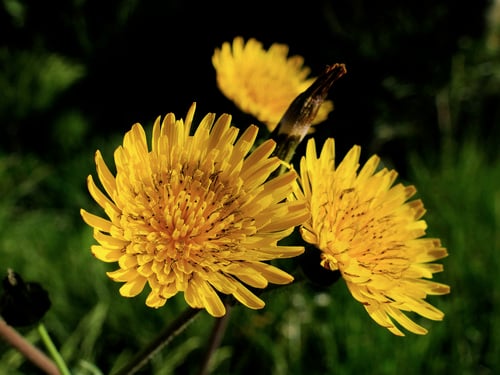
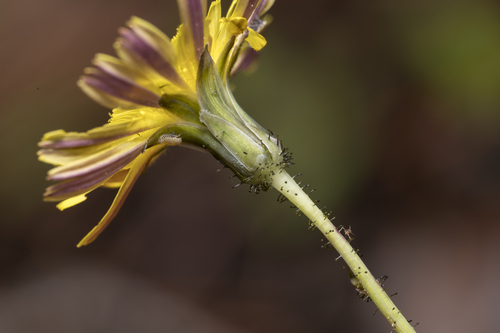
iNaturalist· cc-by-nc
(c) akolter, some rights reserved (CC BY-NC)
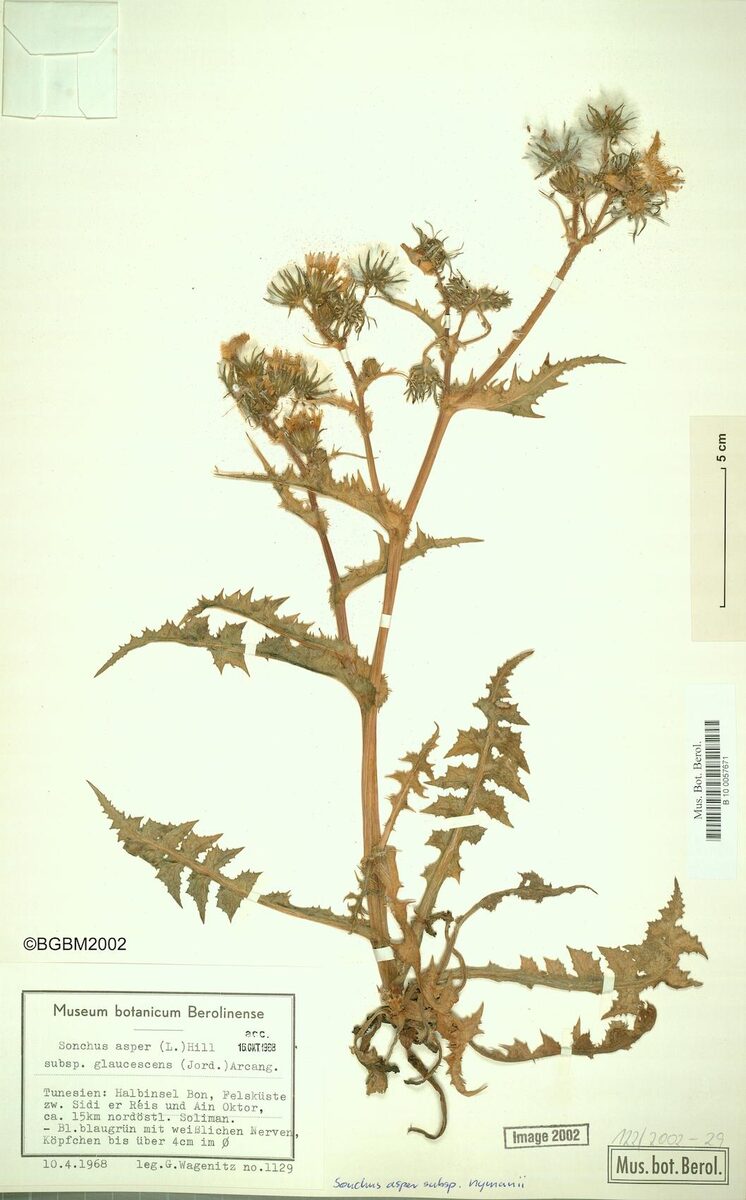
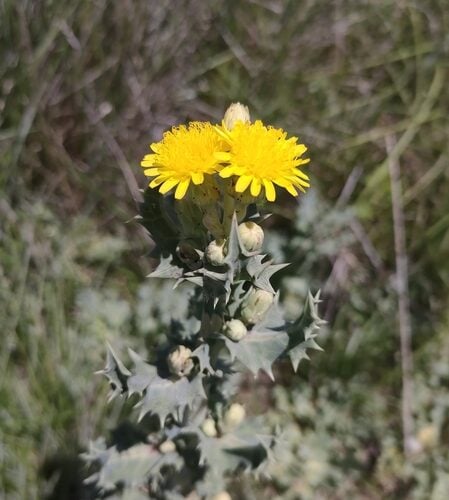
iNaturalist· cc-by-nc
(c) Ethan Beaver, some rights reserved (CC BY-NC), uploaded by Ethan Beaver
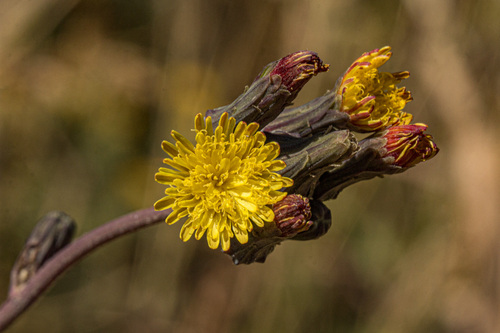
iNaturalist· cc-by-nc
(c) stjernflocka, some rights reserved (CC BY-NC)
Summary
Source: WikipediaCichorium intybus is a fast-growing perennial reaching 1.5 m (5 ft) tall and 0.5 m (1 ft 8 in) wide, hardy to UK zone 3 and not frost tender. It flowers July to October with seeds ripening August to October. The hermaphrodite, self-fertile plant is bee-pollinated and noted for attracting wildlife. It tolerates light sandy, medium loamy, and heavy clay well-drained soils across mildly acidic to very alkaline pH, including very acidic and very alkaline extremes. Full sun is required and moist soil preferred.
Description
A perennial herb up to 1 m high. It forms clumps. It has white, milky sap when parts are broken off. Kinds have been selected either for their fattened edible roots or for their edible leaves. The plant has a large taproot. The leaves are sword shaped and have teeth along the edge. The leaves form a cluster around the base of the plant. They can be 12 cm long. The leaves up the stem clasp the stem. The highest leaves are reduced to bracts. It has a bright blue, pink or white flowers on a branched stem. The flowers are dandelion-like. The flower heads can be 3.5 cm across. Several cultivated varieties have been produced.
Edible Uses
Coffee. Roots, leaves, and flowers are edible and generally safe in quantity. Roots are the best overall food part for bulk and versatility, leaves are a strong bitter green best harvested young or cooked, and flowers are a mild supplemental edible. Leaves - raw or cooked[2, 4, 5, 9, 27, 33, 171]. The leaves are rather bitter, especially when the plants are flowering. The leaves are often blanched by excluding light, either by removing all the leaves and then earthing up the new growth, or by covering the plant with a bucket or something similar. Whilst this greatly reduces any bitterness, there is also a corresponding loss of vitamins and minerals. The blanched leaves are often used in winter salads (they are known as chicons) and are also cooked. The unblanched leaves are much less bitter in winter and make an excellent addition to salads at this time of year. A nutritional analysis of the leaves is available. Flowers - raw. An attractive addition to the salad bowl, but rather bitter. Root - cooked like parsnip[5, 7, 9, 13, 21, 27, 46]. The boiled young roots form a very palatable vegetable. The root is said to be an ideal food for diabetics because of its inulin content. Inulin is a starch that cannot be digested by humans, it tends to pass straight through the digestive system and is therefore unlikely to be of use to a diabetic. However, the inulin can be used to make a sweetener that is suitable for diabetics to use. Chicory-root is free of harmful ingredients, and is essentially a concentrated combination of three sugars (pentose, levulose and dextrose) along with taraxarcine (the bitter principle of dandelion). It is especially important as source of levulose. Roots are used in seasoning soups, sauces and gravies, and to impart a rich deep colour. The roasted root is used as a caffeine-free coffee adulterant or substitute[2, 4, 5, 7, 13, 21, 27, 46]. Young roots have a slightly bitter caramel flavour when roasted, roots over 2 years old are much more bitter. Edible Uses & Rating: Chicory offers three primary edible parts: roots, leaves, and flowers. The roots are the highest-value part because they provide bulk, cook well, and can be used in multiple ways, including as a roasted beverage base. The leaves are a strong, useful green but are often bitter and tough, so they rate as a “good but not always pleasant” vegetable unless harvested very young or prepared thoughtfully. The flowers are edible and mild compared to the leaves, but they are a garnish-scale resource rather than a bulk food. Overall, chicory is an excellent, historically proven wild edible when you can find healthy plant material, with roots being the most consistently rewarding target. Taste, Processing & Kitchen Notes: Chicory roots vary greatly in eating quality depending on age and soil. Raw roots can taste bland to bitter, and older roots often have tougher cores with more stringiness around the outside. Boiling improves the root dramatically: the cooked root becomes more pleasantly starchy, while the broth takes on a rich, savory sweetness that is often better than the root itself. Peeling reduces earthy notes, especially if the root grew in heavy soil or was difficult to clean. Baking brings out a more grain-like character, while roasting or charring transforms the root into the classic chicory “coffee” base. That beverage can be genuinely enjoyable, but it does not duplicate coffee; the most coffee-like result comes from thorough roasting, while lighter roasting produces a toasted grain drink instead. Chicory leaves resemble a tougher, more bitter version of endive. Wild leaves are frequently damaged by insects or leaf diseases, and even young leaves can be blemished, so selection matters. When leaves are in good condition, they are very workable in soups and mixed greens. Bitterness is part of their identity, and while cooking can soften harshness, it will not erase the core chicory character. If you like bitter greens, chicory is a gift; if you do not, it is best used as a smaller portion blended into other greens. Seasonality (Phenology): Chicory produces edible basal leaves early in the growing season and can continue offering leaves for a long stretch, although quality often declines with heat, drought stress, and insect pressure. Flowering typically occurs from late spring into summer, depending on region and moisture. Roots can be harvested across much of the year in temperate climates, but they are often best when the plant is not putting maximum energy into tall flowering stems. In many foraging traditions, roots are preferred in cooler seasons when stored carbohydrates are more concentrated and textures can be better. Safety & Cautions (Food Use): Chicory is generally regarded as safe and is eaten widely in quantity as food. The most practical safety concern for foragers is site contamination rather than plant chemistry, because chicory is so often found along roadsides, sprayed verges, industrial margins, and grazed areas. Harvest only from clean sites, wash thoroughly, and avoid plants from heavily polluted soils. As with many bitter greens and high-fiber roots, very large servings may cause digestive discomfort in sensitive individuals, especially if you are not accustomed to them, but this is a tolerance issue rather than a toxicity warning. Harvest & Processing Workflow: For leaves, target young basal rosette leaves before flowering stems dominate and before insect damage becomes severe. Trim away tough midribs if needed, wash thoroughly, and use fresh in salads in modest proportions or cook as a soup green to soften bitterness. For flowers, harvest fresh blooms during peak flowering and use as garnish or a mild addition to salads. For roots, choose smaller plants when you want easy harvest and cleaner texture, and choose larger roots only when the soil allows efficient digging. Scrub well, peel if earthy notes are strong, then boil for a dependable result, saving the broth because it often captures the best flavor. For chicory “coffee,” slice roots, dry if needed, roast until deeply browned to nearly charred for the most coffee-like profile, then brew as you would a roasted-root infusion. Cultivar/Selection Notes: Wild chicory varies noticeably in hairiness, bitterness, and root shape. Cultivated forms selected as endive-like greens or as root crops can be far more predictable and palatable than many roadside wild plants. In the wild, the best “selection” is simply choosing healthy, minimally damaged plants from clean soils and harvesting at the right stage. Look-Alikes & Confusion Risks: Chicory can be confused with other blue-flowered members of the sunflower family, but the combination of a basal rosette, tall branching stems, and flower heads composed entirely of strap-shaped florets is a strong pointer. Dandelion-like relatives can also resemble chicory in leaf stage, but dandelion has yellow flower heads and typically a single hollow flower stalk, while chicory develops branching stems and blue heads. The safest confirmation is to check the flower structure and color when available, then connect that to the basal rosette and taproot. Traditional / Indigenous Use Summary: Chicory’s strongest historical footprint is in Eurasian food traditions, where it has been eaten as a salad and pot herb and used as a roasted root beverage base during coffee shortages. In North America, it has been adopted for food use largely through cultivation and general wild foraging rather than serving as a dominant Indigenous staple, especially in the Southwest, where it is less common. Its importance is therefore best understood as that of a long-established global food plant that has naturalized across North America.
Traditional Uses
The leaves and plant are eaten raw or cooked. They are bitter. Young leaves are less bitter. They are used in soups. The roots of some kinds are dried, roasted and powdered then added to coffee. The flowers can be used in salads. The large blanched heads are steamed or served raw. A chewing gum is produced from the sap.
Medicinal Uses
Chicory has a long history of herbal use and is particularly valued for its tonic effect on the liver and digestive tract, though it is little used in modern herbalism except as a dietary food. The root and leaves are appetizer, cholagogue, depurative, digestive, diuretic, hypoglycaemic, laxative, and tonic, with the roots being medicinally more active. A decoction of the root has shown benefit in treating jaundice, liver enlargement, gout, and rheumatism, and a decoction of the freshly harvested plant is used for gravel. The root can be used fresh or dried and is best harvested in autumn. Leaves are harvested as the plant comes into flower and can be dried for later use. Root extracts have experimentally produced a slower and weaker heart rate, and the plant merits research for use in heart irregularities. The latex in the stems is applied directly to warts to destroy them. In Bach flower remedies, the plant is used with the keywords 'Possessiveness', 'Self-love', and 'Self-pity'. The German Commission E Monographs approve Cichorium intybus for loss of appetite and dyspepsia.
Known Hazards
Chicory is generally regarded as safe and is widely consumed as food. The most practical safety concern for foragers is site contamination rather than plant chemistry, because chicory is so often found along roadsides, sprayed verges, industrial margins, and grazed areas. Harvest only from clean sites, wash thoroughly, and avoid plants from heavily polluted soils. As with many bitter greens and high-fiber roots, very large servings may cause digestive discomfort in sensitive individuals, especially if you are not accustomed to them, but this is a matter of tolerance rather than toxicity. Excessive and continued use may impair retinal function. Slight potential for sensitization.
Distribution
A Mediterranean plant. It grows in the highlands in the tropics. In Java it grows above 1,000 m altitude. It can grow in arid places. It suits hardiness zones 9-11. Tasmania Herbarium. In Yunnan.
Where It Grows
Afghanistan, Africa, Albania, Algeria, Andorra, Argentina, Armenia, Asia, Australia, Austria, Azores, Balkans, Belarus, Belgium, Bermuda, Bolivia, Bosnia, Brazil, Britain, Bulgaria, Canada, Canary Islands, Caucasus, Central America, Central Asia, Chile, China, Crete, Croatia, Cuba, Cyprus, Czech Republic, Denmark, East Africa, Easter Island, Ecuador, Egypt, Estonia, Eswatini, Ethiopia, Europe, Falklands, Finland, France, Georgia, Germany, Ghana, Greece, Guatemala, Hawaii, Himalayas, Holland, Hungary, India, Indochina, Indonesia, Iran, Iraq, Ireland, Italy, Jordan, Kazakhstan, Kyrgyzstan, Latvia, Lebanon, Libya, Luxembourg, Macedonia, Malaysia, Mediterranean, Mexico, Middle East, Moldova, Mongolia, Montenegro, Morocco, Myanmar, Netherlands, New Zealand, North Africa, North America, Norway, Pacific, Pakistan, Papua New Guinea, PNG, Philippines, Poland, Portugal, Romania, Russia, Saudi Arabia, Scandinavia, SE Asia, Serbia, Sicily, Slovakia, Slovenia, Somalia, South Africa, Southern Africa, South America, Spain, Swaziland, Switzerland, Syria, Taiwan, Tajikistan, Tasmania, Thailand, Tunisia, Turkey, Türkiye, Ukraine, Uruguay, USA, West Africa, West Indies, Yugoslavia, Zimbabwe,
Cultivation
Chicory is one of the most reliable “weed foods” on Earth because it is widespread, historically proven, and genuinely versatile. The roots are the most consistently rewarding part, especially as a soup ingredient or roasted beverage base, while the leaves can be excellent if gathered young and in good condition but can be bitter and tough when mature or stressed. When found in clean habitats, chicory is a high-confidence edible plant that offers real utility rather than novelty. Typical Size: About 30–150 cm tall in flower; basal rosette lower to the ground; perennial from a taproot. Prefers a sunny position in any moderately fertile well-drained moisture retentive soil. Prefers a pH 5.5 to 7. Tolerates a pH in the range 4.5 to 8.3. Chicory grows on any type of soil but, when cultivated, grows best on mellow, deeply tilled, fertile soil or sandy loam.. A cool weather crop, it tolerates only moderate summer temperatures and requires well-distributed rainfall, with good drainage, or some irrigation in drier areas. Chicory roots deeply in relatively short time; soil too wet for beans and small grains is not suitable. To insure proper root-growth, apply lime or marl to acid soil to neutralize acidity. Chicory is reported to tolerate a pH in the range of 4.5 to 8.3, an annual rainfall of 30 to 400 cm and an annual mean biotemperature of 6° to 27°C. Chicory is an excellent winter salad. It is often cultivated, especially in Europe, for its edible leaves and for its roots which are used to make a coffee substitute. There are many named varieties and, by careful selection of cultivars and sowing times, fresh leaves can be obtained all year round. There are three main types of chicory grown for their leaves, there are many cultivars of each form:- A bitter-tasting loose-leafed form is grown as a green winter vegetable, especially in southern Italy. A narrow-leafed, witloof or Belgian form has a compact elongate head (chicon) which is blanched for use in salads or cooked dishes. A broad-leaved (usually red) form produces cabbage-like hearts, these are generally less bitter than the other forms and are eaten raw or cooked. These forms are often used as a winter salad crop. Although a perennial, chicory is usually cultivated as an annual crop, especially when being grown as a winter salad. The winter salad cultivars are usually sown in early summer to make sure that they do not flower in their first year of growth. By late autumn they have formed an overwintering rosette of leaves rather like a cabbage. These leaves can be harvested as required during the winter and the plants will then usually make some new growth (as long as the winter is not too cold) that can be harvested in late winter or early spring. The plants run to flower in the following summer and fail to make an overwintering rosette of leaves for that winter. Chicory can be grown successfully in a meadow or even in a lawn so long as the grass is not cut too short nor too often. It often self-sows freely when well-sited, especially if it is growing in a dry alkaline soil. A good bee plant. A very ornamental plant. The flowers open in the early morning (about 6 - 7 o'clock in Britain) and close around midday. Growing Conditions: Chicory thrives in open sun and well-drained soils and is highly tolerant of disturbance. It commonly colonizes compacted ground, field margins, and road verges, and it tolerates a wide range of soil types from sandy to loamy to rocky. Deep, loose soil tends to produce straighter, more substantial roots, while hard or stony soil often yields smaller, forked roots that can still be useful but are less efficient to harvest and clean. Habitat & Range: Chicory is native to Europe and Asia and has spread widely across North America. It is found in all or nearly all U.S. states, especially along roadsides, pastures, disturbed fields, and open wastelands. In the Southwest, it is present but often patchier and less dependable than in cooler or more consistently moist regions, so finding it may depend on irrigated corridors, higher elevations, or human-modified habitats. Size & Landscape Performance: When flowering, chicory commonly stands 30–150 cm tall, sometimes taller in favorable conditions. As a perennial, it can return year after year from the same root crown, and it often persists where mowing, grazing, or disturbance suppresses less resilient plants. In landscape terms it behaves like a hardy ruderal perennial, not delicate, not shy, and capable of reappearing reliably once established. Cultivation (Horticulture): Chicory is widely cultivated in various forms, including leafy types and root types selected for roasting or vegetable use. In garden settings, cultivation is straightforward: full sun, decent drainage, and enough soil depth for a good root. For edible roots, loose soil and consistent moisture early in growth improve root shape and reduce excessive toughness. For leaves, harvesting young rosette leaves before heavy bitterness develops is the easiest route to better eating quality. Pests & Problems: Leaf quality is the recurring problem for chicory as food. Insects and leaf diseases frequently scar or weaken the leaves, and drought stress can intensify bitterness and toughness. Roots can become woody with age or under harsh growing conditions. In compacted or rocky soils, roots may be forked or difficult to extract, making harvest energy-intensive unless plants are young or soils are moist. Cultivar/Selection Notes: Wild chicory varies noticeably in hairiness, bitterness, and root shape. Cultivated forms selected as endive-like greens or as root crops can be far more predictable and palatable than many roadside wild plants. In the wild, the best “selection” is simply choosing healthy, minimally damaged plants from clean soils and harvesting at the right stage. Pollination: Chicory is pollinated by insects attracted to its conspicuous blue ligulate flower heads. The flowers provide accessible resources to bees and other generalist pollinators, particularly in open, sunny habitats where floral options may be patchy later in the season. Identification & Habit: Chicory is a perennial herb that begins the season as a basal rosette of dandelion-like leaves, then sends up taller flowering stems later in the season. The basal leaves are lance-shaped in outline and tend to be coarsely toothed or deeply cut, while the upper stem leaves become much smaller and reduced. Flower heads are made entirely of strap-shaped florets rather than having a mix of ray and disk florets, which is typical of the chicory tribe within the sunflower family. The flowers are usually a clear, light blue and are borne singly or in small clusters in the upper leaf axils. Stems can be hairy or relatively smooth depending on local form and growing conditions. The plant is anchored by a taproot that can be modest and thin in hard ground or larger and more carrot-like in deeper, looser soils. USDA Hardiness Zones: Approx. Zones 3–9 (very adaptable; behaves as a tough perennial in many climates)
Propagation
Sow the wild form, or cultivars grown for their roots, in May or June in situ. Cultivars grown for edible leaves can be sown in April for a summer crop or in June to July for a winter crop, either in situ or in pots, then planted out as soon as they are large enough.
Other Uses
The roots are rich in inulin, a starch that can be readily converted to alcohol, giving them potential for industrial biomass production. A blue dye can be obtained from the leaves. The flowers are an alternative ingredient in 'QR' herbal compost activator, a dried and powdered herbal mixture added to compost heaps to accelerate bacterial activity and shorten composting time. The plant acts as a dynamic accumulator, drawing minerals and nutrients from the soil and storing them in a more bioavailable form for use as fertiliser or mulch improver. Chicory flowers attract a wide range of pollinating insects and provide nectar and pollen during periods when other roadside wildflowers are limited. The plant also offers some forage value for grazing animals, though its bitterness can limit heavy browsing.
Production
Roasted chicory is made by digging up the taproot washing them cutting and drying the root then roasting.
Other Information
It is a commercially cultivated vegetable. Mainly in the gardens of expatriates within Papua New Guinea. It is also foraged from the wild and supplied to restaurants. It is sold in local markets.
Notes
There are about 9 Cichorium species. Tubers are rich in inulin and sugar.
Nutrition
| Part | Moisture | kJ | kcal | Protein | Vit A | Vit C | Iron | Zinc |
|---|---|---|---|---|---|---|---|---|
| Roots - raw | 80 | 305 | 73 | 1.4 | 1 | 5 | 0.8 | 0.3 |
| Leaves | 92 | 96 | 23 | 1.7 | 4 | 24 | 0.9 | 0.4 |
| Stem/young witloof Leaves raw | 96.2 | 71 | 17 | 0.8 | 3 | 4 | 0.3 | 0.2 |
Synonyms
Also Known As
Achicoria, Achicoria silvestre, Aci ot, Adghorro, Asparagus chicory, Belgian endive, Bouagad, Cakankam Camarroja, Catalonia, C'corji, Cekanka obecna, Chicorias, Chicoree, Chi-ko-ri, Cicoria selvatica, Cicoria, Cicuriedde, Cigorini, Cikorija, Cizdankus, Craver, Cykoria the traveller, Egherd, Escarola borda, Found kash, Han, Hindlauf, Hindiba, Hinidibag, Indivia, Jangli hand, Kasani, Kashini, Kasini, Kasni, Katang, Keklik otu, Khap'arai, Koffiecichorei, Mavihindiba, Navadni potrošnik, Pikroradiko, Posh hand, Puntarelle, Radic, Radicchio di campo, Radicchio, Radiki, Sakizotu, Shamakay, Shamokeo, Sicoria, Sicorio, Sickouria, Sigur, Solltlangech, Succory, Talisk, Tchartchatuk, Tsikorii, Tuhovnik, Vad cikoria, Vodopija, Witloof, Xiaokucai, Xicoira, Yabani hindiba, Zichorie, Zicorio, Zucenica, Zutanca, Zutanica
References (162)
- Abbasi, A. M., Khan, M & Zafar, M., 2013, Ethno-medicinal assessment of some selected wild edible fruits and vegetables of Lesser-Himalayas, Pakistan. Pak. J. Bot. 45 (SI):215-222
- Abbet, C., et al, 2014, Ethnobotanical survey on wild alpine food plants in Lower and Central Valais (Switzerland). Journal of Ethnopharmacology 151 (2014) 624–634
- Ahmad, K., et al, 2018, Ethnobotanical investigation of wild vegetables used among local communities in northwest Pakistan. Acta Soc Bot Pol. 2019;88(1):3616.
- Aipeisova S.A., et al, 2019, Wild useful herbs of Aktobe Region (Western Kazakhstan). Ukrainian Journal of Ecology, 9(3), 329-331
- Ambasta, S.P. (Ed.), 2000, The Useful Plants of India. CSIR India. p 124
Show all 162 references Hide references
- Arora, R. K., 2014, Diversity in Underutilized Plant Species - An Asia-Pacific Perspective. Bioversity International. p 101
- Balut, G., 2016, Medicinal and wild food plants of Marmara Island (Balikesir - Turkey). Acta Societatis Botanicorum Poloniae 85 (2): 3501
- Batal, M. & Hunter, E., 2007, Traditional Lebanese recipes based on wild plants: An answer to diet simplification? Food and Nutrition Bulletin, vol. 28, no. 2 (supplement) © 2007, The United Nations University.
- Ben Ismail, H., 2013, Edible Wild Vegetables Used in North West of Tunisia. PARIPEX - Indian Journal of Reearch 2(9) :219-221
- Benvenuti, S. & Mazzoncini, M., 2021, The Biodiversity of Edible Flowers: Discovering New Tastes and New Health Benefits. Frontiers in Plant Science Article 569499.
- Bianchini, F., Corbetta, F., and Pistoia, M., 1975, Fruits of the Earth. Cassell. p 42
- Biscotti, N. & Pieroni, A., 2015, The hidden Mediterranean diet: wild vegetables traditionally gathered and consumed in the Gargano area, Apulia, SE Italy. Acta Societatis Botanicorum Poloniae 84 (3): 327-338
- Biscotti, N. et al, 2018, The traditional food use of wild vegetables in Apulia (Italy) in the light of Italian ethnobotanical literature. Italian Botanist 5:1-24
- Blamey, M and Grey-Wilson, C., 2005, Wild flowers of the Mediterranean. A & C Black London. p 459
- Blanco-Salas, J., et al, 2019, Wild Plants Potentially Used in Human Food in the Protected Area “Sierra Grande de Hornachos” of Extremadura (Spain). Sustainability 2019, 11, 456
- Bodkin, F., 1991, Encyclopedia Botanica. Cornstalk publishing, p 257
- Bonet, M. A. & Valles, J., 2002, Use of non-crop food vascular plants in Montseny biosphere reserve (Catalonia, Iberian Peninsula). International Journal of Food Sciences and Nutrition (2002) 53, 225–248
- Bremness, L., 1994, Herbs. Collins Eyewitness Handbooks. Harper Collins. p 241
- Brickell, C. (Ed.), 1999, The Royal Horticultural Society A-Z Encyclopedia of Garden Plants. Convent Garden Books. p 268
- Brouk, B., 1975, Plants Consumed by Man. Academic Press, London. p 102, 347
- Brown, D., 2002, The Royal Horticultural Society encyclopedia of Herbs and their uses. DK Books. p 168
- Burkill, I.H., 1966, A Dictionary of the Economic Products of the Malay Peninsula. Ministry of Agriculture and Cooperatives, Kuala Lumpur, Malaysia. Vol 1 (A-H) p 544
- Burnie, G & Fenton-Smith, J., 1999, A Grower's Guide to Herbs. Murdoch Books. p 23
- Bussman, R. W., et al, 2021, Unity in diversity—food plants and fungi of Sakartvelo (Republic of Georgia), Caucasus. Journal of Ethnobiology and Ethnomedicine (2021) 17:72 p 6
- Cakir, E. A., 2017, Traditional knowledge of wild edible plants of Iğdır Province (East Anatolia, Turkey). Acta Soc Bot Pol. 2017;86(4):3568.
- Cerne, M., 1992, Wild Plants from Slovenia used as Vegetables. Acta Horticulturae 318
- Cheifetz, A., (ed), 1999, 500 popular vegetables, herbs, fruits and nuts for Australian Gardeners. Random House p
- Ciocarlan, N. & Ghendov, V., 2015, Ethnobotanical and Ecological Studies of Wild Edible Plants from Bugeac Steppe, Republic of Moldova. Journal of EcoAgriTourism. Cailta terra Vol. 11(2):
- Cordero, S. E., Abello, L. A., & Galvez, F. L., 2017, Plantas silvestres comestibles y medicinales de Chile y otras partes del mundo. CORMA p 160
- Crawford, M., 2012, How to grow Perennial Vegetables. Green Books. p 86
- Cribb, A.B. & J.W., 1976, Wild Food in Australia, Fontana. p 118, 178
- Cundall, P., (ed.), 2004, Gardening Australia: flora: the gardener's bible. ABC Books. p 378
- Curtis, W.M., 1963, The Students Flora of Tasmania Vol 2 p 380
- Dalar, A., et al, 2016, Health attributes of ethnic vegetables consumed in the Eastern Anatolia region of Turkey: Antioxidant and enzyme-inhibitory properties. Journal of Ethnic Foods. 3 (2016) 142-149
- Dashorst, G.R.M., and Jessop, J.P., 1998, Plants of the Adelaide Plains & Hills. Botanic Gardens of Adelaide and State Herbarium. p 154
- Della, A., et al, 2006, An ethnobotanical survey of wild edible plants of Paphos and Larnaca countryside of Cyprus. J. Ethnobiol. Ethnomed. 2:34
- Denes, A., et al, 2012, Wild plants used for food by Hungarian ethnic groups living in the Carpathian Basin. Acta Societatis Botanicorum Poloniae 81 (4): 381-396
- de Polle, E., Plantas Silvestres Comestible de Guatemala. 1(1) Universidad de San Carlos de Guatemala.
- Diaz-Betancourt, M., et al, 1999, Weeds as a future source for human consumption. Rev. Biol. Trop. 47(3):329-338
- Dogan, Y., et al, 2004, The Use of Wild Edible Plants in Western and Central Anatolia (Turkey). Economic Botany 58(4) pp. 684-690
- Dogan, Y., 2012, Traditionally used wild edible greens in the Aegean Region of Turkey. Acta Societatis Botanicorum Poloniae 81(4): 329-342
- Dogan, A. & Tuzlaci, E., 2015, Wild Edible Plants of Pertek (Tunceli-Turkey). Marmara Pharmaceutical Journal 19: 126-135
- Dolina, K. & Luczaj, L., 2014, Wild food plants used on the Dubrovnik coast (south-eastern Croatia) Acta Soc Bot Pol 83(3):175–181
- Dretakis, M. et al, 2012, Flora and Fauna Biodiversity in an ancient olive grove in Crete (Greece) in Calabrese G. (Ed.) Study on Biodiversity in Century-Old Olive Groves. CIHEAM - Mediterranean Agronomic Institute of Bari. p 94
- Duke, J.A., 1992, Handbook of Edible Weeds. CRC Press. p 72
- Elias, T.S. & Dykeman P.A., 1990, Edible Wild Plants. A North American Field guide. Sterling, New York p 115
- Ertug, F., 2000, An Ethnobotanical Study in Central Anatolia (Turkey). Economic Botany Vol. 54. No. 2. pp. 155-182
- Ertug, F, Yenen Bitkiler. Resimli Türkiye Florası -I- Flora of Turkey - Ethnobotany supplement
- Esperanca, M. J., 1988. Surviving in the wild. A glance at the wild plants and their uses. Vol. 1. p 219
- Facciola, S., 1998, Cornucopia 2: a Source Book of Edible Plants. Kampong Publications, p 36
- French, B.R., 1986, Food Plants of Papua New Guinea, A Compendium. Asia Pacific Science Foundation p 154
- Geng, Y., et al, 2016, Traditional knowledge and its transmission of wild edibles used by the Naxi in Baidi Village, northwest Yunnan province. Journal of Ethnobiology and Ethnomedicine. 12:10
- Geraci, A., et al, 2018, The wild taxa utilized as vegetables in Sicily (Italy): a traditional component of the Mediterranean diet. Journal of Ethnobiology and Ethnomedicine (2018) 14:14
- Gouldstone, S., 1983, Growing your own Food-bearing Plants in Australia. Macmillan p 166
- Grubben, G. J. H. and Denton, O. A. (eds), 2004, Plant Resources of Tropical Africa 2. Vegetables. PROTA, Wageningen, Netherlands. p 560
- Hadfield, J., 2001, The A-Z of Vegetable Gardening in South Africa. Struik p 104
- Hadjichambis, A. C., et al, 2007, Wild and semi-domesticated food plant consumption in seven circum-Mediterranean areas. International Journal of Food Sciences and Nutrition. 2007, 1-32.
- Hancer, C. K., et al, 2020, Traditional Knowledge of Wild Edible Plants of Biga (Çanakkale), Turkey. Acta Societatis Botanicorum Poloniae / 2020 / Volume 89 / Issue 1 / Article 8914
- Hedrick, U.P., 1919, (Ed.), Sturtevant's edible plants of the world. p 191
- Hemphill, I, 2002, Spice Notes. Macmillan. p 115
- Heywood, V.H., Brummitt, R.K., Culham, A., and Seberg, O. 2007, Flowering Plant Families of the World. Royal Botanical Gardens, Kew. p 47
- Hibbert, M., 2002, The Aussie Plant Finder 2002, Florilegium. p 67
- http://nordicfood lab/org/blog/2102/9/wild-edible-plants-an-overview
- Hussey, B.M.J., Keighery, G.J., Cousens, R.D., Dodd, J., Lloyd, S.G., 1997, Western Weeds. A guide to the weeds of Western Australia. Plant Protection Society of Western Australia. p 94
- Hu, Shiu-ying, 2005, Food Plants of China. The Chinese University Press. p 725
- Irving, M., 2009, The Forager Handbook, A Guide to the Edible Plants of Britain. Ebury Press p 145
- Jackes, D. A., Edible Forest Gardens
- Jardin, C., 1970, List of Foods Used In Africa, FAO Nutrition Information Document Series No 2.p 67
- Jeambey, Z., et al, 2009, Perceived health and medicinal properties of six species of wild edible plants in north-east Lebanon. Public Health Nutrition: 12(10), 1902-1911
- Jia, X., et al, 2022, Ethnobotany of wild edible plants in multiethnic areas of the Gansu–Ningxia–Inner Mongolia junction zone. Journal of Ethnobiology and Ethnomedicine 18:53
- Khan, A. H., et al, 2023, Traditional foraging for ecological transition? Wild food ethnobotany among three ethnic groups in the highlands of the eastern Hindukush, North Pakistan. Journal of Ethnobiology and Ethnomedicine 19:9
- Kalle, R. & Soukand, R., 2012, Historical ethnobotanical review of wild edible plants of Estonia (1770s-1960s) Acta Societatis Botanicorum Poloniae 81(4):271-281
- Kays, S. J., and Dias, J. C. S., 1995, Common Names of Commercially Cultivated Vegetables of the World in 15 languages. Economic Botany, Vol. 49, No. 2, pp. 115-152
- Kiple, K.F. & Ornelas, K.C., (eds), 2000, The Cambridge World History of Food. CUP p 1753, 1840
- Kizilarslan, C. & Ozhatay, N., 2012, An ethnobotanical study of the useful and edible plants of İzmit. Marmara Pharmaceutical Journal 16: 134-140, 2012.
- Kolosova, V., et al, 2020, Foraging in Boreal Forest: Wild Food Plants of the Republic of Karelia, NW Russia. Foods 2020, 9, 1015; p 8
- Kybal, J., 1980, Herbs and Spices, A Hamlyn Colour Guide, Hamlyn Sydney p 72
- Ladio, A., Lozada, M. & M. Weigandt, 2007, Comparison of traditional wild plant knowledge between aboriginal communities inhabiting arid and forest environments in Patagonia, Argentina. Journal of Arid Environments 69 (2007) 695–715
- Lamp, C & Collet F., 1989, Field Guide to Weeds in Australia. Inkata Press. p 76
- Lazarides, M. & Hince, B., 1993, Handbook of Economic Plants of Australia, CSIRO. p 60
- Licata, M., et al, 2016, A survey of wild plant species for food use in Sicily (Italy) – results of a 3-year study in four Regional Parks. Journal of Ethnobiology and Ethnomedicine 12:12
- Lim, T. K., 2015, Edible Medicinal and Non Medicinal Plants. Volume 9, Modified Stems, Roots, Bulbs. Springer p 24
- Long, C., 2005, Swaziland's Flora - siSwati names and Uses http://www.sntc.org.sz/flora/
- Low, T., 1991, Wild Herbs of Australia and New Zealand. Angus & Robertson. p 30
- Low, T., 1992, Bush Tucker. Australia’s Wild Food Harvest. Angus & Robertson. p 26
- Luczaj, L., 2012, Ethnobotanical review of wild edible plants of Slovakia. Acta Societatis Botanicorum Poloniae 81(4):245-255
- Luczaj, L. et al, 2012, Wild food plant use in 21st century Europe: the disappearance of old traditions and the search for new cuisines involving wild edibles. Acta Soc Bot Pol 81(4):359–370
- Luczaj et al, 2013, Wild vegetable mixes sold in the markets of Dalmatia (southern Croatia). Journal of Ethnobiology and Ethnomedicine. 8:2
- Luczaj, L. et al, 2013, Wild food plants used in the villages of the Lake Vrana Nature Park (northern Dalmatia, Croatia). Acta Societatis Botanicorum Poloniae, 82(4): 275-281
- Luczaj, L. et al, 2014, Wild Food Plants of Dalmatia (Croatia). in A. Pieroni, C. L. Quave (eds.), Ethnobotany and Biocultural Diversities in the Balkans, p 138
- Lukasz, L., 2016, Wild Edible Plants Traditionally Used in Poland.
- Mabey, R., 1973, Food for Free. A Guide to the edible wild plants of Britain, Collins. p 71, 84
- MacKinnon, A., et al, 2009, Edible & Medicinal Plants of Canada. Lone Pine. p 330
- Mahklouf, M. H., 2019, Ethnobotanical Study of Edible Wild Plants in Libya. European Journal of Ecology. 5(2): 30-40
- Martin, F.W. & Ruberte, R.M., 1979, Edible Leaves of the Tropics. Antillian College Press, Mayaguez, Puerto Rico. p 117, 184
- Mattalia, G., et al, 2012, Traditional uses of wild food and medicinal plants among Brigasc, Kye ́, and Provenc ̧al communities on the Western Italian Alps. Genet Resour Crop Evol. Springer
- Miguel, E., et al, 1989, A checklist of the cultivated plants of Cuba. Kulturpflanze 37. 1989, 211-357
- Mir, M. Y., 2014, Documentation and ethnobotanical survey of wild edible plants used by the tribals of Kupwara, J & K, India. International Journal of Herbal Medicine. 2(4): 11-18
- Mirdeilami, S. Z., et al, 2011, Ethnopharmacological survey of medicinal plants in Maraveh Tappeh region, north of Iran. Iranian Journal of Plant Physiology 2(1): 327‐338
- Miskoska-Milevska, E. et al, 2020, Traditional uses of wild edible plants in the Republic of North Macedonia. PHYTOLOGIA BALCANICA 26(1): 155–162, Sofia, 2020 p 158
- Molina, M. et al, 2014, Weeds and Food Diversity: Natural Yield Assessment and Future Alternatives for Traditionally Consumed Wild Vegetables. Journal of Ethnobiology 34(1): 44–67
- Morley, B. & Everard, B., 1970, Wild Flowers of the World. Ebury press. Plate 22
- Nanagulyan, S., et al, 2020, Wild plants and fungi sold in the markets of Yerevan (Armenia). Journal of Ethnobiology and Ethnomedicine 16:26
- Nassif, F., & Tanji, A., 2013, Gathered food plants in Morocco: The long forgotten species in Ethnobotanical Research. Life Science Leaflets 3:17-54
- Nebel, S., Pieroni, A. & Heinrich, M., 2006, Ta cho`rta: Wild edible greens used in the Graecanic area in Calabria, Southern Italy. Appetite 47 (2006) 333–342
- Nimis, P. L., et al, 2015, A guide to the vascular plants of the temporary ponds of Sardinia (Italy) p 123
- Ochse, J.J. et al, 1931, Vegetables of the Dutch East Indies. Asher reprint. p 125
- Ozbucak, T. B., et al, 2007, Nutrition Content of Some Wild Edible Plants in the Central Black Sea Region of Turkey. International Journal of Natural and Engineering Sciences 1:11-13
- Paczkowska, G. & Chapman, A.R., 2000, The Western Australian Flora. A Descriptive Catalogue. Western Australian Herbarium. p 159
- PARMENTIER (As Cichorium sylvestre)
- Pasta, S., et al, 2020, An Updated Checklist of the Sicilian Native Edible Plants: Preserving the Traditional Ecological Knowledge of Century-Old Agro-Pastoral Landscapes. Frontiers in Plant Science. Volume 11|Article 388
- Pieroni, A., 1999, Gathered wild food plants in the Upper Valley of the Serchio River (Garfagnana), Central Italy. Economic Botany 53(3) pp 327-341
- Pieroni, A., 2001, Evaluation of the Cultural Significance of Wild Food Botanicals traditionally Consumed in Northwestern Tuscany, Italy, Journal of Ethnobiology 21(1):89-104
- Pieroni, A., et al, 2005, Food for two seasons: Culinary uses of non-cultivated local vegetables and mushrooms in a south Italian village. International Journal of Food Sciences and Nutrition, 56(4): 245-272
- Pieroni, A., et al, 2012, "We are Italians!": The Hybrid Ethnobotany of a Venetian Diaspora in Eastern Romania. Human Ecology 40:435-451
- Pieroni, A. & Soukand, R., 2018, Forest as Stronghold of Local Ecological Practice: Currently Used Wild Food Plants in Polesia, Northern Ukraine. Economic Botany, XX(X) pp. 1-21
- Plants for a Future database, The Field, Penpol, Lostwithiel, Cornwall, PL22 0NG, UK. http://www.scs.leeds.ac.uk/pfaf/
- Prakofjewa, J., et al, 2023, Boundaries Are Blurred: Wild Food Plant Knowledge Circulation across the Polish-Lithuanian-Belarusian Borderland. Biology 2023, 12, 571.
- Pruse, B., et al, 2021, Active Wild Food Practices among Culturally Diverse Groups in the 21st Century across Latgale, Latvia. Biology 2021, 10, 551.
- Purseglove, J.W., 1968, Tropical Crops Dicotyledons, Longmans. p 53
- Redzic, S. J., 2006, Wild Edible Plants and their Traditional Use in the Human Nutrition in Bosnia-Herzegovina. Ecology of Food and Nutrition, 45:189-232
- Redzic, S., 2010, Use of Wild and Semi-Wild Edible Plants in Nutrition and Survival of People in 1430 Days of Siege of Sarajevo during the War in Bosnia and Herzegovina (1992–1995). Coll. Antropol 34 (2010) 2:551-570
- Rivera, C., et al, 2005, The Ethnobotanical Study of Local Mediterranean Food Plants as Medicinal Resources in Southern Spain. Journal of Physiologyand Pharmacology. 56, Suppl. 1, 97-114
- Royal Botanic Gardens, Kew (1999). Survey of Economic Plants for Arid and Semi-Arid Lands (SEPASAL) database. Published on the Internet; http://www.rbgkew.org.uk/ceb/sepasal/internet [Accessed 11th April 2011]
- Ruiters-Welcome, A. K., 2019, Food plants of southern Africa. Ph.D. thesis. Univ. of Johannesburg p 33
- Sanchez-Mata, M. C., et al, 2010, Wild vegetables of the Mediterranean area as valuable sources of bioactive compounds. Genet. Resourc. Crop Evol. 59:431-443
- Sansanelli, S., et al, 2014, Wild food plants traditionall consumed in the area of Bologna (Emilia Romagna region, Italy). Journal of Ethnobiology and Ethnomedicine 10:69
- Sansanelli, S., et al, 2017, Ethnobotanical survey of wild food plants traditionally collected and consumed in the Middle Agri Valley (Basilicata region, southern Italy). Journal of Ethnobiology and Ethnomedicine (2017) 13:50
- Schneider, E., 2001, Vegetables from Amaranth to Zucchini: The essential reference. HarperCollins. p 85, 246, 517
- Senkardes, I & Tuzlaci, E., 2016, Wild Edible Plants of Southern Part of Nevsehir inTurkey. Marmara Pharmaceutical Journal 20:34-43
- Sher, H. et al, 2011, Ethnobotanical and Economic Observations of Some Plant Resources from the Northern Parts of Pakistan. Ethnobotany research & Applications 9:027-041
- Siminiuc, R. & Turcanu, D., 2021, Study of Edible Spontaneous Herbs in the Republic of Moldova for Ensuring a Sustainable Food System. Food and Nutrition Sciences, 2021, 12, 703-718 p 709
- Simkova, K. et al, 2014, Ethnobotanical review of wild edible plants used in the Czech Republic. Journal of Applied Botany and Food Quality 88, 49-67
- Singh, H.B., Arora R.K.,1978, Wild edible Plants of India. Indian Council of Agricultural Research, New Delhi. p 21
- Skinner, G. & Brown, 1981, C., Simply Living. A gatherer's guide to New Zealand's fields, forests and shores. Reed. p 7
- Smith, K., 1998. Growing Uncommon Fruits and Vegetables. New Holland. p 114, 116, 132
- Smith, P.M., 1979, Chicory, in Simmonds, N.W., (ed), Crop Plant Evolution. Longmans. London. p 304
- Sp. pl. 2:813. 1753
- Stanley, T. D. & Ross, E. M., 1986, Flora of south-eastern Queensland Volume 2. Queensland Government p 574
- Staples, G.W. and Herbst, D.R., 2005, A tropical Garden Flora. Bishop Museum Press, Honolulu, Hawaii. p 156
- Stern, G., 1986, Australian Weeds. A Source of Food and Medicine. Harper & Row. p 47
- Tardio, J., et al, 2006, Ethnobotanical review of wild edible plants in Spain. Botanical J. Linnean Soc. 152, 27-71
- Tasmanian Herbarium Vascular Plants list p 6
- Torre, de la L., et al, 2008, Enciclopedia de las Plantas Útiles del Ecuador. Herbario QCA. Pontificia Universidad Católica del Ecuador. p 219
- Tozer, F., 2007, The Uses of Wild Plants. Green Man Publishing. p 67
- Tronickova, E. & Krejcova, Z., 1987, Ortaggi, Instituto Geografico de Agostini, Cecoslovacchia. p 78
- Turner, N. J. et al, 2011, Edible and Tended Wild Plants, Traditional Ecological Knowledge and Agroecology. Critical Reviews in Plant Sciences, 30:198-225
- Ulian, T., et al, 2020, Unlocking plant resources to support food security and promote sustainable agriculture. Plants, People, Planet. 2020;2:421–445.
- Upson, R., & Lewis R., 2014, Updated Vascular Plant Checklist and Atlas for the Falkland Islands. Falklands Conservation and Kew.
- Urgamal, M., Oyuntsetseg, B., Nyambayar, D. & Dulamsuren, Ch. 2014. Conspectus of the vascular plants of Mongolia. (Editors: Sanchir, Ch. & Jamsran, Ts.). Ulaanbaatar, Mongolia. “Admon“ Press. 334pp. (p. 199-230).
- USDA, ARS, National Genetic Resources Program. Germplasm Resources Information Network - (GRIN). [Online Database] National Germplasm Resources Laboratory, Beltsville, Maryland. Available: www.ars-grin.gov/cgi-bin/npgs/html/econ.pl (10 April 2000)
- van Wyk, B., 2005, Food Plants of the World. An illustrated guide. Timber press. p 134
- van Wyk, Be., & Gericke, N., 2007, People's plants. A Guide to Useful Plants of Southern Africa. Briza. p 102
- Vorstenbosch, T., et al, 2017, Famine food of vegetal origin consumed in the Netherlands during World War II. Journal of Ethnobiology and Ethnomedicine (2017) 13:63
- Welcome, A. K. & Van Wyk, B.-E., 2019, An inventory and analysis of the food plants of southern Africa. South African Journal of Botany 122 (2019) 136–179
- Wiersema, J. H. & Leon, B., 2013, World Economic Plants. A Standard Reference CRC Press. 2nd Ed. p 174
- Wild Edible Plants in Lebanon. Promoting dietary diversity in poor communities in Lebanon. http://www.wildedibleplants.org/
- Wild edible plants of Himachal Pradesh
- World Checklist of Useful Plant Species 2020. Royal Botanic Gardens, Kew
- www.chileflora.com
- www.ediblewildfood.com
- Zizka, G., 1991, Flowering Plants of Easter Island. Palmarum Hortus Francofurtensis