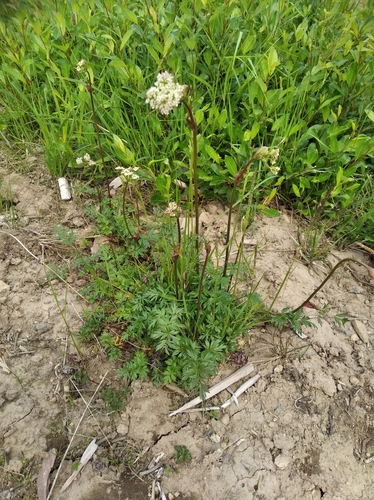
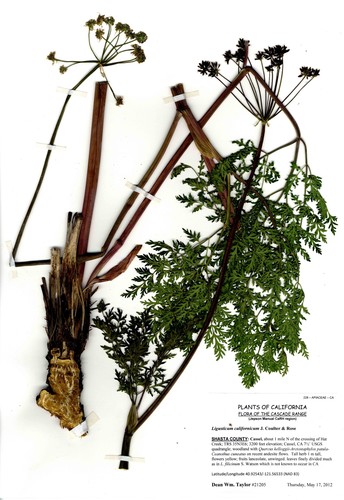
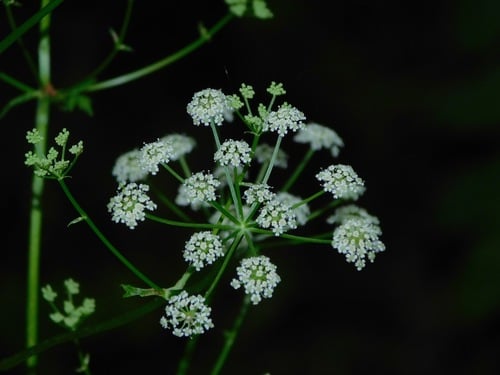
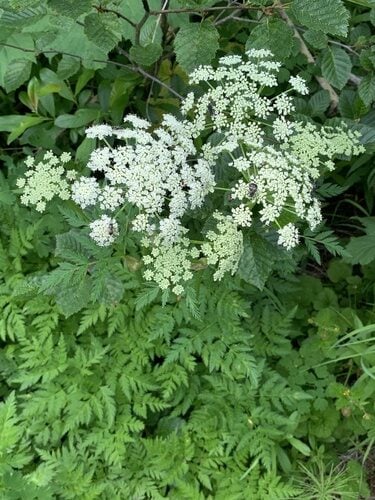
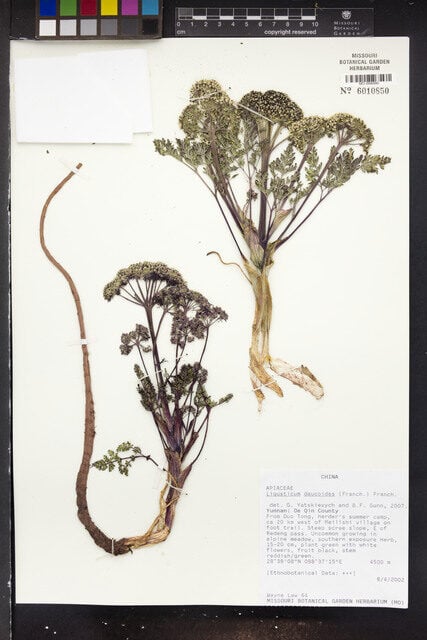
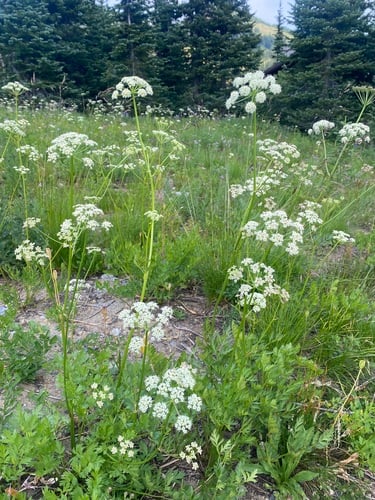
Eryngium aquaticum var. floridanum
(J. M. Coult. & Rose) Mathias & Constance
Florida eryngo, Sea holly
gbif· cc0
Timothy Diamond
gbif· cc-by-nc
University of North Carolina at Chapel Hill Herbarium: Vascular Plants (NCU-Vascular Plants)
gbif· cc-by-nc
University of North Carolina at Chapel Hill Herbarium: Vascular Plants (NCU-Vascular Plants)
Summary
Source: WikipediaEryngium aquaticum is a species of flowering plant in the family Apiaceae known by the common name rattlesnakemaster, marsh rattlesnake master, corn-snakeroot, bitter snakeroot, and marsh eryngo. This plant is native to eastern North America. This biennial or perennial herb grows up to 2 meters (6 ft 7 in) tall. The ribbed, erect stem branches toward the top. There are alternately arranged leaves which are lance-shaped and toothed on the edges. The basal leaves may be up to 90 centimeters (35 in) long by 9 cm (3.5 in) wide. The inflorescence contains white to blue flower heads with spiny, blue-tinged bracts. In the wild this plant grows in wet soils, such as those by bogs, marshes, and ditches. It tolerates saturated soils and periodic flooding. This plant had a number of medicinal uses for Native American groups. The Cherokee people used it for nausea. The Choctaw people used it as a remedy for snakebite and gonorrhea, and the Delaware people used it for intestinal worms. Many groups made it into tea to treat gastrointestinal complaints. The Koasati attributed magical powers to the plant. This plant is used in flower arranging and as an ornamental garden plant. However, most plants sold under the name E. aquaticum are actually specimens of Eryngium yuccifolium.
Description
A tropical herb in the Apiaceae family, one of approximately 230 Eryngium species.
This description is brief — help expand it
Edible Uses
The leaves are brewed as tea.
Traditional Uses
The leaves are used for tea.
This uses section is brief — help expand it
Distribution
A tropical plant.
Where It Grows
Central America, North America, USA,
Notes
There are 230 Eryngium species.
Synonyms
Also Known As
Acapatate
References (3)
- Kermath, B. M., et al, 2014, Food Plants in the Americas: A survey of the domesticated, cultivated and wild plants used for Human food in North, Central and South America and the Caribbean. On line draft. p 341
- Martin, F.W. & Ruberte, R.M., 1979, Edible Leaves of the Tropics. Antillian College Press, Mayaguez, Puerto Rico. p 222
- Terra, G.J.A., 1973, Tropical Vegetables. Communication 54e Royal Tropical Institute, Amsterdam, p 45