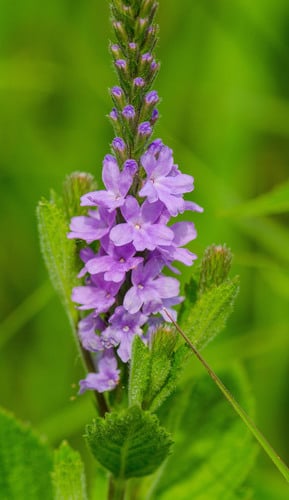
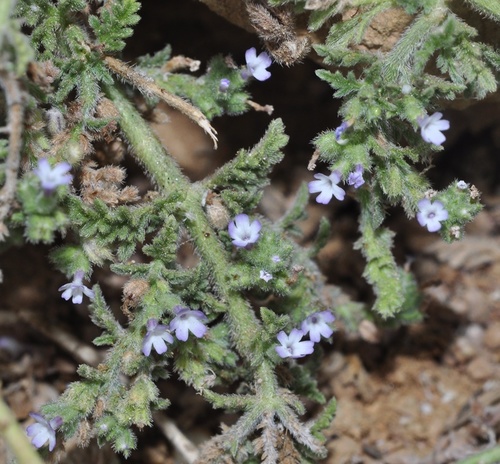
Aloysia wrightii - (A. Gray) A. Heller
(A. Gray) A. Heller
Oreganillo, Sonoran Beebrush
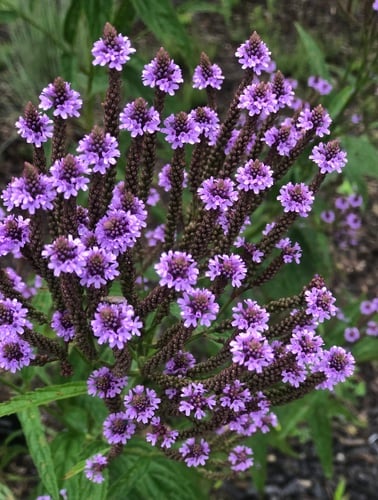
gbif· cc-by-nc
Dalton Carper
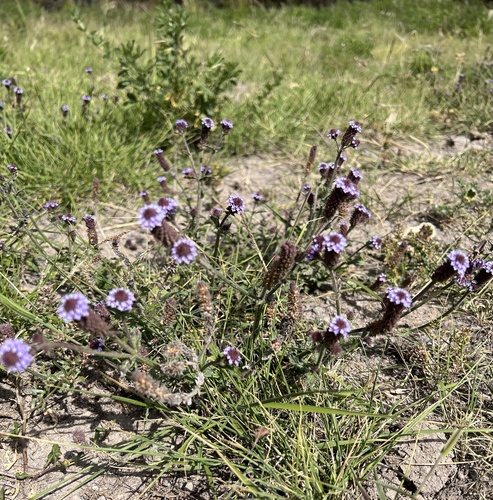
gbif· cc-by-nc
Dalton Carper
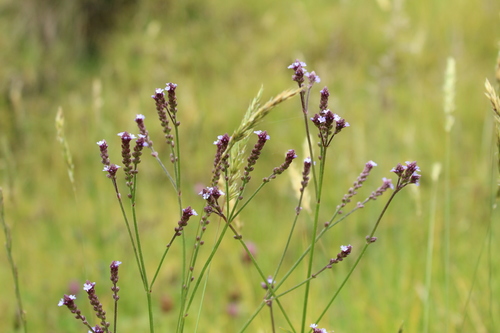
gbif· cc-by-nc
T.L.Knight
Description
Aloysia wrightii is an evergreen Shrub growing to 3 m (9ft) by 3 m (9ft) at a medium rate. See above for USDA hardiness. It is hardy to UK zone 9 and is not frost tender. The flowers are pollinated by Bees, Insects. It is noted for attracting wildlife. Suitable for: light (sandy) and medium (loamy) soils, prefers well-drained soil and can grow in nutritionally poor soil. Suitable pH: mildly acid, neutral and basic (mildly alkaline) soils and can grow in very alkaline soils. It cannot grow in the shade. It prefers dry or moist soil and can tolerate drought.
Edible Uses
The leaves and flowers can be steeped to make an excellent tea. The flavor is fruity and lemon-like with an herbal overtone. The tea is bright green in color and aromatic, though bitterness may develop if too many leaves are used. Leaves and flowers can also be used as flavorings in desserts, beverages, or combined with fruit for seasoning. The seeds are technically edible, but they have an unpleasant flavor and are not recommended. Raw or toasted seeds taste resinous, tar-like, and unpalatable. Boiling improves them slightly, but they remain unsuitable for consumption. Seeds are brown, easy to collect, and available in late autumn, but their lack of palatability makes them of no real food value. Other parts of the shrub are inedible..
Distribution
Native to the Sonoran Desert and surrounding areas (Arizona, New Mexico, northern Mexico).
Where It Grows
Arizona, California, Mexico Northeast, Mexico Northwest, New Mexico, Texas, Utah
Cultivation
It is a shrub and grows primarily in the desert or dry shrubland biome. Growing Conditions: Sun: Requires full sun for best growth and flowering. Soil: Thrives in well-drained sandy, gravelly, or rocky soils. Tolerates calcareous or alkaline conditions. Water: Very drought-tolerant once established. Occasional deep watering during drought will encourage flowering. Avoid waterlogged soils. Habitat: Naturally found in desert canyons, rocky slopes, washes, and dry foothills, often blooming after monsoon rains. Wildlife: Excellent nectar plant for bees and butterflies, and often planted in xeriscapes. Hardiness: Best suited for USDA zones 8–10. Tolerates brief frosts but is damaged by prolonged freezing below about -9 °C (15 °F). In colder zones it may die back to the ground, sometimes resprouting in spring if roots survive. Growth Rate: Moderate growth rate. In warm desert conditions with good sun, plants can put on about 30–60 cm (1–2 ft) of growth per year. It can reach 2–3 m (6–10 ft) in height over several years. Responds with a flush of new growth and flowering after seasonal rains. Aloysia wrightii has low weed potential. It does not aggressively spread outside its range and is not listed in invasive plant databases. Tends to stay localized in desert washes, slopes, and dry foothills.
Propagation
Seed.
Other Uses
Wildlife: Excellent nectar plant for bees and butterflies, and often planted in xeriscapes.
Synonyms
Also Known As
Oreganillo, Sonoran beebrush, Wright’s aloysia, mintbush lippa, or highmass (Aloysia wrightii (A. Gray) A. Heller = Lippa wrightii A. Gray).