Verbena stricta
Vent.
Hoary verbena
iNaturalist· cc-by-nc-sa
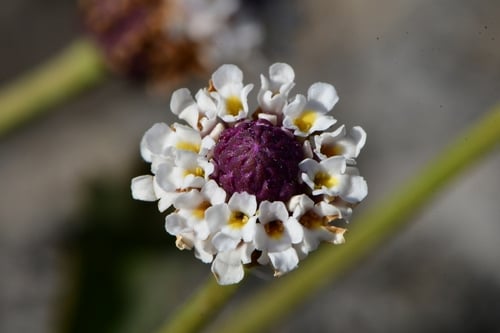
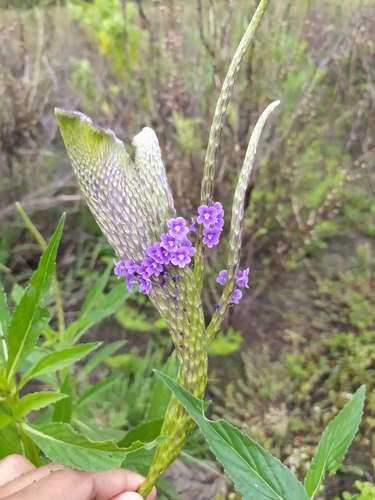
(c) thesnaguy, some rights reserved (CC BY-NC-SA), uploaded by thesnaguy
iNaturalist· cc-by-nc
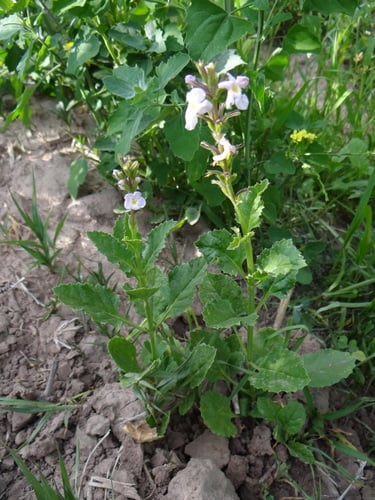
(c) Jing-Yi Lu, some rights reserved (CC BY-NC)
Summary
Source: WikipediaVerbena stricta, also known as hoary verbena, hoary vervain, tall vervain, or woolly verbena, is a North American wildflower. It was first described by Étienne Pierre Ventenat in his work, Description des plantes nouvelles.
Description
A herb. It grows 20-120 cm tall. It has pale coloured hairs. The leaves are oval and 3-10 cm long by 2-5 cm wide. There are teeth along the edge.
This description is brief — help expand it
Edible Uses
The leaves can be used to make a tea-like beverage.
Traditional Uses
The leaves are used to make a hot, tea like drink.
This uses section is brief — help expand it
Medicinal Uses
The plant is considered specific for fever and ague. An infusion of the leaves has been used to treat stomach aches.
Distribution
It is a temperate plant.
Where It Grows
North America, USA,
Cultivation
Succeeds in any moderately fertile well-drained but moisture retentive soil in a sunny position. Plants are hardy to about -20°c. Plants are often short-lived and sometimes only annual. Hybridizes with V. hastata.
Propagation
Seed — sow in early spring in a greenhouse or cold frame. Prick seedlings into individual pots when large enough to handle and plant out in summer. Divide in spring; larger divisions can go directly into permanent positions, while smaller divisions are best potted up and grown on in light shade in a greenhouse or cold frame before planting out in summer or the following spring. Basal cuttings taken in early summer — harvest shoots with plenty of underground stem when about 8–10cm above ground, pot individually, and keep in light shade until well rooted before planting out in summer.
Other Uses
None known.
Synonyms
References (1)
- Moerman, D. F., 2010, Native American Ethnobotany. Timber Press. p 590