Verbena litoralis
H. B. Kunth
iNaturalist· cc-by
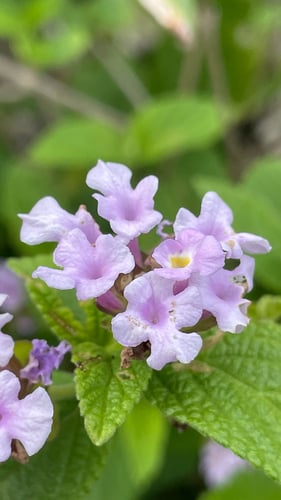
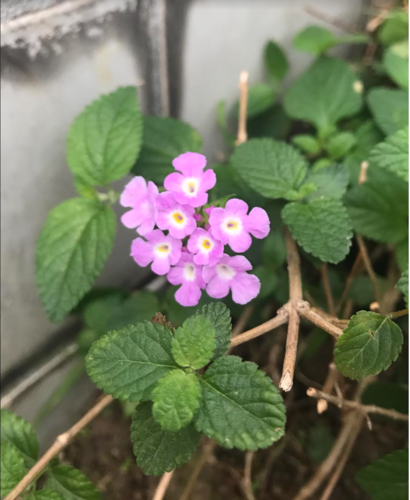
(c) Andrés Ramírez-Barrera, some rights reserved (CC BY), uploaded by Andrés Ramírez-Barrera
iNaturalist· cc-by-nc
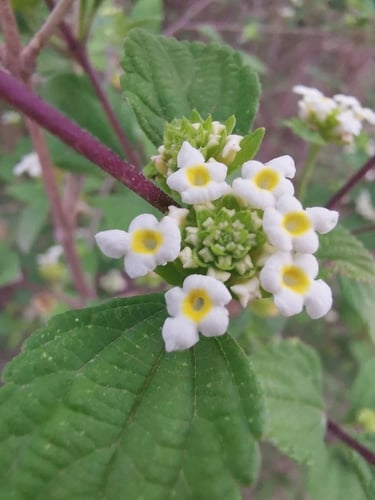
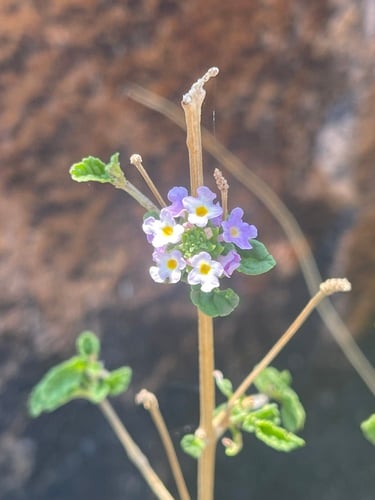
(c) Ryo.T, some rights reserved (CC BY-NC)
iNaturalist· cc-by-nc
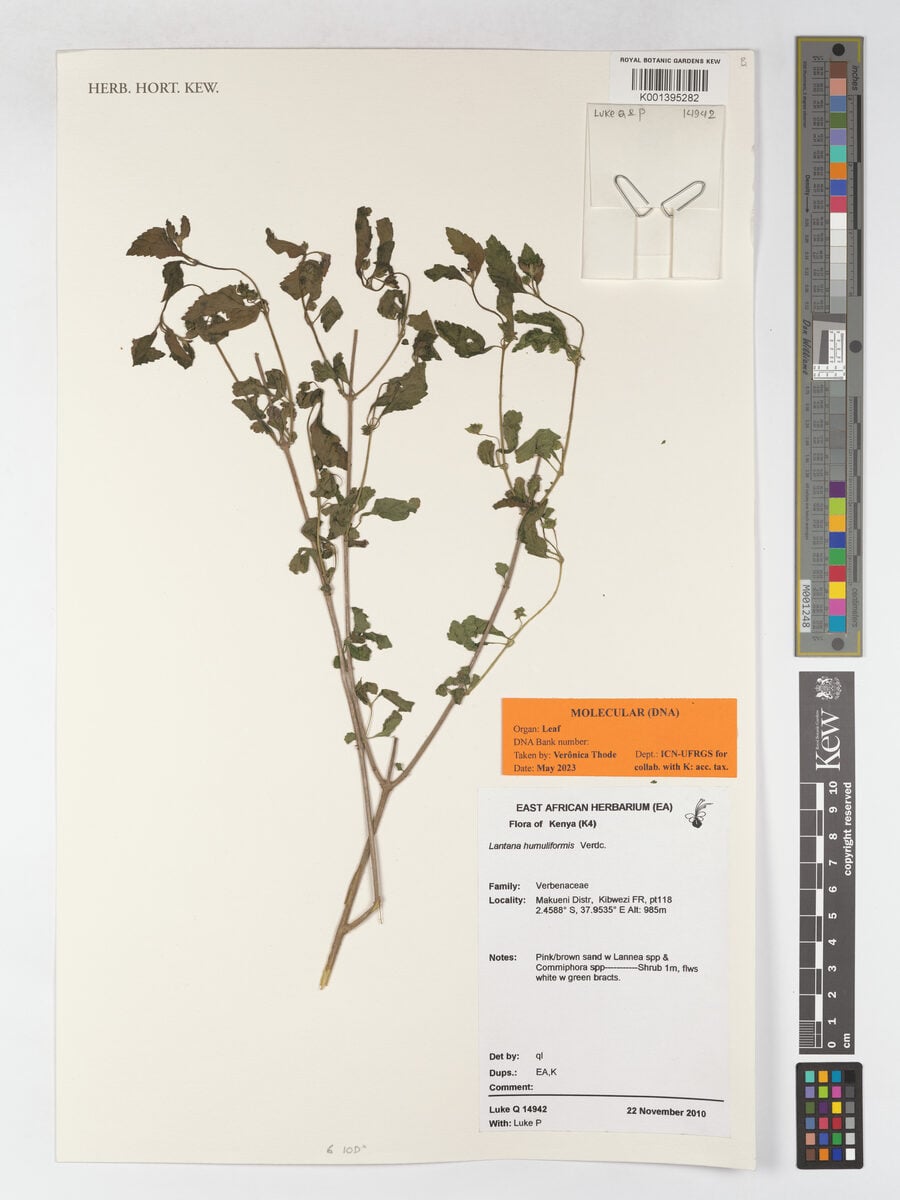
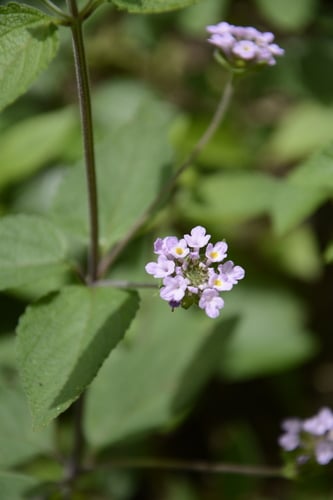
(c) Ryo.T, some rights reserved (CC BY-NC)
Summary
Source: WikipediaVerbena litoralis is a species of verbena known by the common names seashore vervain and Brazilian vervain, and in Hawaiian, ōwī. It is native to the Americas from Mexico south through Central and South America to Argentina and Chile. It is present throughout the world as an introduced species and in some areas a noxious weed. It is naturalized in the contiguous United States, Puerto Rico, Hawaii, Italy, Spain, South Africa, Mauritius, the Galápagos Islands, Australia, Easter Island, French Polynesia, Japan, New Zealand, and other places. It grows in many types of habitat, including disturbed and cultivated areas. This perennial herb produces one or more hairless or slightly bristly erect stems growing 40 centimeters to well over one meter tall. The rough-haired leaves are somewhat lance-shaped and have serrated edges, the blades measuring up to 10 centimeters in length. The inflorescence is made up of one to eleven erect spikes of flowers which are dense at the tip and more open on the lower part. Each small tubular flower has a purple corolla about half a centimeter wide.
Description
A herb. It keeps growing from year to year. The leaves are 5-12 cm long by 1-3 cm wide.
This description is brief — help expand it
Edible Uses
The leaves are brewed as tea.
Traditional Uses
The leaves are used for tea.
This uses section is brief — help expand it
Medicinal Uses
The plant has been used as a remedy for various fevers, as well as influenza and small-pox. The plant is crushed and boiled in water and then the decoction is taken orally. Said to have a bitter taste and a purgative effect.
Distribution
It is a subtropical plant. In Argentina it grows from sea level to 2,000 m above sea level.
Where It Grows
Argentina, Australia, Belize, Bolivia, Brazil, Caribbean, Central America, Chile, Colombia, Costa Rica, Easter Island, Ecuador, Galapagos, Guatemala, Hawaii, Honduras, Mauritius, Mexico, New Caledonia, New Zealand, Nicaragua, Norfolk Is., Panama, Paraguay, Peru, Puerto Rico, Reunion, South America*, Uruguay, Venezuela, Zambia, Zimbabwe,
Cultivation
Verbena litoralis is a plant of dry climates, growing in areas where the mean annual rainfall can be within the range 100 - 800mm, with a dry season of up to 10 months. It is intolerant of snow, but in dry climates can tolerate occasional short-lived freezing spells with temperatures falling to around -5°c. Prefers a sunny position and a dry, arid area. Plants can withstand long periods of drought. The plant has become an invasive weed in many tropical and subtropical areas. It displaces forages in pastures and native species in disturbed forest sites. Although the species has spread to other countries from its native environment, and is sometimes regarded as an invasive threat (in Australia and some states of the USA), it often seems to be restricted to disturbed habitats like roadsides, stream banks, tracks and waste places. Information on its effects on other plant species is not well reported, nor is there any evidence to suggest it has any serious impacts on specific environments or ecosystems.
Synonyms
Also Known As
Berebena, Bibina, Etajua, Hierba buena, Hierba de faraon, Moradilla macho, Sire verbena, Verbena azul, Verbena chiquita, Warmi verbena, Yapa, Yapo
References (6)
- Bennett, B. C., 1990, Useful Plants of Amazonian Ecuador. US Agency for International Development. Fifth Progress Report. New York Botanical Gardens. p 40
- Kermath, B. M., et al, 2014, Food Plants in the Americas: A survey of the domesticated, cultivated and wild plants used for Human food in North, Central and South America and the Caribbean. On line draft. p 904
- Kew Plants of the World Online
- Leon-Lobos, P., et al, 2022, Patterns of Traditional and Modern Uses of Wild Edible Native Plants of Chile: Challenges and Future Perspectives. Plants (Basel) v 11 (6) Table S1
- Torre, de la, L., et al, 2008, Enciclopedia de las Plantas Útiles del Ecuador. Herbario QCA. Pontificia Universidad Católica del Ecuador. p 618
Show all 6 references Hide references
- Zizka, G., 1991, Flowering Plants of Easter Island. Palmarum Hortus Francofurtensis