Rhodiola rosea
L.
Rose Root
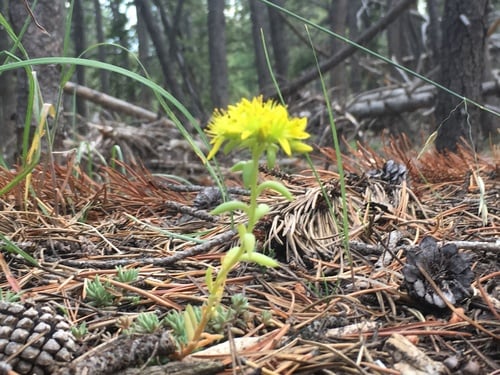
iNaturalist· cc-by-nc-sa
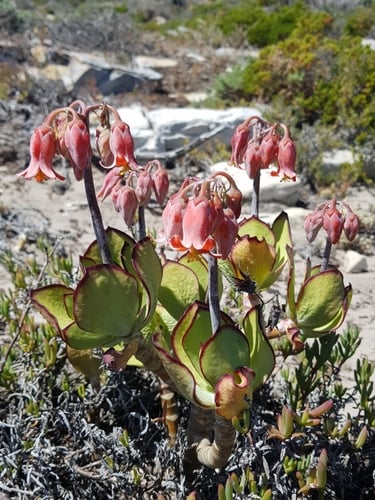
(c) Thomas Brooks, some rights reserved (CC BY-NC-SA), uploaded by Thomas Brooks
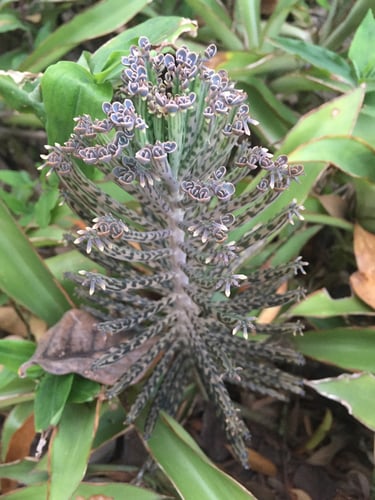
iNaturalist· cc-by-nc
(c) wanderingeden, some rights reserved (CC BY-NC), uploaded by wanderingeden
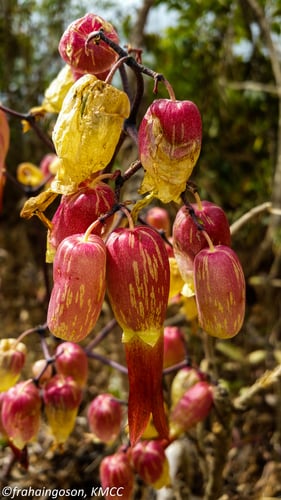
iNaturalist· cc-by
(c) Donald Davesne, some rights reserved (CC BY), uploaded by Donald Davesne
Description
Rhodiola rosea is a PERENNIAL growing to 0.3 m (1ft) by 0.3 m (1ft in). See above for USDA hardiness. It is hardy to UK zone 1 and is not frost tender. It is in flower from May to August, and the seeds ripen from July to August. The species is dioecious (individual flowers are either male or female, but only one sex is to be found on any one plant so both male and female plants must be grown if seed is required). and is pollinated by Bees, flies. The plant is not self-fertile. Suitable for: light (sandy), medium (loamy) and heavy (clay) soils and prefers well-drained soil. Suitable pH: mildly acid, neutral and basic (mildly alkaline) soils. It cannot grow in the shade. It prefers dry or moist soil and can tolerate drought. The plant can tolerate maritime exposure.
Edible Uses
The young succulent leaves and shoots are eaten raw or cooked like spinach[2, 52, 62, 85, 172, 183]. A slightly bitter taste, we find them unpleasant on their own though they can be used as a small part of a mixed salad. They can be made into a sauerkraut. Stems - cooked and eaten like asparagus. Root - raw or cooked. It was fermented before being eaten by the N. American Indians.
Medicinal Uses
Adaptogen Antidepressant Stomachic TBThough little known as a medicinal plant, rose root has been used in traditional European medicine for over three thousand years, mainly as a tonic. Modern research has shown that it increases the body's resistance to any type of stress by regulating the body's hormonal response. Its use has been shown to have a protective effect upon the neurotransmitters such as serotonin and dopamine in the brain. It improves neurotransmitter activity by inhibiting their enzymatic destruction and preventing their decline caused by excessive stress hormone release. Rose root also enhances the transport of serotonin's precursors into the brain and studies have shown that use of this herb can increase brain serotonin by up to 30%. The root is adaptogen. It has an enhancing effect upon physical endurance and sexual potency. A decoction of the flowers has been used to treat stomach aches and intestinal discomfort. The raw flowers have been eaten in the treatment of tuberculosis.
Distribution
Arctic regions of Europe, Asia and N. America, including Britain, further south on mountains.
Where It Grows
TEMPERATE ASIA: Altay, Buryatia, China, Chita, Gansu Sheng (central), Gorno-Altay, Habarovskij kraj, Hebei Sheng, Hokkaidô, Honshu, Irkutsk, Japan, Jilin Sheng, Kamcatskij kraj, Kazakhstan (southeast), Kemerovskaja oblast, Korea, Krasnoyarsk, Magadanskaja oblast, Mongolia, Respublika, Russian Federation, Shanxi Sheng, Sverdlovsk, Tyumen, Tyva, Xinjiang Uygur Zizhiqu, Yakutia-Sakha,Russian Federation. NORTHERN AMERICA: Greenland, United States, Alaska, Maine, New York, Pennsylvania, Vermont, North Carolina, Canada, Québec, Nova Scotia, New Brunswick, Newfoundland and Labrador, , EUROPE: Finland (north), United Kingdom (U.K.), Ireland, Iceland, Norway, Sweden, Austria, Switzerland, Czech Republic (east), Germany (south), Poland (southwest), Slovakia, Russian Federation, Karelia, Komi, Arkhangelsk, Neneckij avtonomnyj okrug, Murmansk, Perm, Ukraine (west), Bulgaria, Bosnia and Herzegovina, Croatia, Italy (north), North Macedonia, Romania, Slovenia, Spain (northeast), France (s. & e.),
Cultivation
Prefers a fertile well drained open loam in a sunny position. Tolerates fairly damp conditions but prefers a raised well-drained spot. Established plants are drought resistant. This species is extremely polymorphic. Plants often self-sows when they are growing in a suitable position. They can self-sow to the point of nuisance. The dried root has a rose scent. Dioecious. Male and female plants must be grown if seed is required. An evergreen.
Propagation
Seed - surface sow in a sunny position in a greenhouse in spring. Do not let the compost dry out. The seed usually germinates in 2 - 4 weeks at 10°c. Prick out the seedlings into individual pots when they are large enough to handle, and grow them on in the greenhouse for their first winter. Plant out in early summer of the following year. Division in August to October. Very easy, larger divisions can be planted out direct into their permanent positions. We have found that it is better to pot up the smaller divisions and grow them on in light shade in a cold frame until they are well established before planting them out in late spring or early summer. Cuttings taken in the growing season. Basal shoots in early summer are easiest. Harvest the shoots with plenty of underground stem when they are about 8 - 10cm above the ground. Pot them up into individual pots and keep them in light shade in a cold frame or greenhouse until they are rooting well. Plant them out in the summer.
Other Uses
Essential. Agroforestry Uses: Plants can be grown as a ground cover when planted about 30cm apart each way. Other Uses: An extract of the root is used in cosmetic preparations as an antioxidant, astringent and skin conditioner. The dried root smells strongly of roses. They may be used to distill rose-water. Ornamental.