Amerosedum lanceolatum
(Torr.) A. Love & D. Love
Spearleaf stonecrop, Lance-leaf Stonecrop
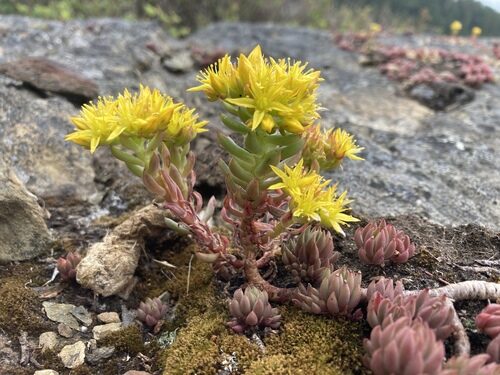
iNaturalist· cc-by-nc
(c) peets, some rights reserved (CC BY-NC)
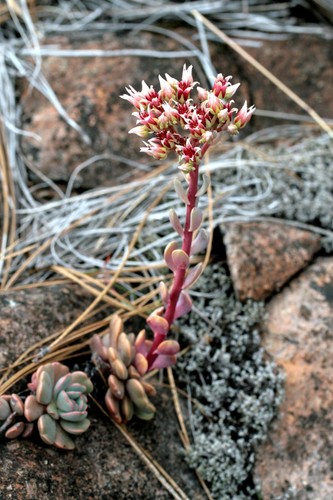
iNaturalist· cc-by-nc
(c) Peter Zika, some rights reserved (CC BY-NC)
iNaturalist· cc-by-nc
(c) Peter Zika, some rights reserved (CC BY-NC)
Description
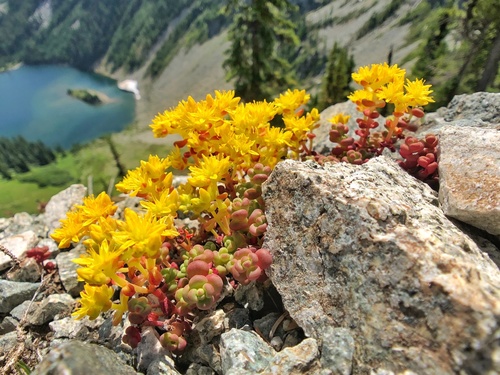
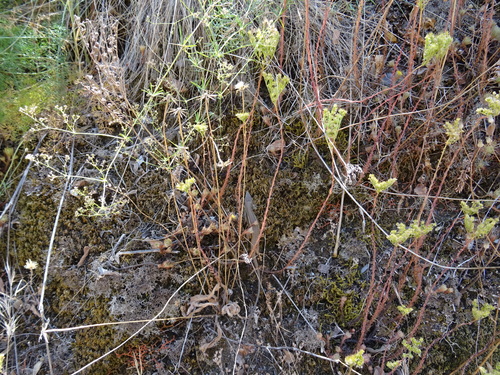
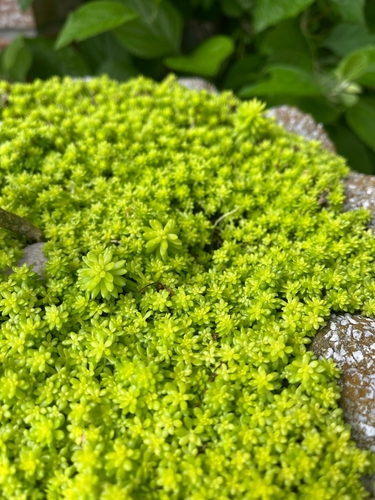
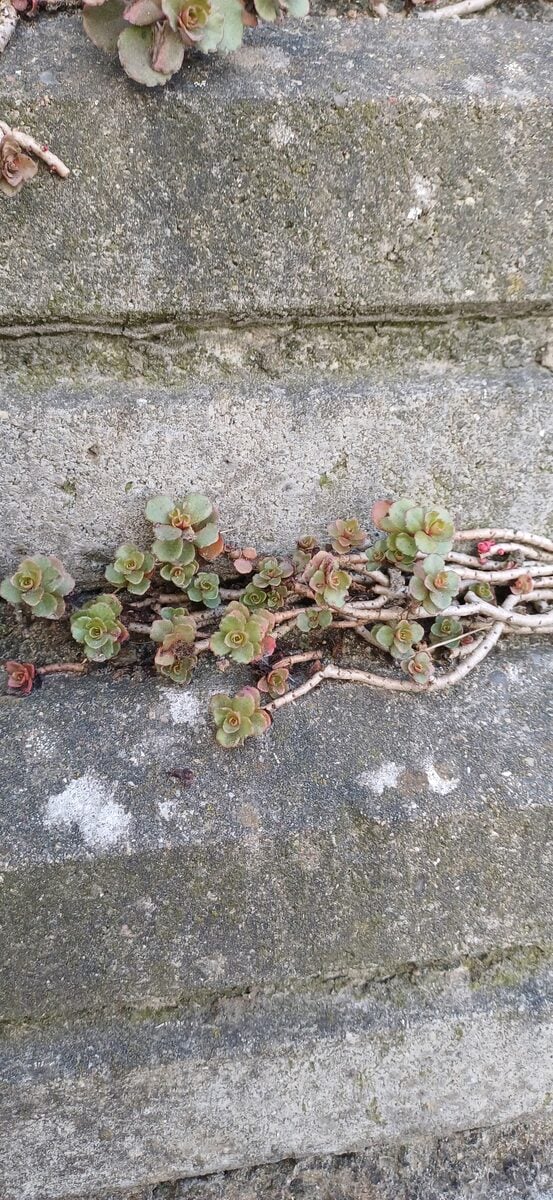
A herb which grows in tufts and is succulent. It keeps growing from year to year. The rootstock is slender and branches freely. The end branch is 10-15 cm high. The side branches are leafy and without flowers. The end branch has a cluster of yellow flowers. The fruit are erect pods.
Edible Uses
The young stems and leaves are cooked and eaten.
Traditional Uses
The young stems and leaves are cooked and eaten.
This uses section is brief — help expand it
Distribution
It grows on dry sunny slopes and rock screes. It continues to grow well above the treeline in the Rocky Mountains.
Where It Grows
Canada, North America, USA,
Notes
There are about 400 Sedum species. An unresolved name in The Plant List.
References (5)
- MacKinnon, A., et al, 2009, Edible & Medicinal Plants of Canada. Lone Pine. p 254 (As Sedum lanceolatum)
- Moerman, D. F., 2010, Native American Ethnobotany. Timber Press. p 525 (As Sedum lanceolatum)
- Plants for a Future database, The Field, Penpol, Lostwithiel, Cornwall, PL22 0NG, UK. http://www.scs.leeds.ac.uk/pfaf/ (As Sedum lanceolatum)
- Porsild, A.E., 1974, Rocky Mountain Wild Flowers. Natural History Series No. 2 National Museums of Canada. p 206 (As Sedum lanceolatum)
- Scotter, G. W., & Flygare, H., 1993, Wildflowers of the Canadian Rockies. Hurtig. p 94 (As Sedum lanceolatum)