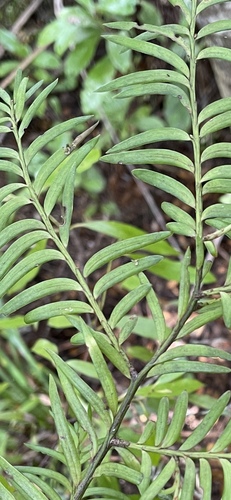
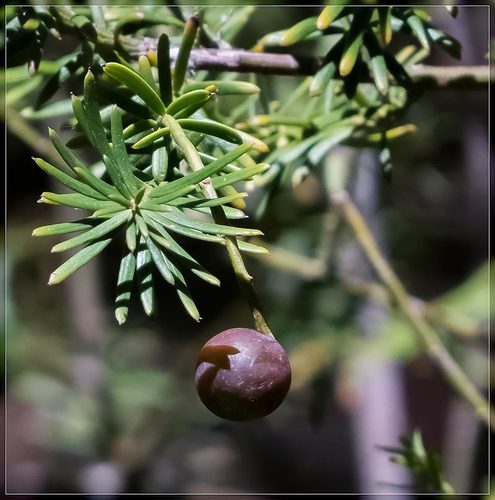
Podocarpus alpinus
R.Br. ex Hook.f.
Tasmanian Podocarp
gbif· cc-by-nc
Florida Museum of Natural History Herbarium - University of Florida
gbif· cc0
Conveyor Belt
gbif· cc-by-nc-sa
MBG
Description
Podocarpus alpinus is an evergreen Shrub growing to 2 m (6ft) by 2.5 m (8ft) at a slow rate. See above for USDA hardiness. It is hardy to UK zone 7. It is in leaf all year, and the seeds ripen in October. The species is dioecious (individual flowers are either male or female, but only one sex is to be found on any one plant so both male and female plants must be grown if seed is required). and is pollinated by Wind. The plant is not self-fertile. Suitable for: light (sandy), medium (loamy) and heavy (clay) soils and prefers well-drained soil. Suitable pH: mildly acid and neutral soils. It can grow in semi-shade (light woodland) or no shade. It prefers moist soil.
Edible Uses
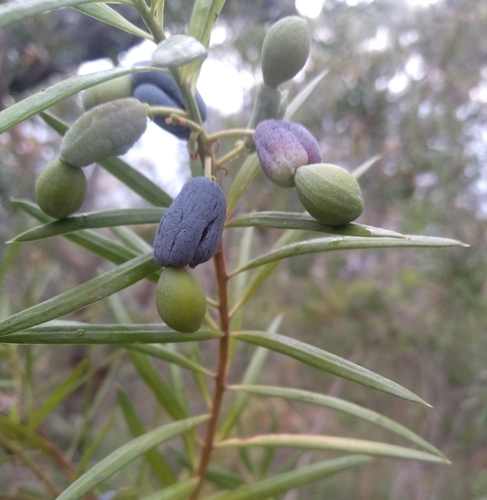
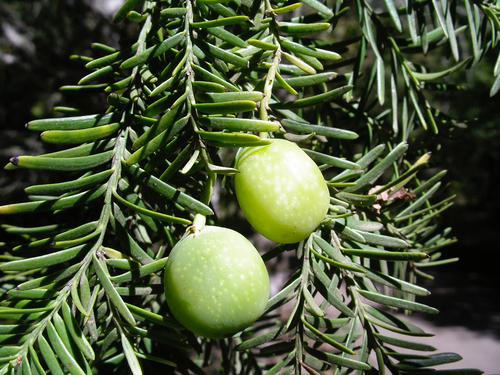
Fruit - raw or cooked. The fruit is about 6mm x 5mm in size with a single seed. Although we have seen no specific reports of edibility for this fruit, it is closely related to other species with edible fruits and is very unlikely to be poisonous - we have indeed eaten it on a number of occasions and it has a mucilaginous texture with a slightly sweet flavour.
Known Hazards
Superficially similar to Taxus species, but this plant is definitely not poisonous.
Distribution
Australia - New South Wales, Tasmania, Victoria.
Where It Grows
AUSTRALASIA: Australia (Tasmania, New South Wales (southeast), Victoria (east), Australian Capital Territory)
Cultivation
Prefers a rich moist non-alkaline soil. Plants are shade tolerant, at least when young. Hardy to about -25°c, but plants grow best in humid areas with high rainfall and mild winters. Plants often fruit freely in Britain. There is some doubt over the correct name for this species - the Flora of Australia says that it is a synonym of P. lawrencei, a species which, according to our records, only occurs in New Zealand. A very slow growing plant, reaching 1.5 metres tall in 50 years at Kew Gardens. It is a good plant for the rock garden. Plants are very tolerant of pruning. Plants in this genus are notably resistant to honey fungus. Dioecious. Male and female plants must be grown if seed is required. Occasional plants are monoecious.
Propagation
The seed can be sown at any time of the year in a sandy soil in a warm greenhouse, though it is probably best sown as soon as it is ripe. When they are large enough to handle, prick the seedlings out into individual pots and grow them on in the greenhouse for at least their first winter. Plant them out into their permanent positions in late spring or early summer, after the last expected frosts. Cuttings of half-ripe terminal shoots, 5 - 10cm long, July/August in a frame.
Other Uses
Wood. Wood.