Myrica rubra - (Lour.)Siebold.&Zucc.
(Lour.)Siebold.&Zucc.
Chinese Bayberry
gbif· cc-by
GBIF
gbif· cc-by-sa
GBIF
gbif· cc-by
RECOLNAT (ANR-11-INBS-0004)
Description
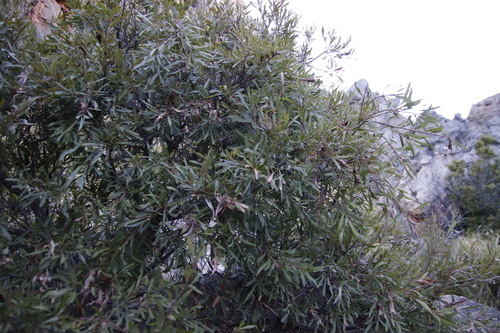
Myrica rubra is an evergreen Shrub growing to 15 m (49ft 3in). See above for USDA hardiness. It is hardy to UK zone 10. It is in leaf all year. The species is monoecious (individual flowers are either male or female, but both sexes can be found on the same plant) and is pollinated by Wind. It can fix Nitrogen. Suitable for: light (sandy), medium (loamy) and heavy (clay) soils and prefers well-drained soil. Suitable pH: mildly acid and neutral soils. It can grow in semi-shade (light woodland) or no shade. It prefers moist soil.
Edible Uses
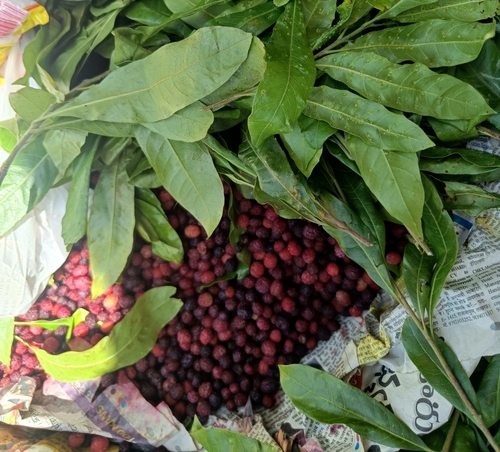
Fruit - raw or cooked. Succulent and aromatic, it has an agreeable sub-acid taste. Juicy, sweetish and sour according to another report. The fruit soon rots so it is difficult to grow commercially because of the problems of getting it to market in good condition. The fruit is up to 25mm in diameter. The seed is said to be edible.
Medicinal Uses
Astringent Cardiac Carminative Cholera Pectoral Skin Stomachic Vulnerary. Astringent, carminative, vulnerary. The stem bark is used as a wash in the treatment of arsenic poisoning, skin diseases, wounds and ulcers. The fruit is carminative, pectoral and stomachic. The seed is used in the treatment of sweaty feet. The plant is used in the treatment of cholera, heart ailments and stomach diseases.
Known Hazards
Although no reports of toxicity have been seen for this species, there is a report for some members of this genus that some of the constituents of the wax might be carcinogenic.
Distribution
E. Asia - China, Japan.
Where It Grows
TEMPERATE ASIA: Fujian Sheng, Guangdong Sheng, Guangxi Zhuangzu Zizhiqu, Guizhou Sheng, Honshu (south), Hunan Sheng, Japan, Jiangsu Sheng, Jiangxi Sheng, Korea, Kyushu, Ryukyu Islands, Shikoku, Sichuan Sheng, South, Taiwan, Yunnan Sheng, Zhejiang Sheng,China. TROPICAL ASIA: Philippines,
Cultivation
Prefers a moist soil. Grows well in an open position in a well-drained soil in sun or light shade. Thrives in any ordinary garden soil. Prefers a lime-free loamy or peaty soil. Not very hardy in Britain, it succeeds outdoors in the milder areas of the country according to one report, whilst another says that it only succeeds in zone 10 and does not tolerate frosts. Plants succeed outdoors in Japan as far north as Tokyo, but it is difficult to get them to fruit there.. This plant has been recommended for improvement by selection and breeding for its edible fruit. Plants in this genus are notably resistant to honey fungus. Many species in this genus have a symbiotic relationship with certain soil micro-organisms, these form nodules on the roots of the plants and fix atmospheric nitrogen. Some of this nitrogen is utilized by the growing plant but some can also be used by other plants growing nearby.
Propagation
Seed - best sown as soon as it is ripe in the autumn in a cold frame. Barely cover the seed and keep it moist. Stored seed germinates more freely if given a 3 month cold stratification and then sown in a cold frame. Germination is usually good. Prick out the seedlings into individual pots when they are large enough to handle and grow on in the cold frame for the first winter. Plant out in late spring or early summer. Cuttings of half-ripe wood, 5 - 8cm with a heel, July/August in a frame. Pot up and overwinter in a cold frame. Fair to good percentage. Cuttings of mature wood in November/December in a frame. Layering in spring. Division of suckers in the dormant season. Plant them out direct into their permanent positions.
Other Uses
DyeA yellow dye is obtained from the plant. (The part of the plant is not specified). Nitrogen Fixer.
Synonyms
More from Myricaceae
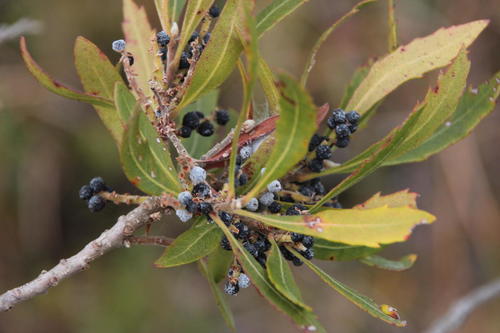
Morella serrata
Lance-leaved waxberry
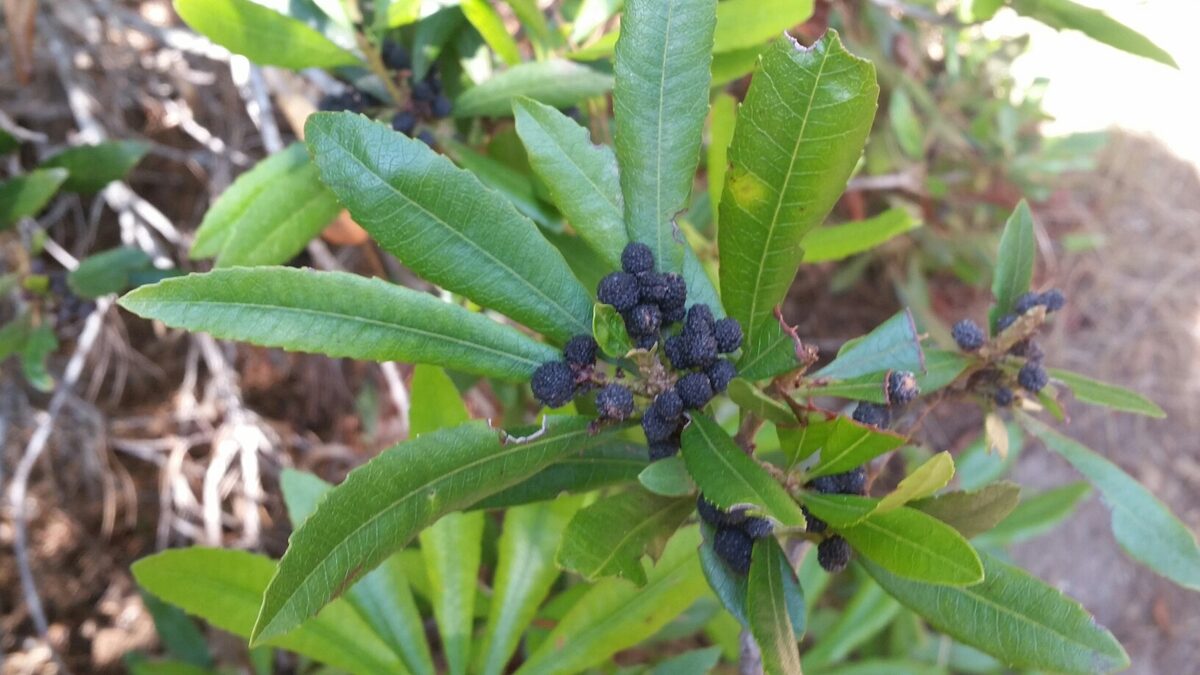
Myrica californica
Californian Bayberry, California Wax Myrtle, California Barberry
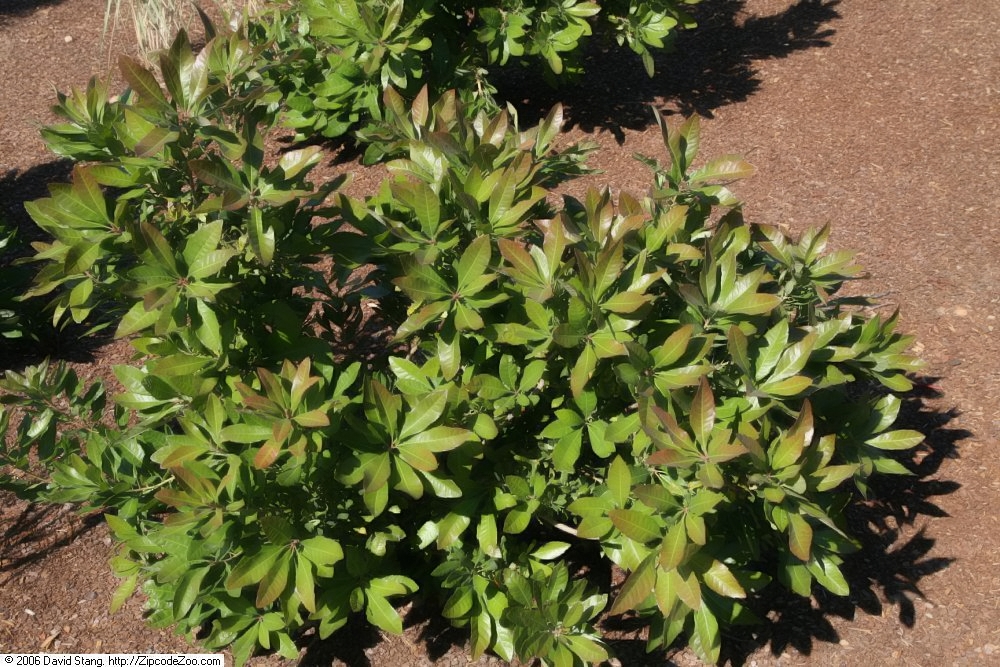
Myrica caroliniensis
Candleberry, Southern bayberry
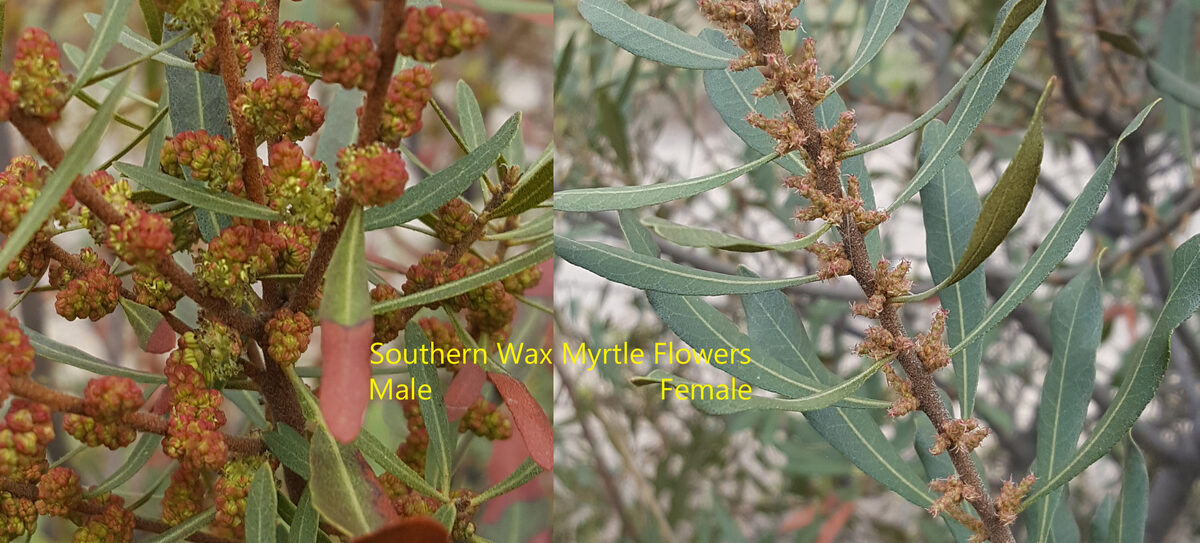
Myrica cerifera
Wax Myrtle - Bayberry Wild Cinnamon, Southern Bayberry, Wax Myrtle, Southern Wax Myrtle
Myrica conifera
Myrica esculenta
Box myrtle, Bay berry