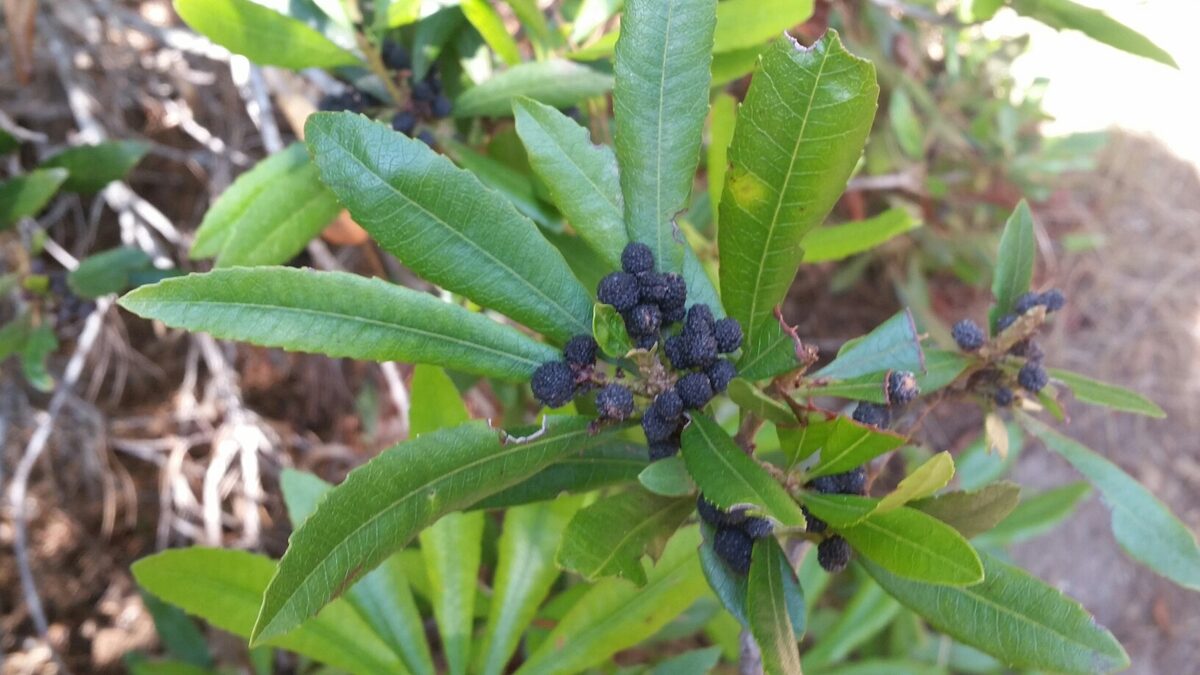
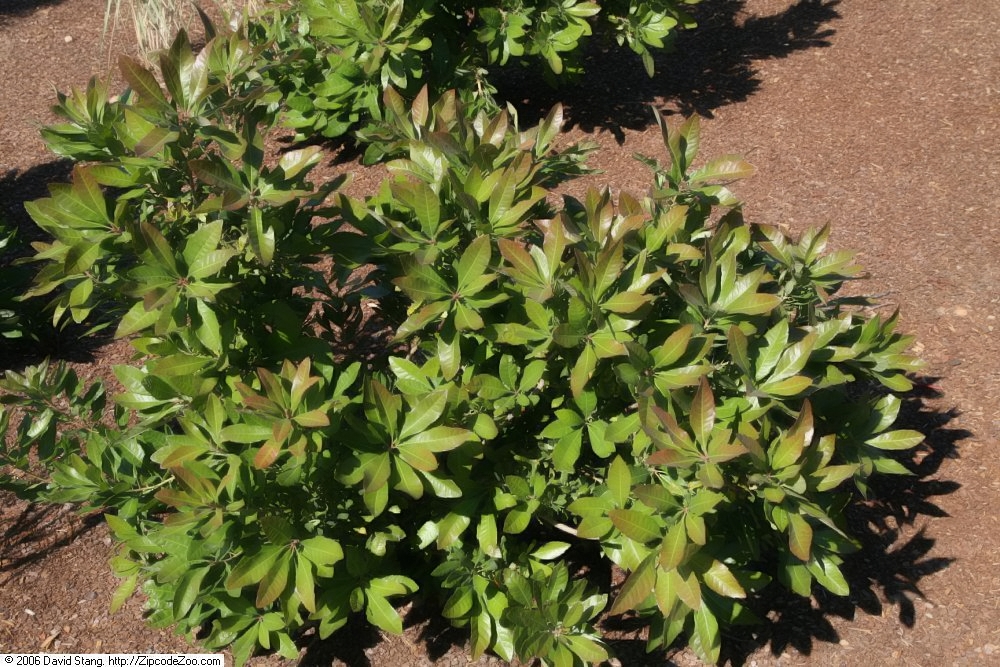
Morella serrata
(Lam.) Killick
Lance-leaved waxberry
iNaturalist· cc-by-sa
(c) Tony Rebelo, some rights reserved (CC BY-SA), uploaded by Tony Rebelo
iNaturalist· cc-by
(c) Robert Taylor, some rights reserved (CC BY)
Description
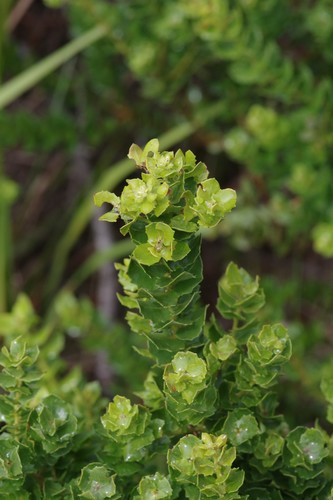
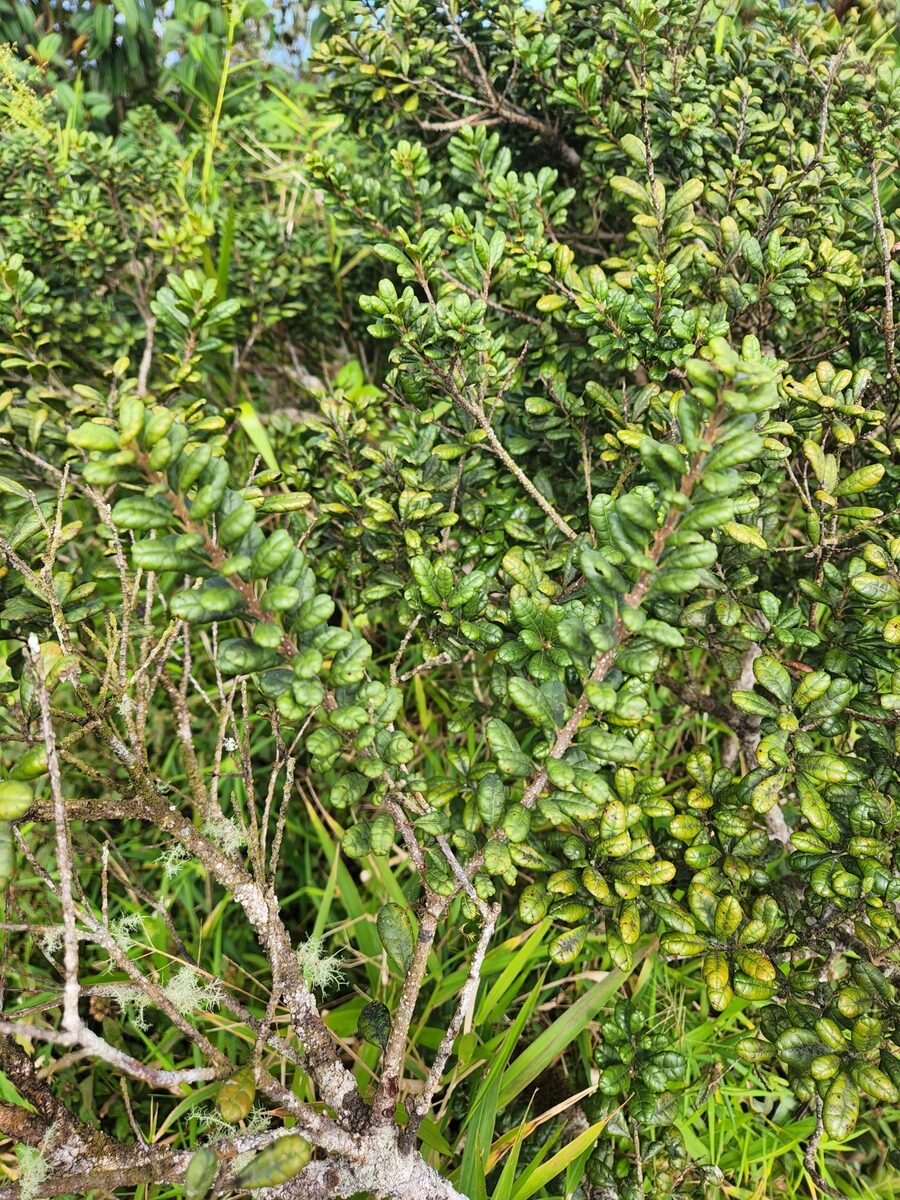
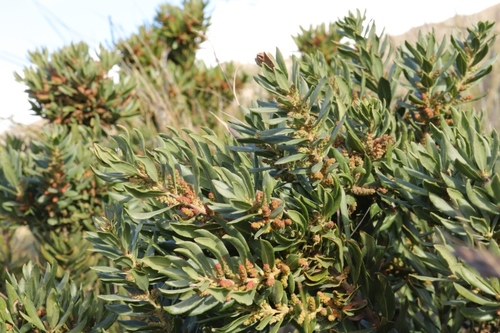
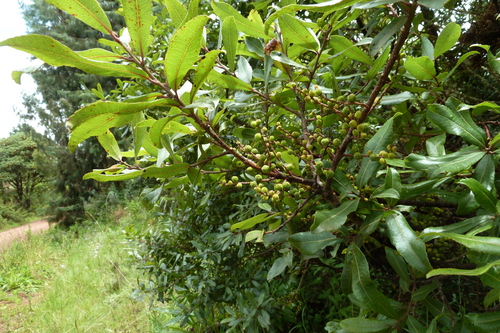
A shrub or small tree. It grows 1-9 m tall. It has many branches. It usually has male and female flowers on separate trees. The bark is grey. The leaves are scented. The leaf blades are 7-12 cm long by 1-3 cm wide. They are narrowly sword shaped. There are teeth along the edge. The male catkins are reddish. The fruit is oval and 3-4 mm across.
Edible Uses
The fruit is eaten as a snack.
Traditional Uses
The fruit is eaten as a snack.
This uses section is brief — help expand it
Distribution
It is a tropical plant. It grows along rivers and in marshy grassland. It grows between 1,550-2,150 m altitude.
Where It Grows
Africa, Angola, Botswana, Central Africa, East Africa, Eswatini, Ethiopia, Lesotho, Malawi, Mozambique, Namibia, South Africa, Southern Africa, Swaziland, Tanzania, Zambia, Zimbabwe,
Synonyms
Also Known As
Leti, Maluleka, Meluleka, Mnungu, Monnamotsu, Mukungula, Uleti
References (6)
- Flora Zambesiaca. http://apps.kew.org/efloras
- Fowler, D. G., 2007, Zambian Plants: Their Vernacular Names and Uses. Kew. p 49
- Grivetti, L. E., 1980, Agricultural development: present and potential role of edible wild plants. Part 2: Sub-Saharan Africa, Report to the Department of State Agency for International Development. p 65 (As Myrica conifera)
- Long, C., 2005, Swaziland's Flora - siSwati names and Uses http://www.sntc.org.sz/flora/
- Ruiters-Welcome, A. K., 2019, Food plants of southern Africa. Ph.D. thesis. Univ. of Johannesburg p 80
Show all 6 references Hide references
- Welcome, A. K. & Van Wyk, B.-E., 2019, An inventory and analysis of the food plants of southern Africa. South African Journal of Botany 122 (2019) 136–179