Monarda citriodora
Cerv. ex Lag.
Lemon Bergamot, Lemon beebalm. Lemon Mint
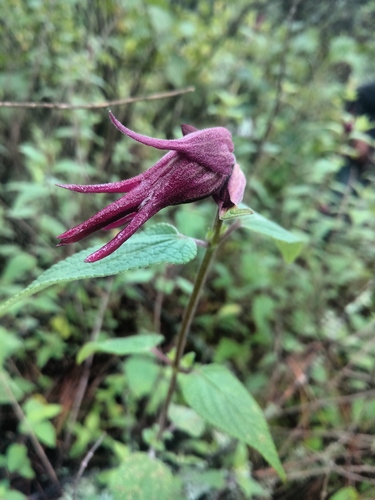
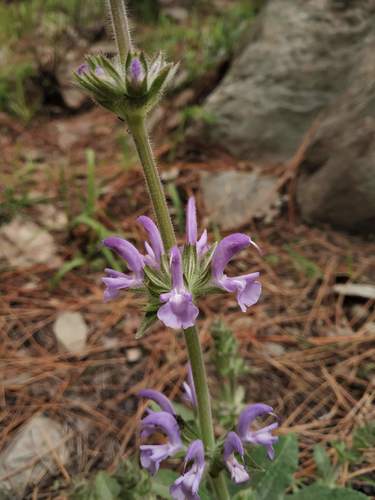
iNaturalist· cc-by-nc
(c) Conor McMahon, some rights reserved (CC BY-NC), uploaded by Conor McMahon
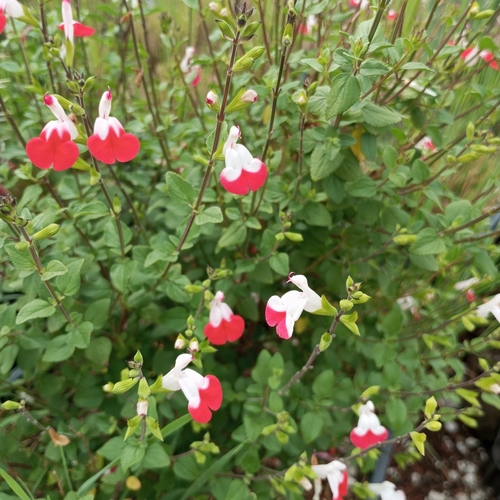
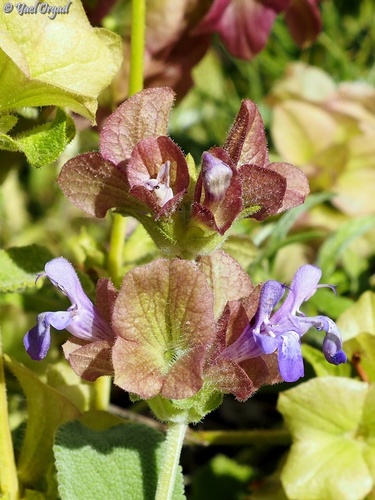
iNaturalist· cc-by-nc
(c) Conor McMahon, some rights reserved (CC BY-NC), uploaded by Conor McMahon
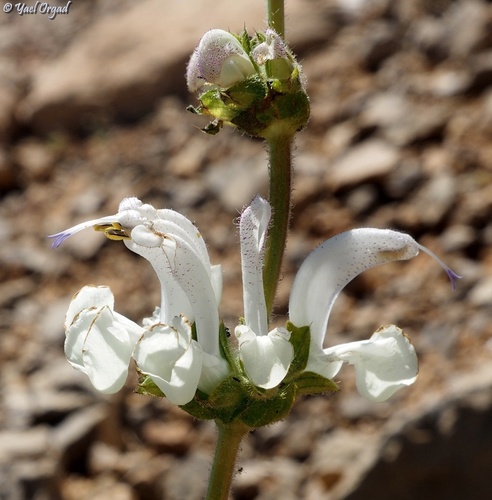
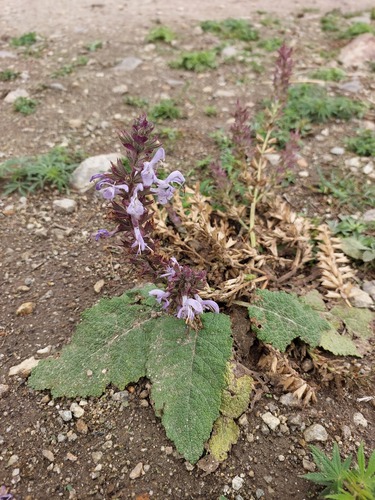
iNaturalist· cc-by-nc
(c) Nathan Taylor, some rights reserved (CC BY-NC), uploaded by Nathan Taylor
Description
Monarda citriodora is a ANNUAL/PERENNIAL growing to 0.6 m (2ft) at a fast rate. See above for USDA hardiness. It is hardy to UK zone 6. It is in flower from July to August. The species is hermaphrodite (has both male and female organs) and is pollinated by Bees. The plant is self-fertile. It is noted for attracting wildlife. Suitable for: light (sandy), medium (loamy) and heavy (clay) soils. Suitable pH: mildly acid, neutral and basic (mildly alkaline) soils. It can grow in semi-shade (light woodland) or no shade. It prefers moist soil.
Edible Uses
Tea. Leaves - raw or cooked. They are used as a flavouring in salads and cooked foods and also as a tea. They have a pleasant lemon flavour.
Distribution
Central and Southern N. America to Mexico.
Where It Grows
NORTHERN AMERICA: United States (Kansas, Missouri (west), Oklahoma, Arkansas, New Mexico, Texas, Arizona (southeast)), Mexico (Chihuahua, Coahuila de Zaragoza, Durango, Nuevo León, Sinaloa, Sonora (east), Tamaulipas, Michoacán de Ocampo)
Cultivation
An easily grown plant, succeeding in ordinary garden soil so long as it is not too dry. Requires a moist soil and a sunny position. Likes some shade. Prefers a sandy rather acidic soil. This species is closely related to M. pectinata. Said to be a perennial in some books and an annual in others, it has acted as an annual with us so far. A good bee plant. Subject to mildew in dry summers.
Propagation
Seed - sow mid to late spring in a cold frame. Germination usually takes place within 10 - 40 days at 20°c. When large enough to handle, prick the seedlings out into individual pots and plant them out into their permanent positions in early summer. The seed can also be sown in situ in late summer in areas where the winters are not too severe and will produce larger plants. Cuttings of soft basal shoots in spring. Harvest the shoots with plenty of underground stem when they are about 8 - 10cm above the ground. Pot them up into individual pots and keep them in light shade in a cold frame or greenhouse until they are rooting well. Plant them out in the summer. Division in spring or autumn.
Other Uses
Essential RepellentAn essential oil in the leaves contains a phenol and a citral. No more information is given, though the oil is likely to have medicinal activity and perhaps be suitable for perfumery etc. The essential oil citronellal, used as an insect repellent and in perfumery, is obtained from this plant.