Salvia multicaulis
Vahl
Bardagawsh, Many-stemmed sage
iNaturalist· cc-by-nc
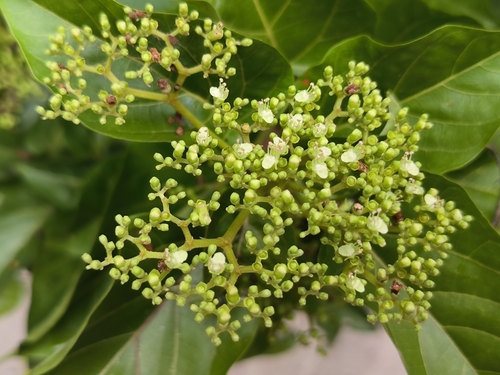
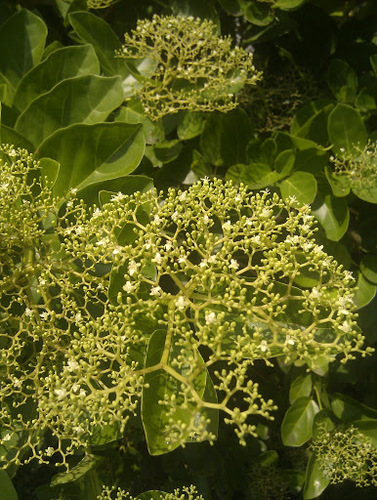
(c) Yael Orgad, some rights reserved (CC BY-NC), uploaded by Yael Orgad
iNaturalist· cc-by-nc
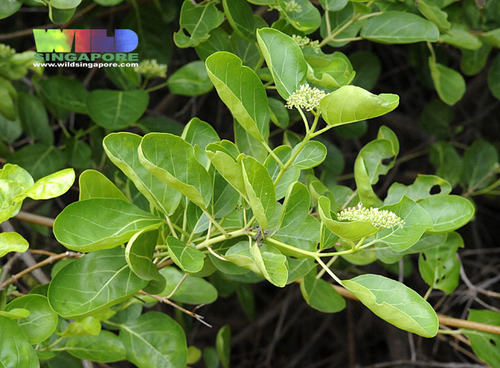
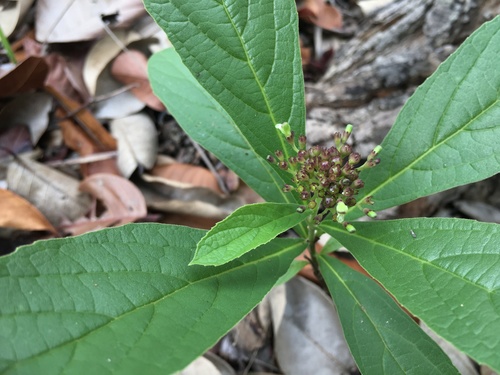
(c) Yael Orgad, some rights reserved (CC BY-NC)
Summary
Source: WikipediaSalvia multicaulis is a low-growing perennial shrub native to Turkey and bordering countries. Plants grow into mats up to 90 cm (3.0 ft) wide, with erect woody stems. The plant reaches 15 cm (5.9 in) tall, though the flowering stems reach 30 to 45 cm (12 to 18 in). The oval leaves are grey-green, 3 cm (1.2 in) long by 2 cm (0.79 in) wide, with a rugose upper surface and whitish hairy underside. Small violet flowers grow in whorls of 4–10 with conspicuous reddish-brown bracts. It has been reported that the plant has significant antioxidant and antimicrobial activity.
Description
A herb or small shrub. It is low growing and keeps growing from year to year. It forms mats 90 cm wide. It has erect woody stems. It grows 15 cm tall but the flowering stems can be 30-45 cm tall. The leaves are oval and grey-green and 3 cm long by 2 cm wide. They have white hairs underneath. There is a ring or 4-10 small violet flowers with reddish-brown bracts.
Edible Uses
The leaves are used as a condiment for tea or brewed directly in boiling water to make a herbal tea. Aromatically, they make a good substitute for common sage (Salvia officinalis) in cooking.
Traditional Uses
The leaves are boiled with water and sugar to make a tea like drink.
This uses section is brief — help expand it
Medicinal Uses
None known.
Distribution
It is a Mediterranean climate plant.
Where It Grows
Egypt - Sinai, Iraq, Israel, Mediterranean, Middle East, Saudi Arabia, Turkey, Türkiye,
Cultivation
Requires a very well-drained fertile sandy soil in a sunny position. Soils rich in nitrogen encourage excessive leaf growth at the expense of flowering. Hardy to about -25°c. Another report says that the plant only tolerates temperatures down to about -10°c. Plants can be killed by excessive winter wet. A low-growing plant forming mats. Members of this genus are rarely if ever troubled by browsing deer.
Propagation
Sow seed in March/April in a greenhouse; germination typically occurs within 2 weeks. Prick seedlings into individual pots when large enough and plant out in early summer. In marginal areas, overwinter young plants under glass and plant out in late spring the following year. Cuttings of half-ripe wood can be taken at almost any point during the growing season.
Other Uses
None known.
Notes
It has antioxidant and antimicrobial activity.
Synonyms
Also Known As
Ada cayi, Caya ciyan, Caya cole, Dag cayi, Giya caye, Kurt reyhani, Rayhanakiwilka, Rihan, Sut otu
References (9)
- Al-Sodany, Y. M., et al, 2013, Medicinal Plants in Saudi Arabia: I. Sarrwat Mountains at Taif, KSA. Academic Journal of Plant Sciences 6 (4): 134-145
- Bailey, C. and Danin, A., 1981, Bedouin Plant Utilization in Sinai and the Negev. Economic Botany 35(2): 145-162
- Demir, I. & Ayaz, N., 2022, Wild edible plants contributing to the traditional foods of Mardin (Turkey) Province. Indian Journal of Traditional Knowledge Vol 21(3), July 2022, pp 569-582
- Dogan, A. & Tuzlaci, E., 2015, Wild Edible Plants of Pertek (Tunceli-Turkey). Marmara Pharmaceutical Journal 19: 126-135
- Ertug, F, Yenen Bitkiler. Resimli Türkiye Florası -I- Flora of Turkey - Ethnobotany supplement
Show all 9 references Hide references
- Ferns, Pants For A Future
- Galalaey, A. M. K., et al, 2021, Ethnobotanical study of some wild edible plants in Hujran Bason, Kurdistan Region of Iraq. ZANCO Journal of Pure and Applied Sciences. Salahaddin University-Erbil p 27
- Gunes, S. et al, 2018, Survey of wild food plants for human consumption in Karaisali (Adana-Turkey). Indian Journal of Traditional Knowledge. Vol. 17(2), April 2018, pp 290-298
- Yesil, Y., et al, 2019, Traditional knowledge of wild edible plants in Hasankeyf (Batman Province, Turkey). Acta Societatis Botanicorum Poloniae. 88(3):3633