Meum athamanticum
Jacq.
Spignel
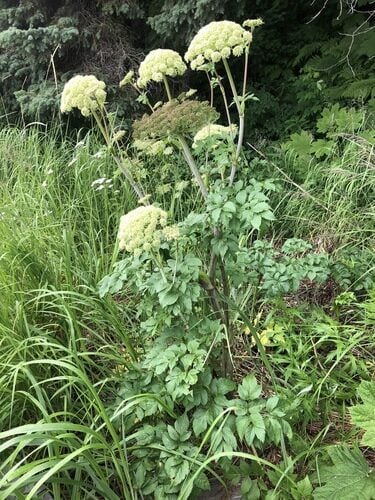
iNaturalist· cc-by-nc
(c) Ludwig Treuter, some rights reserved (CC BY-NC), uploaded by Ludwig Treuter
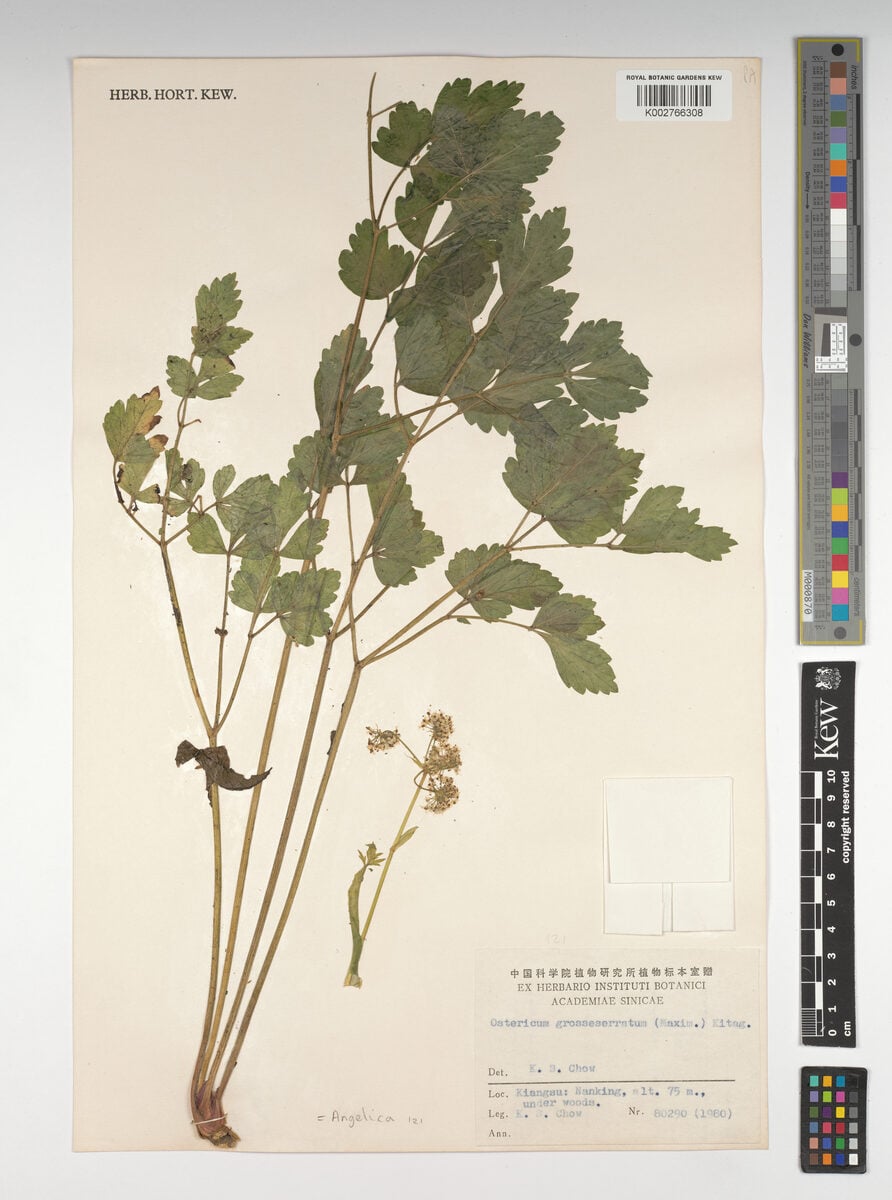
iNaturalist· cc-by
(c) Frank Vassen, some rights reserved (CC BY)
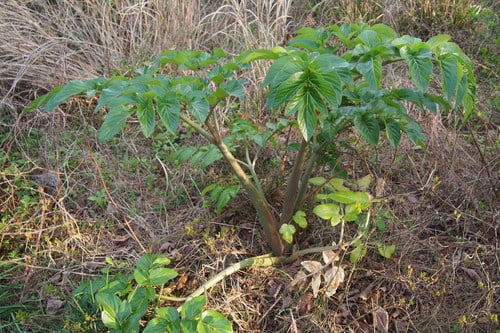
iNaturalist· cc-by-nc
(c) ratzupaltuff, some rights reserved (CC BY-NC), uploaded by ratzupaltuff
Description
Meum athamanticum is a PERENNIAL growing to 0.5 m (1ft 8in) by 0.2 m (0ft 8in). See above for USDA hardiness. It is hardy to UK zone 7 and is not frost tender. It is in flower from June to July, and the seeds ripen from August to September. The species is hermaphrodite (has both male and female organs) and is pollinated by Insects. The plant is self-fertile. Suitable for: light (sandy), medium (loamy) and heavy (clay) soils and prefers well-drained soil. Suitable pH: mildly acid, neutral and basic (mildly alkaline) soils. It cannot grow in the shade. It prefers moist soil.
Edible Uses
Condiment. Root - cooked. Used like parsnips. Leaves - used as a condiment in soups, stews and vegetable dishes. They add a subtle sweetish flavour.
Medicinal Uses
Diuretic Emmenagogue Stomachic. The herb is diuretic, emmenagogue and stomachic.
Distribution
Europe, including Britain, from Norway south and east to Spain, Germany and the Balkans.
Where It Grows
EUROPE: United Kingdom, Austria, Belgium, Switzerland, Czech Republic, Germany, Poland, Ukraine, Albania, Bulgaria, Bosnia and Herzegovina, Croatia, Italy, North Macedonia, Montenegro, Romania, Serbia, Slovenia, Spain, France AFRICA: Morocco
Cultivation
Grows well in almost any fertile well-drained moderately retentive soil in a sunny position. This species was formerly cultivated for its edible root. All parts of the plant, especially the roots, are aromatic with a scent like melilot (Melilotus officinalis).
Propagation
Seed - best sown as soon as it is ripe in a cold frame. Stored seed should be sown as early in the year as possible in a cold frame. Prick out the seedlings into individual pots when they are large enough to handle and plant them out in the summer or the following spring. Division in autumn. Large divisions can be planted out direct into their permanent positions. We have found that it is better to pot up the smaller divisions and grow them on in light shade in a cold frame until they are well established before planting them out in late spring or early summer.