Lythrum salicaria
L.
Purple Loosestrife
iNaturalist· cc-by-sa
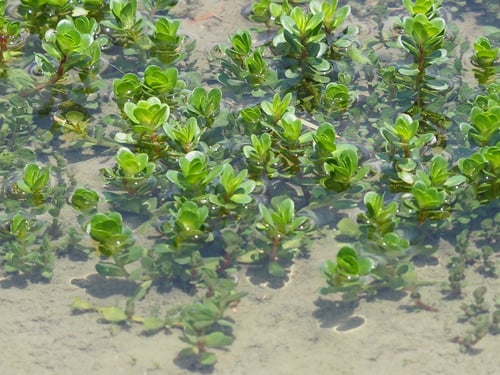
(c) Douglas Goldman, some rights reserved (CC BY-SA), uploaded by Douglas Goldman
iNaturalist· cc-by-nc
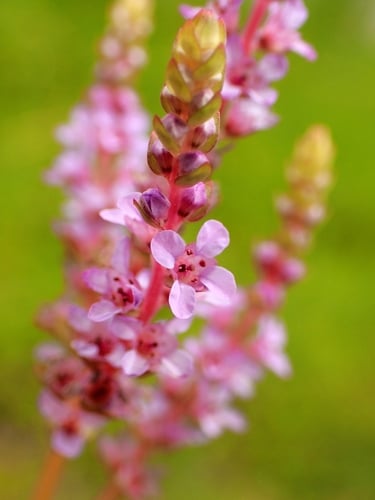
(c) David McCorquodale, some rights reserved (CC BY-NC), uploaded by David McCorquodale
iNaturalist· cc-by-nc
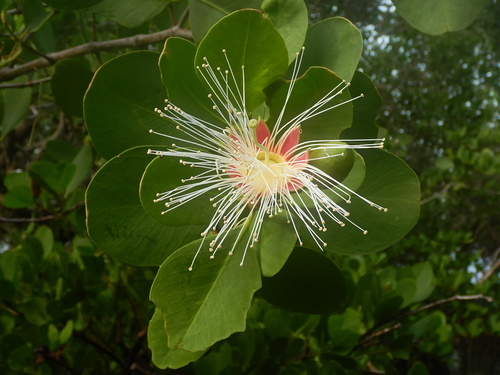
(c) veljmies, some rights reserved (CC BY-NC), uploaded by veljmies
Description
Lythrum salicaria is a PERENNIAL growing to 1 m (3ft 3in) by 0.5 m (1ft 8in) at a fast rate. See above for USDA hardiness. It is hardy to UK zone 3. It is in flower from June to August, and the seeds ripen from August to September. The species is hermaphrodite (has both male and female organs) and is pollinated by Bees, flies. It is noted for attracting wildlife. Suitable for: light (sandy), medium (loamy) and heavy (clay) soils and can grow in heavy clay soil. Suitable pH: mildly acid, neutral and basic (mildly alkaline) soils. It can grow in semi-shade (light woodland) or no shade. It prefers moist or wet soil and can grow in water.
Edible Uses
Colouring. Leaves - cooked. Rich in calcium. Root - cooked. An edible dye is obtained from the flowers.
Medicinal Uses
Antibiotic Antidiarrhoeal Astringent Dysentery Eczema Hypoglycaemic Styptic Vulnerary. Purple loosestrife is an astringent herb that is mainly employed as a treatment for diarrhoea and dysentery. It can be safely taken by people of all ages and has been used to help arrest diarrhoea in breast-feeding babies. It can also be used to treat heavy periods and inter-menstrual bleeding. Modern research has shown the whole plant to be antibiotic and to be particularly effective against the micro-organism that causes typhus. The flowering plant is antibiotic, highly astringent, hypoglycaemic, styptic and vulnerary[4, 7, 9, 21, 152, 218, 238]. It is valued as an intestinal disinfectant, especially in cases of enteritis, an infusion is used internally in the treatment of diarrhoea, internal bleeding, excessive menstruation etc. The flowering plant is harvested in the summer and can be used fresh or dried. Externally, the plant is used as a cleansing and healing wash for wounds, sores, impetigo, eczema, excess vaginal discharge, vaginal itching etc. The powdered plant is used as a haemostatic in cases of severe nosebleeds. The stems are regarded as gum stimulators and are given to children to chew in order to strengthen weak or bleeding gums.
Distribution
Europe, including Britain, south to N. Africa east to western and northern Asia. N. America..
Where It Grows
TEMPERATE ASIA: Afghanistan, Iran, Israel, Jordan, Lebanon, Syria, Turkey, Russian Federation-Ciscaucasia (Ciscaucasia), Armenia, Azerbaijan, Georgia, Russian Federation (Dagestan), Russian Federation-Eastern Siberia (Eastern Siberia), Mongolia, Russian Federation (Primorye, Amur, Sakhalin), China (throughout), Japan (Hokkaidô, Honshu, Kyushu, Shikoku) EUROPE: Denmark, Finland, United Kingdom, Ireland, Norway, Sweden, Austria, Belgium, Switzerland, Czech Republic, Germany, Hungary, Netherlands, Poland, Slovakia, Russian Federation (European part), Belarus, Estonia, Lithuania, Latvia, Moldova, Ukraine (incl. Krym), Albania, Bulgaria, Bosnia and Herzegovina, Greece, Croatia, Italy (incl. Sardinia, Sicily), Montenegro, Romania, Serbia, Slovenia, Spain, France (incl. Corsica), Portugal AFRICA: Algeria, Morocco, Tunisia
Cultivation
Succeeds in ordinary garden soil, especially if it is damp. Prefers a neutral to alkaline soil. Grows well in heavy clay soils. Grows well in marshy soils and succeeds in shallow water at the edges of ponds. Succeeds in full sun or partial shade. A very hardy plant, tolerating temperatures down to at least -25°c. This species can be very invasive and has been declared a noxious weed in some countries. Since being introduced in N. America it has invaded native marshlands, florming large areas of dense stands and crowding out many native species. A very ornamental plant. A good bee and butterfly plant. Plants usually self-sow when well sited. In garden design, as well as the above-ground architecture of a plant, root structure considerations help in choosing plants that work together for their optimal soil requirements including nutrients and water.
Propagation
Seed - sow in the autumn or the spring in a cold frame. When they are large enough to handle, prick the seedlings out into individual pots and plant them out in the summer. If you have sufficient seed it could be worthwhile trying a sowing in situ in the autumn or the spring. Division in March or October. Larger clumps can be replanted direct into their permanent positions, though it is best to pot up smaller clumps and grow them on in a cold frame until they are rooting well. Plant them out in the spring. Basal cuttings in the spring. Harvest the shoots with plenty of underground stem when they are about 8 - 10cm above the ground. Pot them up into individual pots and keep them in light shade in a cold frame or greenhouse until they are rooting well. Plant them out in the summer.
Other Uses
Cosmetic Dye Preservative Tannin TeethA decoction of the plant is impregnated into wood, rope etc to prevent it rotting in water. The leaves contain about 12% tannin, the stems 10.5%, the flowers 13.7% and the roots 8.5%. It is probably these tannins that preserve the wood etc. The powdered plant is used cosmetically in face-packs to counteract reddened skin.