Luffa aegyptiaca
Mill.
Loofah
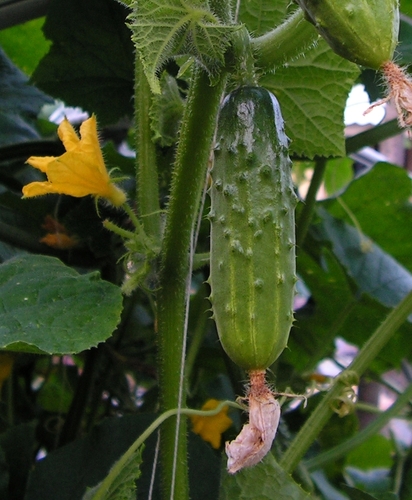
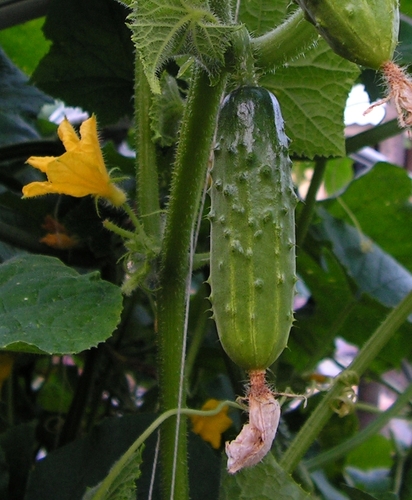
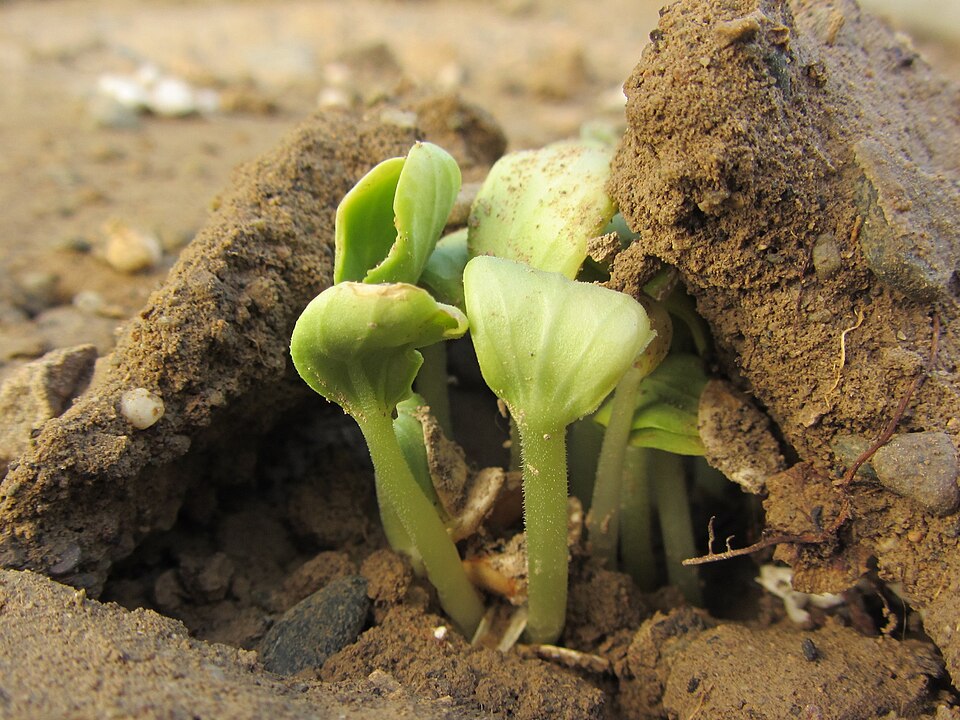
iNaturalist· cc-by
(c) Alexis López Hernández, some rights reserved (CC BY), uploaded by Alexis López Hernández
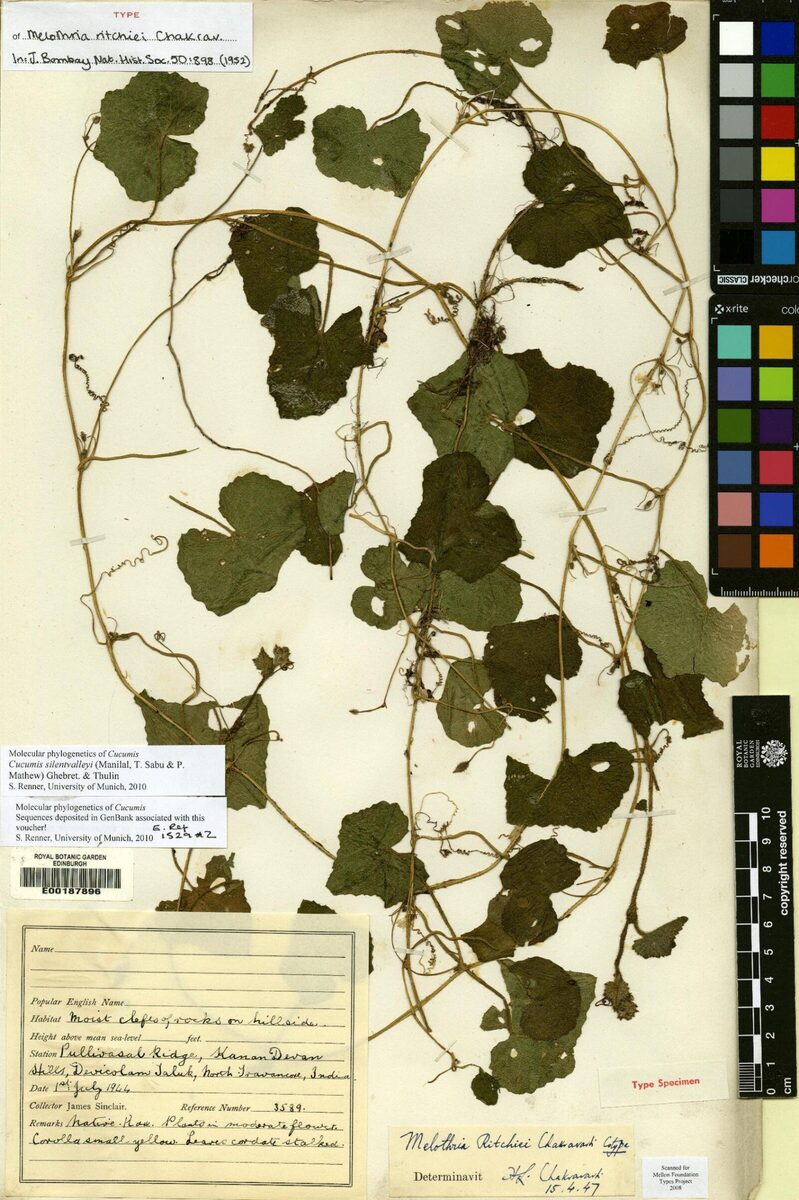
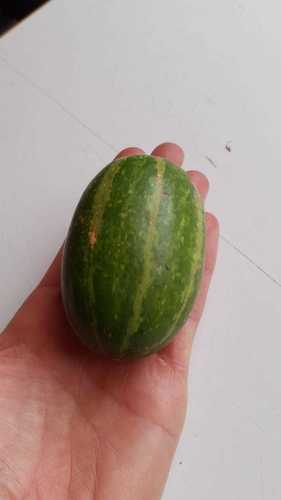
iNaturalist· cc-by-sa
(c) そらみみ, some rights reserved (CC BY-SA)
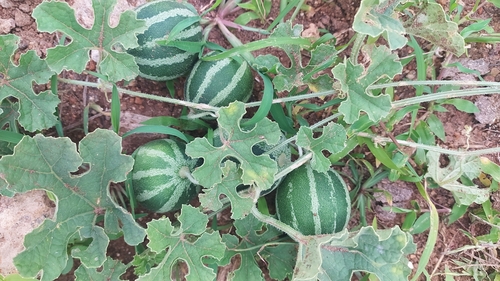
iNaturalist· cc-by-nc
(c) International Institute of Tropical Agriculture, some rights reserved (CC BY-NC)
Description
Luffa aegyptiaca is an evergreen Annual Climber growing to 15 m (49ft) by 0.5 m (1ft 8in) at a fast rate. See above for USDA hardiness. It is hardy to UK zone 10. The flowers are pollinated by Insects. Suitable for: light (sandy), medium (loamy) and heavy (clay) soils, prefers well-drained soil and can grow in nutritionally poor soil. Suitable pH: mildly acid, neutral and basic (mildly alkaline) soils and can grow in very acid and very alkaline soils. It cannot grow in the shade. It prefers moist soil.
Edible Uses
Oil. Fruit - raw or cooked. Young fruits can be eaten in salads like cucumber. They are also used in soups, curries etc. The fruit is best picked young, when about 10cm long, and used like courgettes. Older fruits become fibrous and are bitter and inedible. Young shoots, leaves and flower buds - cooked. Steamed and served with rice. Used in stir-fries. Seed - roasted, salted and eaten as a delicacy. A cooking oil is obtained from the seed.
Medicinal Uses
Antihaemorrhoidal Antirheumatic Astringent Miscellany Skin Stomachic. The loofah is an astringent, pain-killing herb that controls bleeding, promotes healing, improves circulation and milk flow[238. It acts mainly on the lungs, liver and stomach. The fruits are used internally in the treatment of rheumatism, chest pains, backache, orchitis, haemorrhoids, internal bleeding and insufficient lactation. Externally, it is applied to shingles and boils. The dried fruits are used as abrasive sponges in skin care to remove dead skin and stimulate the peripheral circulation.
Distribution
Pantropical, it probably originated in Asia, or perhaps Africa.
Where It Grows
Coming Soon
Cultivation
A plant of the lowland tropics, where it is found at elevations up to 1,000 metres. It can also be grown in subtropical and temperate areas so long as there is a growing season of 4 months or more. It grows best in areas where annual daytime temperatures are within the range 23 - 27°c, but can tolerate 10 - 38°c. It prefers a mean annual rainfall in the range 1,200 - 2,000mm, but tolerates 300 - 3,000mm. Yields can be reduced in areas of heavy rain. Prefers a position in full sun. Plants succeed in poor soils, but fruit best in soils of moderate fertility. Plants are most productive when grown in well-drained soils with a high content of organic matter. Prefers a pH in the range 5.5 - 6.5, tolerating 4.3 - 8.3. Plants can produce their first crop of immature fruits within 2 months from seed. Mature fruits take 3 - 4 months to ripen. Yields of up to 30 - 40 tonnes per hectare, or 20 - 25 fruits per plant, have been recorded. Hand pollination of female flowers in the morning can increase yields. There are some named varieties.
Propagation
Seed - can be sown in situ or in containers. When sowing in containers, place 2 - 3 seeds in each container, thinning to the best plant once they have germinated. Keep the plants growing quickly and plant out once they are 15cm or more tall.
Other Uses
Miscellany Oil Scourer. Other Uses The mature fruit is dried and the fibrous remains used as a skin brush for washing. The sponges are prepared by steeping the mature fruit in running water until the skin and seed contents have been washed away. The dried fruit is also used to make items such as scrubbing pads to clean plates, pots etc; filters; table mats; insoles; sponges; sandals; shock-absorbing materials; and gloves.
Synonyms
Also Known As
Loofah