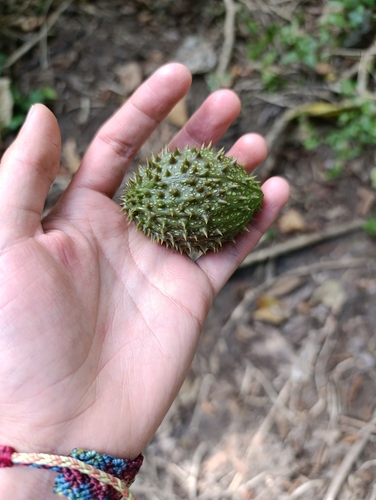
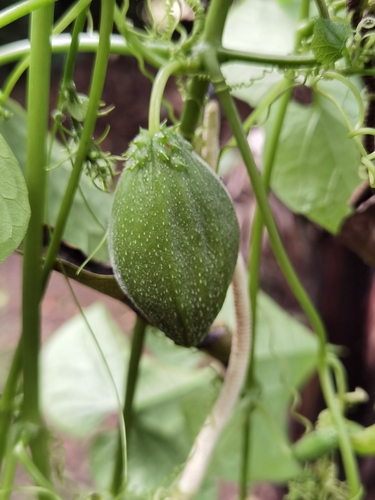
Cucumis sativus var. sikkimensis
Hook. f.
Sikkim cucumber
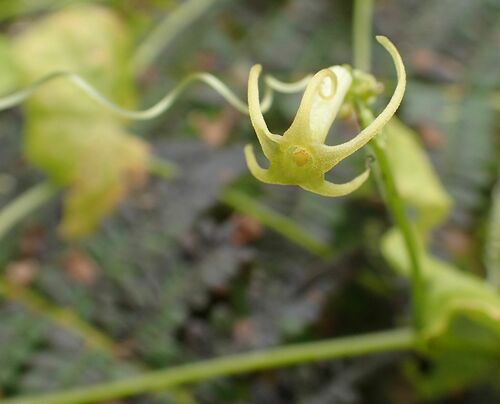
iNaturalist· cc-by-sa
(c) Bff, some rights reserved (CC BY-SA)
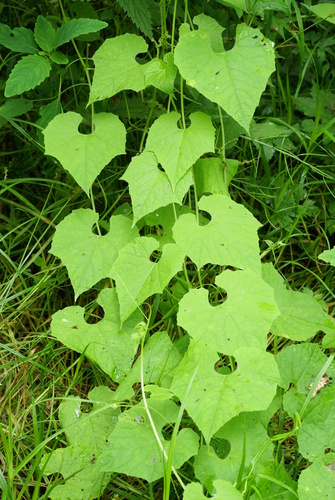
iNaturalist· cc-by-nc
(c) Jennie_B_From_SC, some rights reserved (CC BY-NC), uploaded by Jennie_B_From_SC
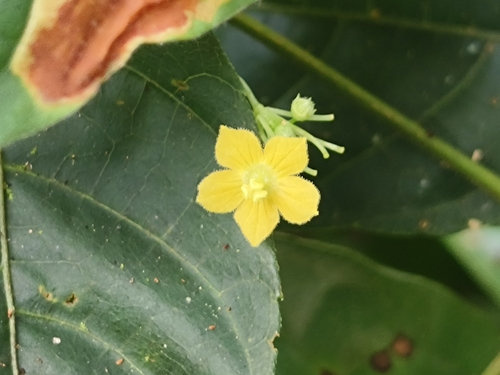
iNaturalist· cc-by
(c) 陈霆, some rights reserved (CC BY)
Description
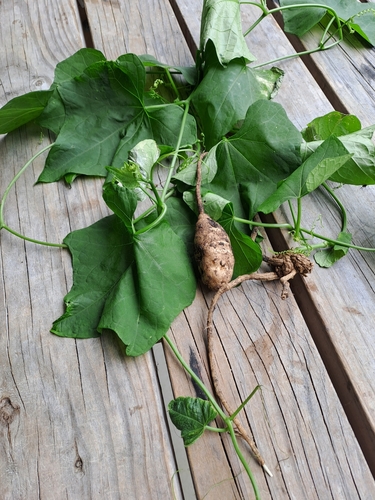
A pumpkin family plant. The fruit are fat and 35 cm long by 15 cm wide. They are reddish brown marked with yellow.
This description is brief — help expand it
Edible Uses
The fruit can be eaten raw or cooked and is commonly used in salads.
Traditional Uses
The fruit can be eaten raw or cooked. They are eaten in salads.
This uses section is brief — help expand it
Distribution
It is a temperate plant. In Nepal it grows between 1,300-1,800 m above sea level.
Where It Grows
Asia, Bhutan, Himalayas, India, Myanmar, Northeastern India, Nepal, SE Asia, Sikkim,
Other Information
It is cultivated.
Notes
There are about 25 Cucumis species.
Also Known As
Bhadaure kankro, Kakra
References (6)
- Arora, R. K., 2014, Diversity in Underutilized Plant Species - An Asia-Pacific Perspective. Bioversity International. p 48
- Bot. Mag. 102: t. 6206. 1876
- Jha, P. K., et al, 1996, Plant genetic resources of Nepal: A guide for plant breeders of agricultural, horticultural and forestry crops. Euphytica 87:189-210
- Kumar, A., et al, 2012, Ethnobotanical Edible Plant Biodiversity of Lepcha Tribes. Indian Forester, 138 (9):798-803
- USDA, ARS, National Genetic Resources Program. Germplasm Resources Information Network - (GRIN). [Online Database] National Germplasm Resources Laboratory, Beltsville, Maryland. Available: www.ars-grin.gov/cgi-bin/npgs/html/econ.pl (10 April 2000)
Show all 6 references Hide references
- Wiersema, J. H. & Leon, B., 2013, World Economic Plants. A Standard Reference CRC Press. 2nd Ed. p 216