Leymus arenarius - (L.)Hochst.
(L.)Hochst.
Lyme Grass, Sand ryegrass
gbif· cc-by
GBIF
gbif· cc-by
GBIF
gbif· cc-by
GBIF
Description
Leymus arenarius is a PERENNIAL growing to 1.2 m (4ft) by 2 m (6ft 7in) at a fast rate. See above for USDA hardiness. It is hardy to UK zone 6 and is not frost tender. It is in flower from May to July, and the seeds ripen from September to October. The species is hermaphrodite (has both male and female organs) and is pollinated by Wind. Suitable for: light (sandy), medium (loamy) and heavy (clay) soils, prefers well-drained soil and can grow in nutritionally poor soil. Suitable pH: mildly acid, neutral and basic (mildly alkaline) soils. It cannot grow in the shade. It prefers dry or moist soil and can tolerate drought. The plant can tolerate maritime exposure.
Edible Uses
Seed - cooked. It can be ground into a flour and used to make bread. A delicious taste but very fiddly to use, the seed is small and hard to extract. When cooked like rice, it can be used as a sweet or savoury dish. Mixed 50/50 with wheat flour it adds a richness to biscuits etc. The protein content of this grain is said to rival that of red beans or salmon. (This report seems somewhat surprising, protein levels are not usually anywhere near that high in a cereal.)
Distribution
Europe, including Britain, from Scandanavia south and east to Spain and Siberia. N. America.
Where It Grows
EUROPE: Denmark, Finland, United Kingdom, Iceland, Norway, Sweden, Belgium, Germany, Netherlands, Russian Federation-European part (European part (north)), Estonia, Lithuania, Latvia, Spain (northwest), France
Cultivation
An easily grown plant, it succeeds in most soils, preferring a sandy soil and a sunny position. Established plants are very drought tolerant. A very invasive plant, spreading by means of its wide-ranging roots. Cultivated in Japan for making mats etc. The Viking settlers of Iceland cultivated this plant until the beginning of the 20th century for its edible seed.
Propagation
Seed - sow mid spring in situ and only just cover the seed. Germination should take place within 2 weeks. If the supply of seed is limited, it can also be sown in mid spring in a cold frame. Only just cover the seed. When large enough to handle, prick the seedlings out into individual pots and plant them out in summer Division in spring or summer. Very easy, larger clumps can be replanted direct into their permanent positions, though it is best to pot up smaller clumps and grow them on in a cold frame until they are rooting well. Plant them out in the spring.
Other Uses
Fibre Soil stabilization Weaving. The leaves are used for making mats, rope, paper etc. The plants have a very extensive root system and so they are often planted near the coast in order to stabilize sand dunes. They can also be used as a ground cover for sandy open spaces but can be invasive.
Synonyms
More from Amaranthaceae
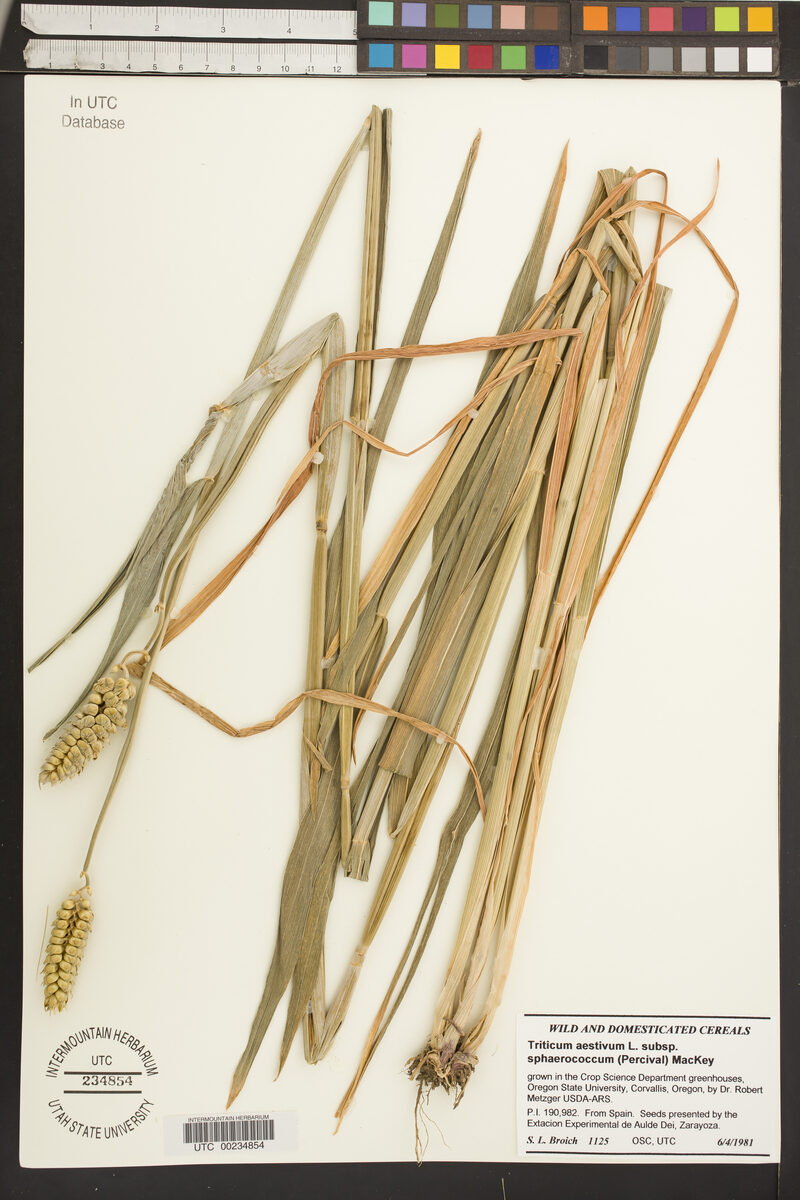
Triticum aestivum sphaerococcum - (Percival)Mackey.
Shot Wheat
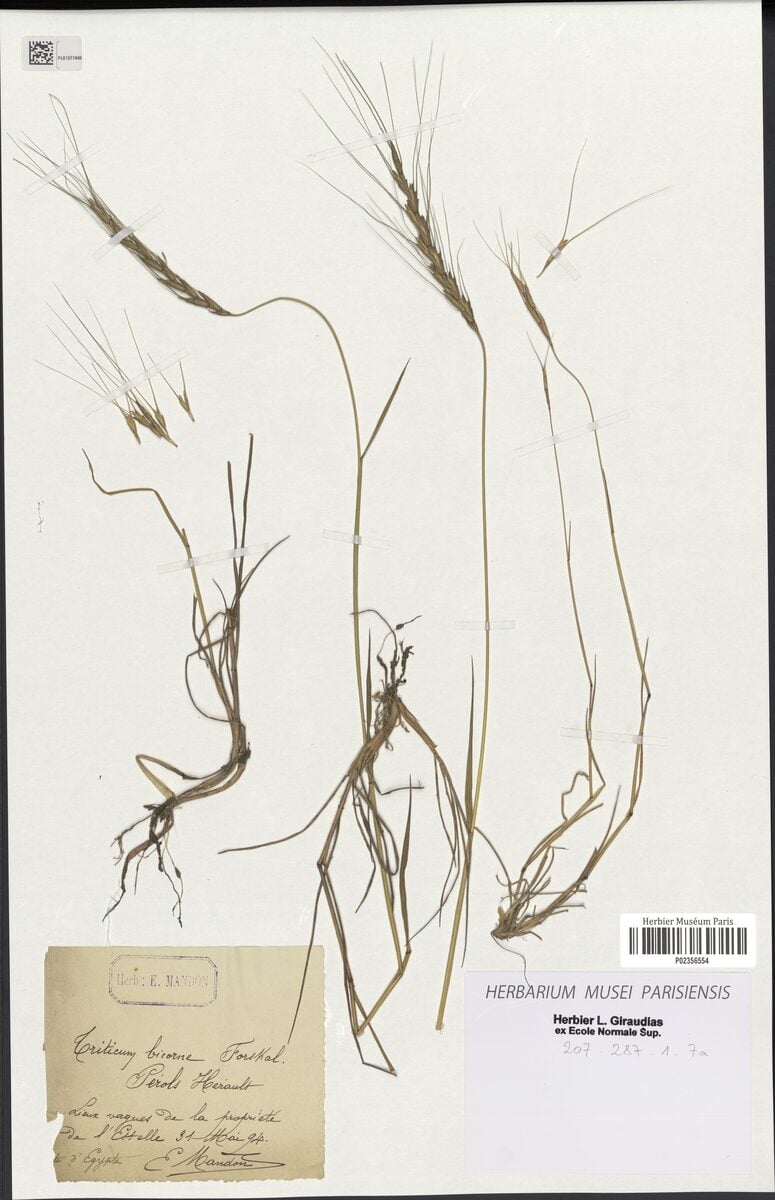
Triticum bicorne
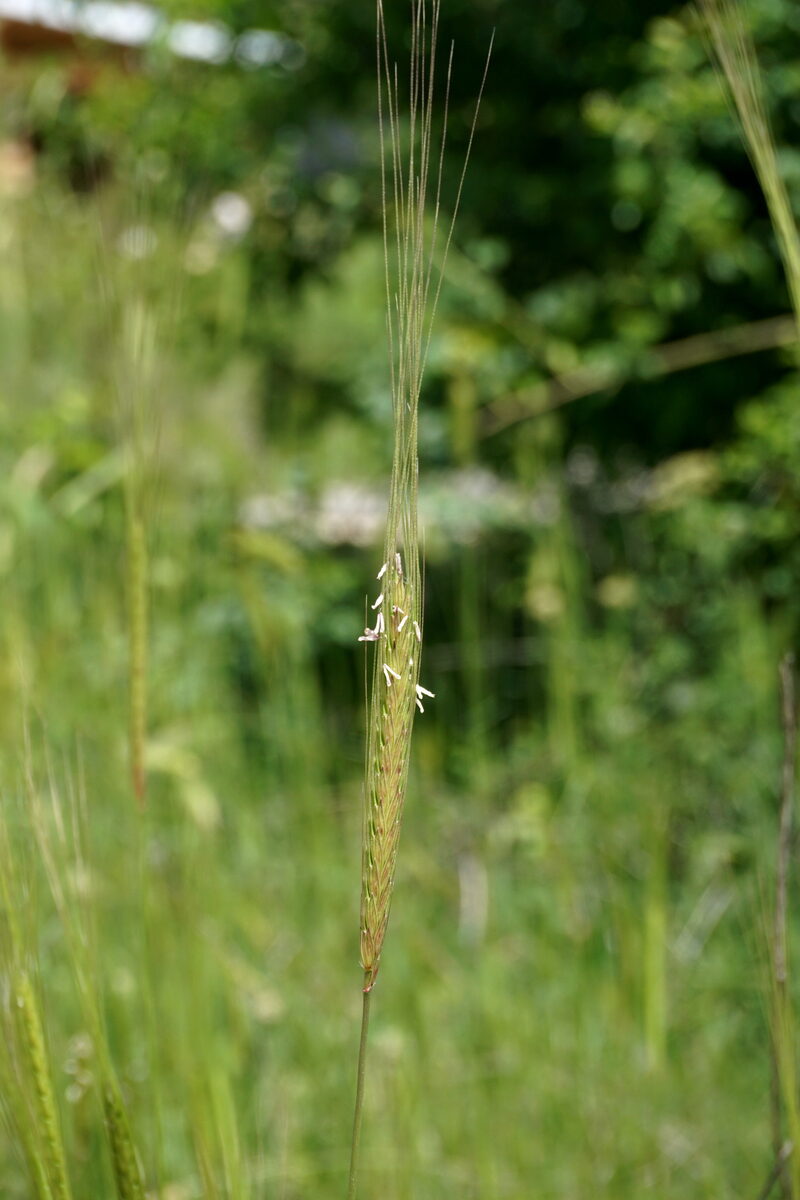
Triticum monococcum aegilopoides - (Link.)Thell.
Wild Einkorn
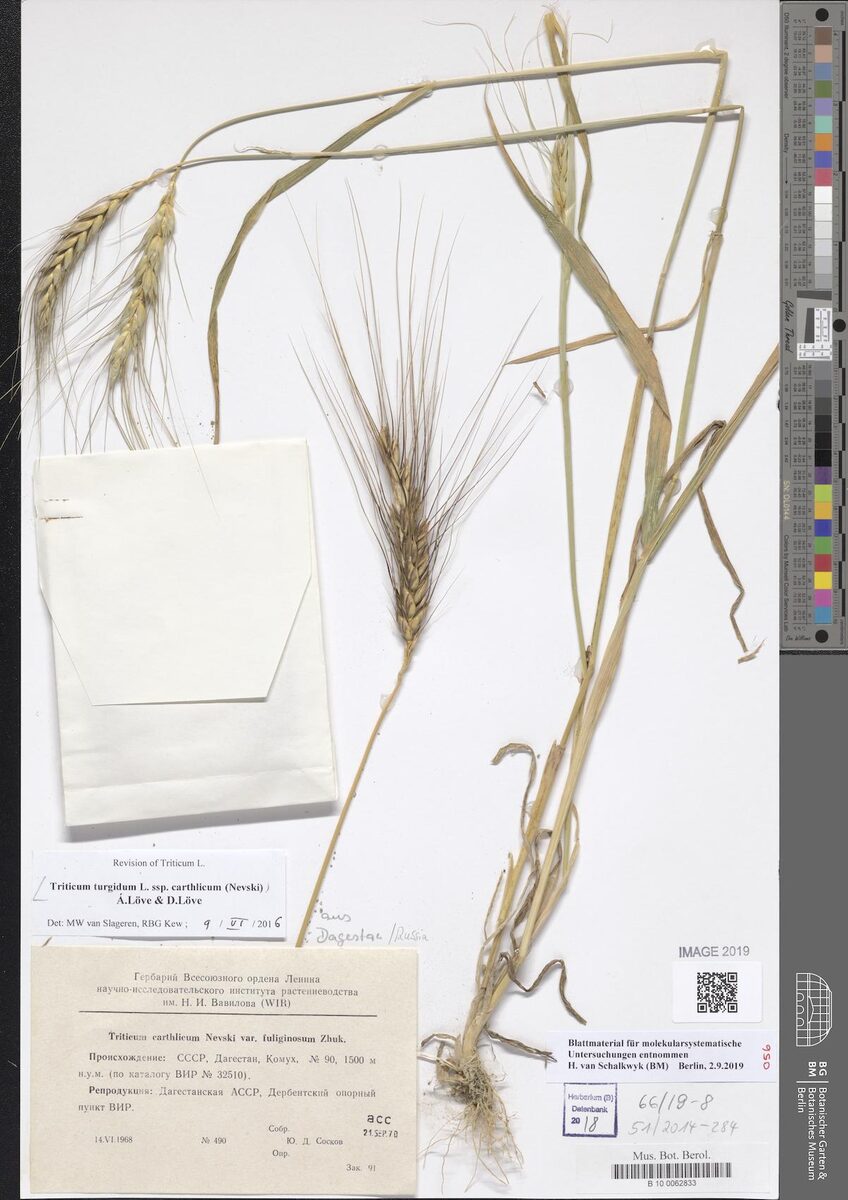
Triticum turgidum carthlicum - (Nevski.)Á.Löve.&D.Löve.
Persian Wheat
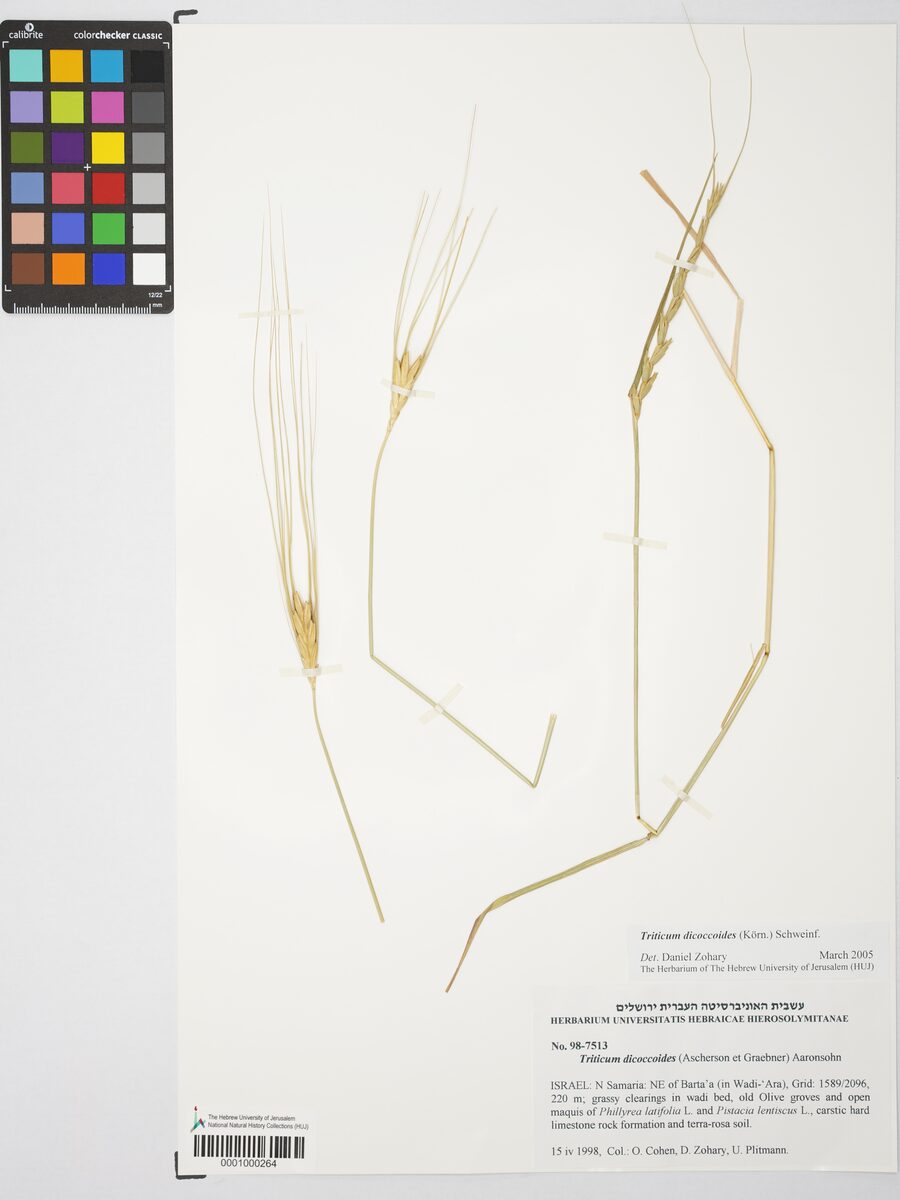
Triticum turgidum dicoccoides - (Körn. ex Asch.&Graebn.)Thell.
Wild Emmer
Triticum turgidum dicoccon - (Schrank.)Thell.
Emmer