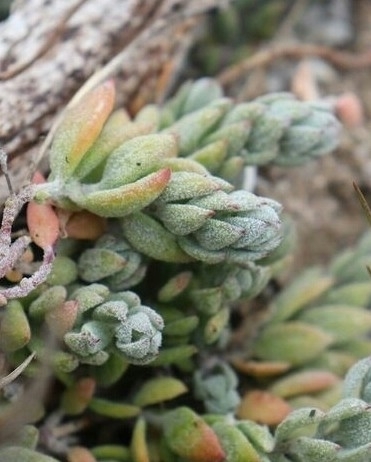
Salicornia maritima
Wolff & Jefferies
Slender glasswort
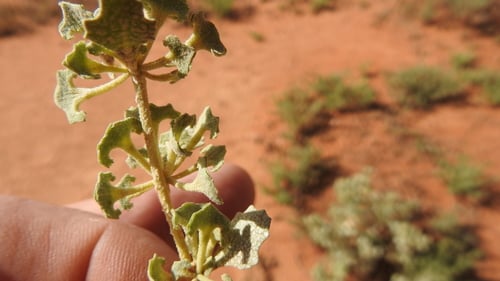
iNaturalist· cc-by-nc
(c) Katie, some rights reserved (CC BY-NC), uploaded by Katie
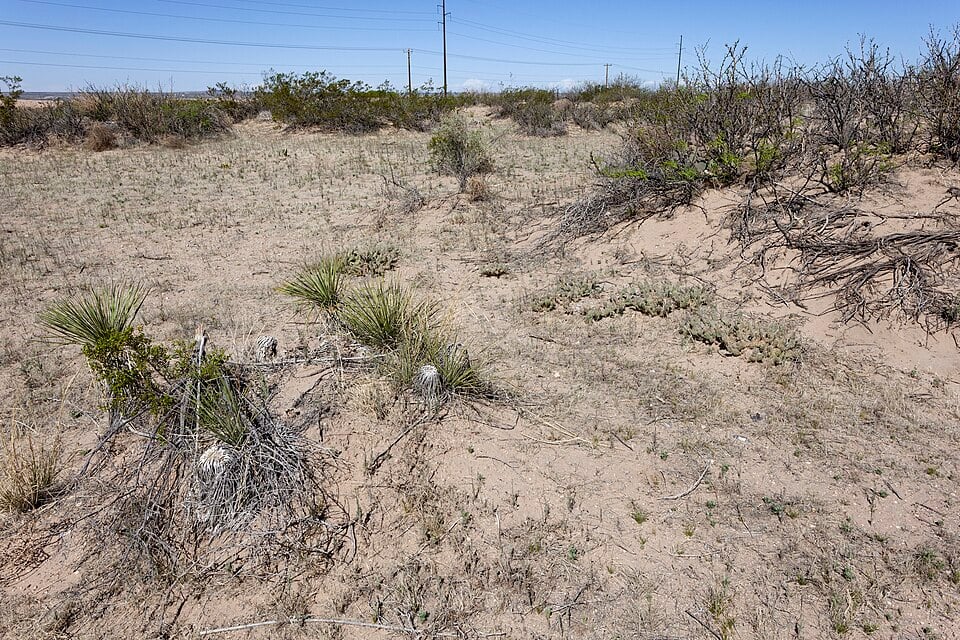
iNaturalist· cc-by-nc
(c) olivergeorge, some rights reserved (CC BY-NC)
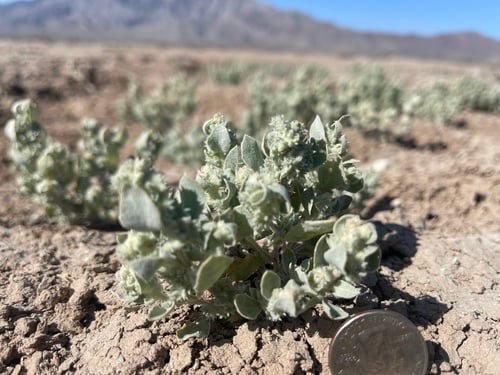
iNaturalist· cc-by-nc
(c) kathleenfspicer, some rights reserved (CC BY-NC)
Summary
Source: WikipediaSalicornia maritima, the sea glasswort or slender glasswort, is a succulent, salt-tolerant plant found along the eastern coast of North America, including Maine and New Brunswick. It produces flowers towards late summer or beginning of fall. This plant is sometimes mistaken for Salicornia depressa.
Description
A fast-growing annual halophyte reaching 0.2 m tall and wide. Wind-pollinated with noted wildlife value. Tolerates light sandy, medium loamy, and heavy clay soils across mildly acidic to basic pH ranges, including saline conditions. Requires full sun and wet soil; can grow in water.
Edible Uses
Young stems and seeds are both edible. The stems are crisp, juicy, and salty, suitable for eating raw or cooked, and are often pickled. The seeds are small but nutritious and were formerly harvested in large quantities by Indigenous groups. Due to their high salt content, stems should be consumed in moderation.
Medicinal Uses
None known.
Distribution
It is a tropical plant.
Where It Grows
Asia, Myanmar, SE Asia,
Cultivation
Habitat & Distribution: Widespread in salt marshes, tidal flats, and saline shores across Eurasia and introduced in North America. Growth & Ecology: Annual, forming extensive mats in saline wetlands. Known for turning bright red in autumn, contributing to the landscape of tidal marshes. Requires saline soils and high sun exposure. Sometimes cultivated as a gourmet vegetable in Europe (“samphire” or “sea asparagus”). 5–30 cm tall, often prostrate or spreading. USDA zones 8–11; frost-sensitive annual. Salicornia maritima (slender/seaside glasswort, sensu lato) Glasswort flowers are tiny, greenish, and tucked into the fleshy joints — classic low-reward, low-showiness morphology. They are primarily wind-pollinated (anemophilous), with a strong capacity for self-pollination/autogamy inside those tight floral cavities. Small flies or other insects may wander over them, but they are not important drivers.
Propagation
Propagated by seed. The plant readily colonises saline mudflats naturally.
Other Uses
Plant ashes have traditionally been used as a source material for making soap and glass. The plant is also used in wetland restoration and erosion control, and its seeds are eaten by ducks and shorebirds.
Notes
Also put in the family Chenopodiaceae.
Synonyms
Also Known As
Seaside or slender glasswort
References (1)
- Moerman, D. F., 2010, Native American Ethnobotany. Timber Press. p 500