Salicornia quinqueflora
Bunge. ex Ung.-Sternb.
Chicken Claws
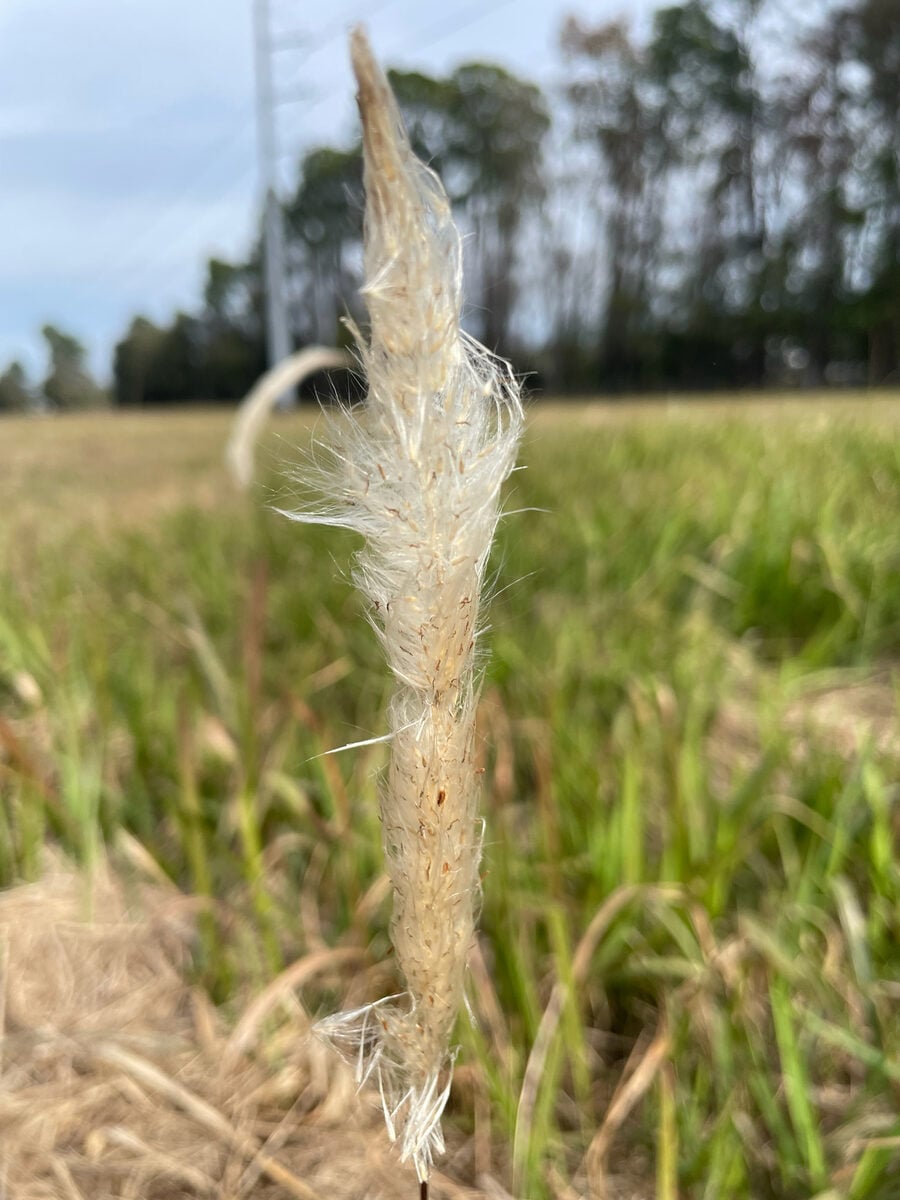
iNaturalist· cc-by-nc
(c) tangatawhenua, some rights reserved (CC BY-NC), uploaded by tangatawhenua
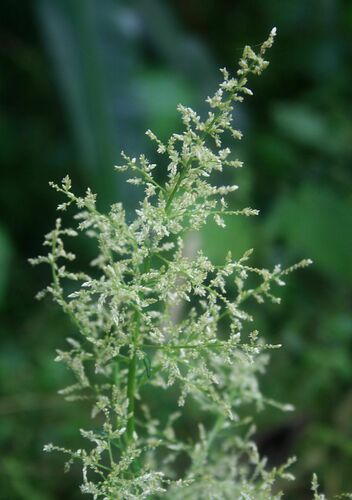
iNaturalist· cc-by-nc
(c) Dave Holland, some rights reserved (CC BY-NC), uploaded by Dave Holland
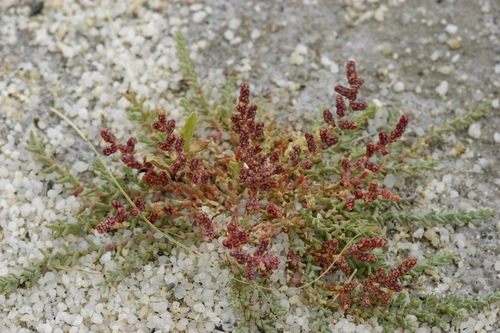
iNaturalist· cc-by-nc
(c) Dean Beaver, some rights reserved (CC BY-NC), uploaded by Dean Beaver
Description
Salicornia quinqueflora is a . The species is hermaphrodite (has both male and female organs). Suitable for: light (sandy), medium (loamy) and heavy (clay) soils. Suitable pH: mildly acid, neutral and basic (mildly alkaline) soils and can grow in saline soils. It can grow in semi-shade (light woodland) or no shade. It prefers moist soil. The plant can tolerate maritime exposure.
Edible Uses
Young shoots - raw or cooked. A salty taste. Used mainly as a pickle. Each stem has a fibrous woody core that makes the plant much less appealing as a vegetable or pickle.
Distribution
Australia - New South Wales, Queensland, Tasmania, Victoria. New Zealand.
Where It Grows
AUSTRALASIA: Australia (New South Wales, Queensland, South Australia, Victoria, Western Australia, Lord Howe Island)
Cultivation
We have very little information on this species and do not know if it will be hardy in Britain, though judging by its native range it is unlikely succeed outdoors in any but the mildest parts of the country. The plants native habitat will give some idea of its cultivation needs.
Propagation
Seed - we have no information for this species but suggest sowing the seed as soon as it is ripe if this is possible, otherwise in spring, in a greenhouse in a light sandy compost. When they are large enough to handle, prick the seedlings out into individual pots and plant them out in the summer. Division might be possible in the spring.
Other Uses
Cleanser Potash. The ashes obtained from burning this plant are rich in potash and are used in making soap or glass]. The ashes can also be used as a soap for cleaning fabrics.