Leucanthemum vulgare
Lam.
Ox-Eye Daisy, Marguerite
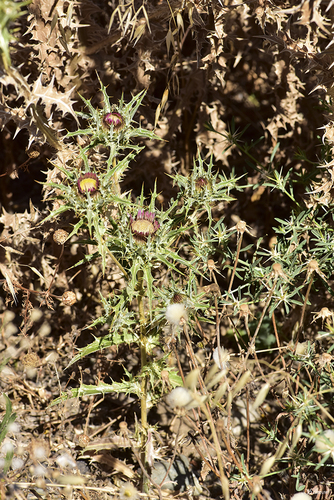
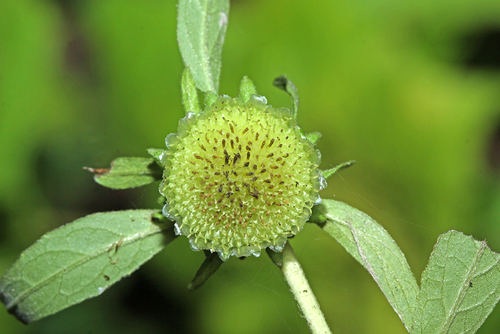
iNaturalist· cc-by-nc
(c) Kat, some rights reserved (CC BY-NC), uploaded by Kat
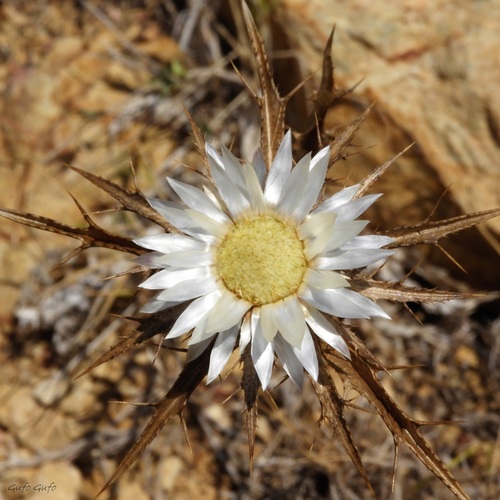
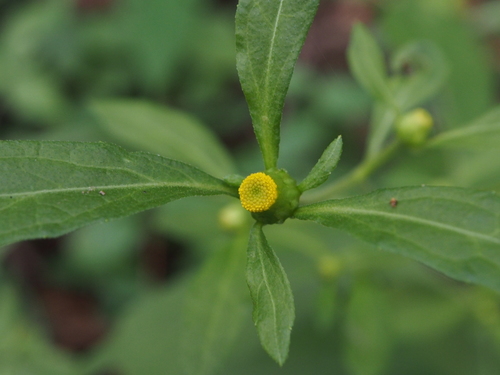
iNaturalist· cc-by-nc
(c) Ben Zerante, some rights reserved (CC BY-NC), uploaded by Ben Zerante
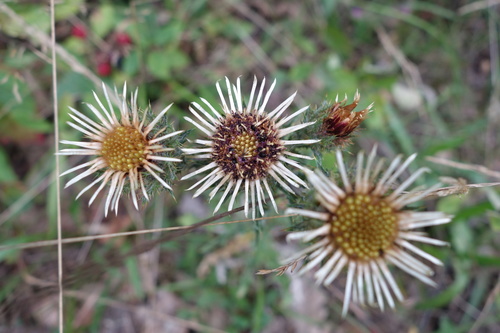
iNaturalist· cc-by-nc
(c) Séraphin Poudrier, some rights reserved (CC BY-NC), uploaded by Séraphin Poudrier
Description
Leucanthemum vulgare is a PERENNIAL growing to 0.6 m (2ft) at a medium rate. See above for USDA hardiness. It is hardy to UK zone 3 and is not frost tender. It is in flower from June to August. The species is hermaphrodite (has both male and female organs) and is pollinated by Bees, flies, beetles, Lepidoptera (Moths & Butterflies). The plant is self-fertile. Suitable for: light (sandy), medium (loamy) and heavy (clay) soils and prefers well-drained soil. Suitable pH: neutral and basic (mildly alkaline) soils. It cannot grow in the shade. It prefers moist soil. The plant can tolerates strong winds but not maritime exposure.
Edible Uses
Leaves - raw or cooked. The young spring shoots are finely chopped and added to salads. Rather pungent, they should be used sparingly or mixed with other salad plants. Root - raw. Used in spring.
Medicinal Uses
Antispasmodic Antitussive Diaphoretic Diuretic Emmenagogue Tonic Vulnerary. The whole plant, and especially the flowers, is antispasmodic, antitussive, diaphoretic, diuretic, emmenagogue, tonic and vulnerary. It is harvested in May and June then dried for later use. The plant has been employed successfully in the treatment of whooping cough, asthma and nervous excitability. Externally it is used as a lotion on bruises, wounds, ulcers and some cutaneous diseases. A decoction of the dried flowers and stems has been used as a wash for chapped hands. A distilled water made from the flowers is an effective eye lotion in the treatment of conjunctivitis.
Distribution
Europe, including Britain, from Lapland south and east to the Mediterranean and Siberia.
Where It Grows
TEMPERATE ASIA: Armenia EUROPE: United Kingdom, Ireland, Austria, Belgium, Switzerland, Czech Republic, Germany, Hungary, Poland, Slovakia, Russian Federation (European part), Belarus, Estonia, Lithuania, Latvia, Moldova, Ukraine (incl. Krym), Bosnia and Herzegovina, Greece, Croatia, Italy, North Macedonia, Montenegro, Serbia, Slovenia, France, Portugal
Cultivation
Easily grown in a good garden soil in a sunny position. Prefers a rich soil. Plants are hardy to at least -20°c. The whole plant is permeated with an acrid juice, making it obnoxious to insects. The flowers have a smell like stale perspiration. Grows well in the summer meadow but may need some help in maintaining itself. In garden design, as well as the above-ground architecture of a plant, root structure considerations help in choosing plants that work together for their optimal soil requirements including nutrients and water.
Propagation
Seed - sow spring in a greenhouse. When they are large enough to handle, prick the seedlings out into individual pots and plant them out in the summer. Division in spring or autumn. Larger clumps can be replanted direct into their permanent positions, though it is best to pot up smaller clumps and grow them on in a cold frame until they are rooting well. Plant them out in the spring. Basal cuttings in spring. Harvest the shoots when they are about 10cm long with plenty of underground stem. Pot them up into individual pots and keep them in light shade in a cold frame or greenhouse until they are rooting well. Plant them out in the summer.
Other Uses
Groundcover and Specialist Nectary.