Helichrysum arenarium
(L.) Moench
Everlasting flower
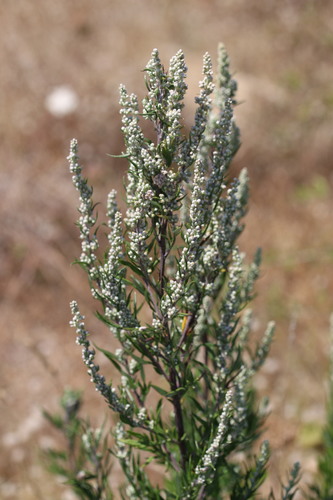
iNaturalist· cc-by-nc
(c) adippe, some rights reserved (CC BY-NC)
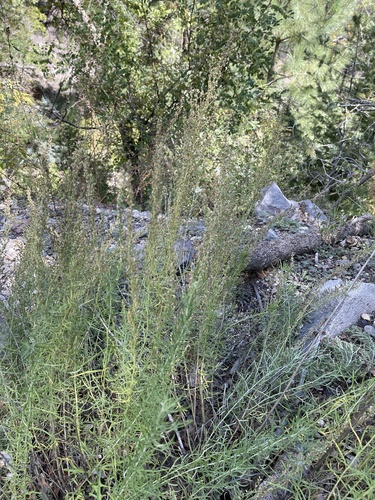
iNaturalist· cc-by-nc
(c) Станислав, some rights reserved (CC BY-NC)
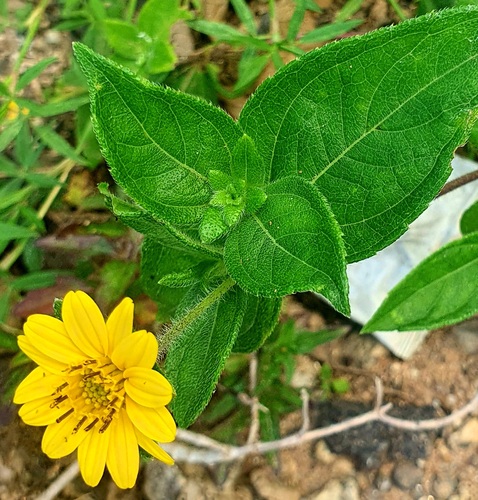
iNaturalist· cc-by-nc-nd
(c) Brendan Cole, some rights reserved (CC BY-NC-ND), uploaded by Brendan Cole
Summary
Source: WikipediaHelichrysum arenarium is also known as dwarf everlast, and as immortelle.
Description
A herb. It keeps growing from year to year. The rhizome is woody. It grows 10-60 cm tall. It forms clusters. There can be a few or many flowering stems.
Edible Uses
None known.
Traditional Uses
The yellow flowers are dried and added to herbal tea for colour. The leaves are dried for tea.
This uses section is brief — help expand it
Medicinal Uses
The fresh or dried flowers, or the entire flowering herb, are cholagogue, diuretic, and stomachic, and are used to treat skin conditions. An infusion is used in treating gall bladder disorders and as a diuretic for conditions including rheumatism and cystitis. A homeopathic remedy made from the flowering plant is used for gall bladder disorders and lumbago.
Distribution
It is a temperate plant. In western China it grows on grassy slopes between 400-2,400 m above sea level.
Where It Grows
Asia, Balkans, Belarus, Bulgaria, Central Asia, China, Europe, Kazakhstan, Kyrgyzstan, Lithuania, Luxembourg, Mongolia, Russia, Slovenia, Turkey, Türkiye, Ukraine,
Propagation
Sow seed in February or March in a greenhouse. Germination usually occurs within 2–3 weeks at 20°C. When seedlings are large enough to handle, prick them out into individual pots and grow on in the greenhouse for at least their first winter. Plant out into permanent positions in late spring or early summer, after the last expected frosts.
Other Uses
None known.
Other Information
Plants are sold in local markets.
Notes
There are about 500 Helichrysum species.
Synonyms
Also Known As
Altimotu, Paryavsam, Peščeni smilj, Puren
References (11)
- Dogan, Y., & Nedelcheva, A., 2015, Wild plants from open markets on both sides of the Bulgarian-Turkish border. Indian Journal of Traditional Knowledge. Vol. 14(3): 351-358
- Ertug, F., 2000, An Ethnobotanical Study in Central Anatolia (Turkey). Economic Botany Vol. 54. No. 2. pp. 155-182
- Ertug, F, Yenen Bitkiler. Resimli Türkiye Florası -I- Flora of Turkey - Ethnobotany supplement
- Facciola, S., 1998, Cornucopia 2: a Source Book of Edible Plants. Kampong Publications, p 39
- INFOODSUpdatedFGU-list.xls
Show all 11 references Hide references
- Methodus 575. 1794
- Pieroni, A. & Soukand, R., 2018, Forest as Stronghold of Local Ecological Practice: Currently Used Wild Food Plants in Polesia, Northern Ukraine. Economic Botany, XX(X) pp. 1-21
- Prakofjewa, J., et al, 2023, Boundaries Are Blurred: Wild Food Plant Knowledge Circulation across the Polish-Lithuanian-Belarusian Borderland. Biology 2023, 12, 571.
- Shikov, A. N. et al, 2017, Traditional and Current Food Use of Wild Plants Listed in the Russian Pharmacopoeia. Frontiers in Pharmacology. Vol. 8 Article 841
- Soukand, R., et al, 2017, Multi-functionality of the few: current and past uses of wild plants for food and healing in Liubań region, Belarus. Journal of Ethnobiology and Ethnomedicine (2017) 13:10
- Urgamal, M., Oyuntsetseg, B., Nyambayar, D. & Dulamsuren, Ch. 2014. Conspectus of the vascular plants of Mongolia. (Editors: Sanchir, Ch. & Jamsran, Ts.). Ulaanbaatar, Mongolia. “Admon“ Press. 334pp. (p. 199-230).