Helianthus strumosus
L.
Paleleaf Woodland Sunflower
iNaturalist· cc-by-nc
(c) Mark Kluge, some rights reserved (CC BY-NC), uploaded by Mark Kluge
iNaturalist· cc-by
(c) Daniel J. Layton, some rights reserved (CC BY), uploaded by Daniel J. Layton
iNaturalist· cc-by-nc
(c) Derek S. Anderson, some rights reserved (CC BY-NC), uploaded by Derek S. Anderson
Description
Helianthus strumosus is a PERENNIAL growing to 2 m (6ft 7in). See above for USDA hardiness. It is hardy to UK zone 4. It is in flower from September to October. The species is hermaphrodite (has both male and female organs) and is pollinated by Bees, flies. Suitable for: light (sandy), medium (loamy) and heavy (clay) soils and prefers well-drained soil. Suitable pH: mildly acid, neutral and basic (mildly alkaline) soils. It cannot grow in the shade. It prefers moist soil.
Edible Uses
Root. No more details but it is probably used raw or cooked like the Jerusalem artichoke.
Medicinal Uses
Anthelmintic PectoralA decoction of the roots has been used to get rid of worms in both adults and children. An infusion of the roots has been used in the treatment of lung problems.
Distribution
N. America - Quebec to N. Dakota, south to Arkansas and Oklahoma.
Where It Grows
NORTHERN AMERICA: Canada (Québec (south), Ontario (south)), United States (Connecticut, Indiana, Maine, Massachusetts, Michigan, New Hampshire, New Jersey, New York, Ohio, Pennsylvania, Rhode Island, Vermont, West Virginia, Illinois, Iowa, Kansas (east), Minnesota, Missouri, North Dakota, Oklahoma (east), Wisconsin, Alabama, Arkansas, Delaware, Florida (north), Georgia, Kentucky, Louisiana, Maryland, Mississippi, North Carolina, South Carolina, Tennessee, Virginia, District of Columbia, Texas)
Cultivation
Succeeds in most soils in a sunny position. Requires a rich soil. Dislikes shade. Prefers a moist soil. The young growth is extremely attractive to slugs, plants can be totally destroyed by them. Members of this genus are rarely if ever troubled by browsing deer or rabbits. Plants have a running root system and can be invasive.
Propagation
Seed - sow spring in a cold frame. When they are large enough to handle, prick the seedlings out into individual pots and grow them on in the greenhouse for their first winter. Plant them out into their permanent positions in late spring or early summer, after the last expected frosts. Division in spring or autumn. Very easy, larger clumps can be replanted direct into their permanent positions, though it is best to pot up smaller clumps and grow them on in a cold frame until they are rooting well. Plant them out in the spring.
More from Asteraceae
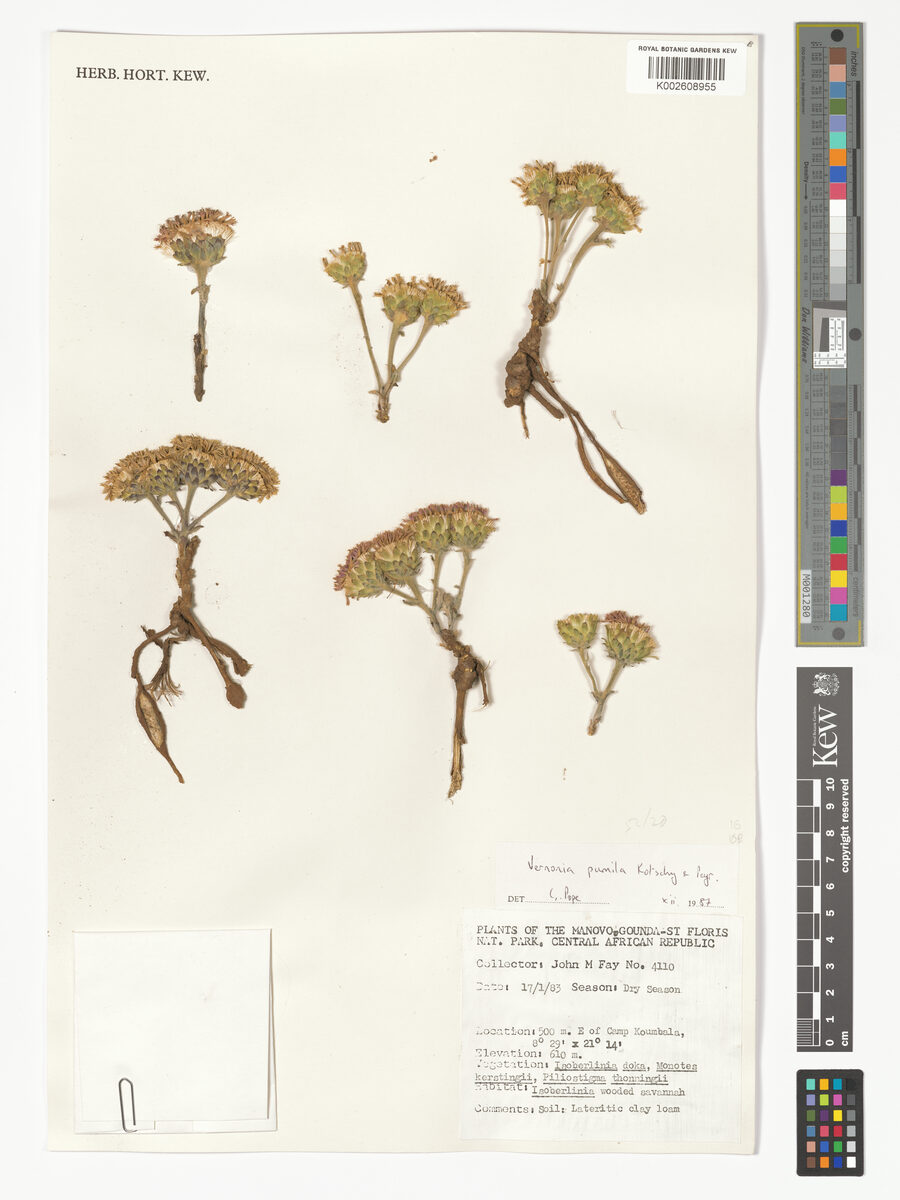
Baccharoides pumila
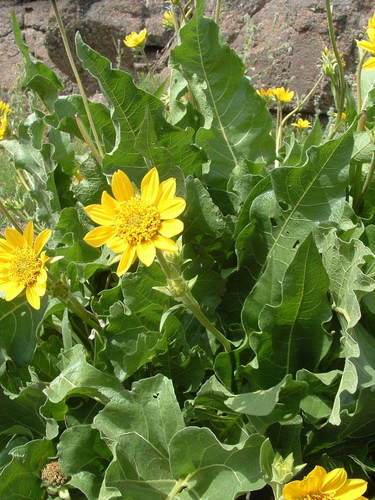
Balsamorhiza deltoidea
Deltoid balsamroot, Puget balsam-root
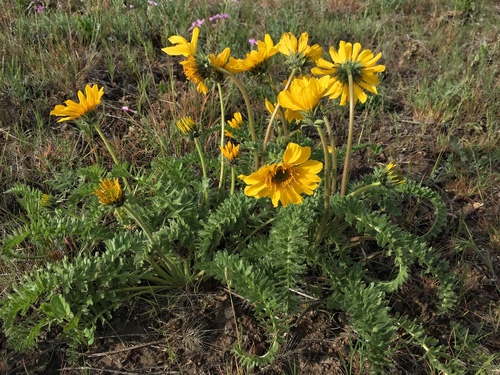
Balsamorhiza hookeri
Balsam root, Hairy Balsamroot, Hooker's Balsamroot, Rabbithead Balsamroot
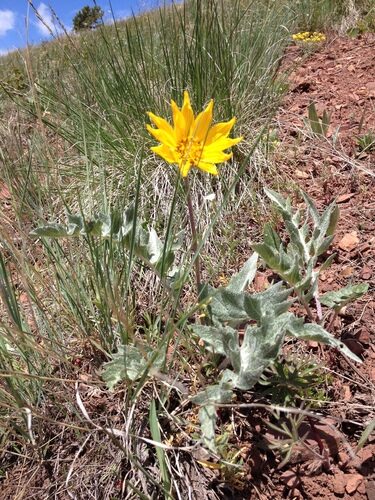
Balsamorhiza incana
Hoary Balsamroot
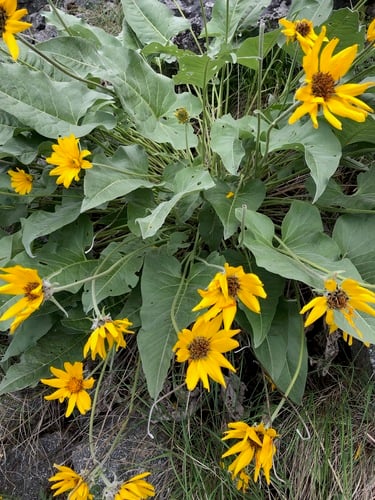
Balsamorhiza sagittata
Oregon Sunflower, Arrowroot balsamroot, Breadroot, Grey dock, Arrowleaf balsam-root
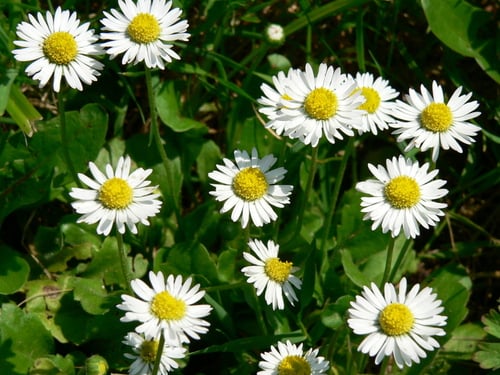
Bellis perennis
Daisy, Lawn Daisy, English Daisy