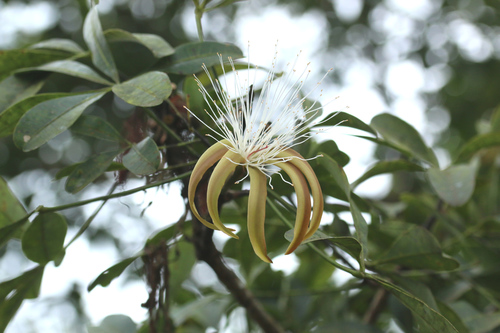
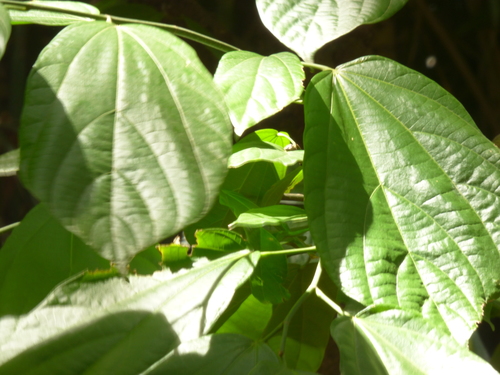
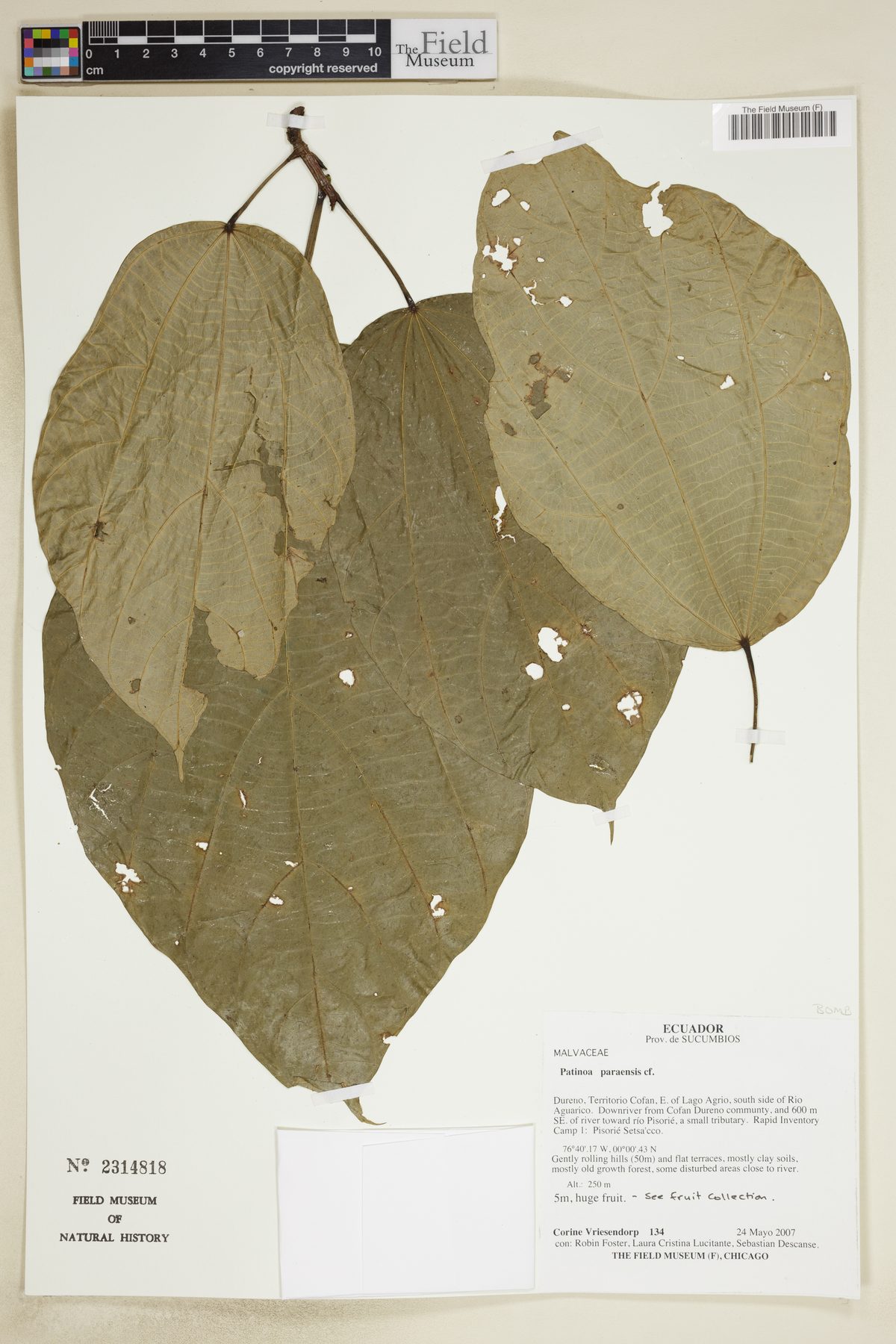
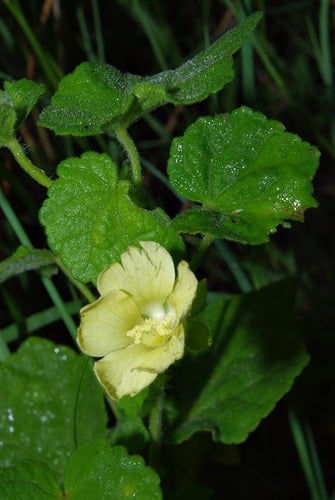
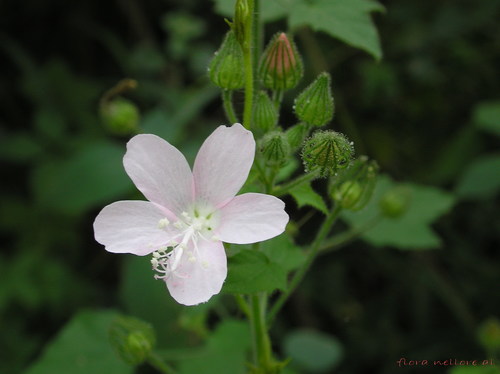
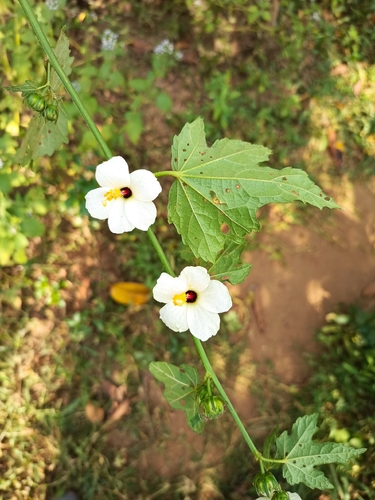
Lavatera plebeia
Sims.
Lavatera
gbif· cc-by-nc
Washington State University Marion Ownbey Herbarium (WS-)
gbif· cc-by-nc
Washington State University Marion Ownbey Herbarium (WS-)
gbif· cc-by
Royal Botanic Gardens, Kew
Description
Lavatera plebeia is a ANNUAL/PERENNIAL growing to 1.5 m (5ft). The species is hermaphrodite (has both male and female organs) and is pollinated by Insects. Suitable for: light (sandy), medium (loamy) and heavy (clay) soils and prefers well-drained soil. Suitable pH: mildly acid, neutral and basic (mildly alkaline) soils. It cannot grow in the shade. It prefers dry or moist soil.
Edible Uses
Young leaves - raw or cooked. Root - raw or cooked. A parsnip-like consistency.
Medicinal Uses
Poultice. The leaves are used as a poultice.
Distribution
Australia - New South Wales, Victoria.
Where It Grows
AUSTRALASIA: Australia (Tasmania, South Australia, Victoria, Western Australia)
Cultivation
We have very little information on this species and do not know if it will be hardy in Britain. In Australian gardens it succeeds in most soils in a warm sunny position. The following notes are based on the general needs of the genus. Easily grown in any ordinary garden soil. Prefers a light well-drained moderately fertile soil in full sun. A soil that is too rich encourages foliar growth at the expense of flowering.
Propagation
Seed - sow spring in a greenhouse. When they are large enough to handle, prick the seedlings out into individual pots and plant them out in early summer.
Other Uses
FibreA strong fibre obtained from the stems is used for making string, bags, paper etc.