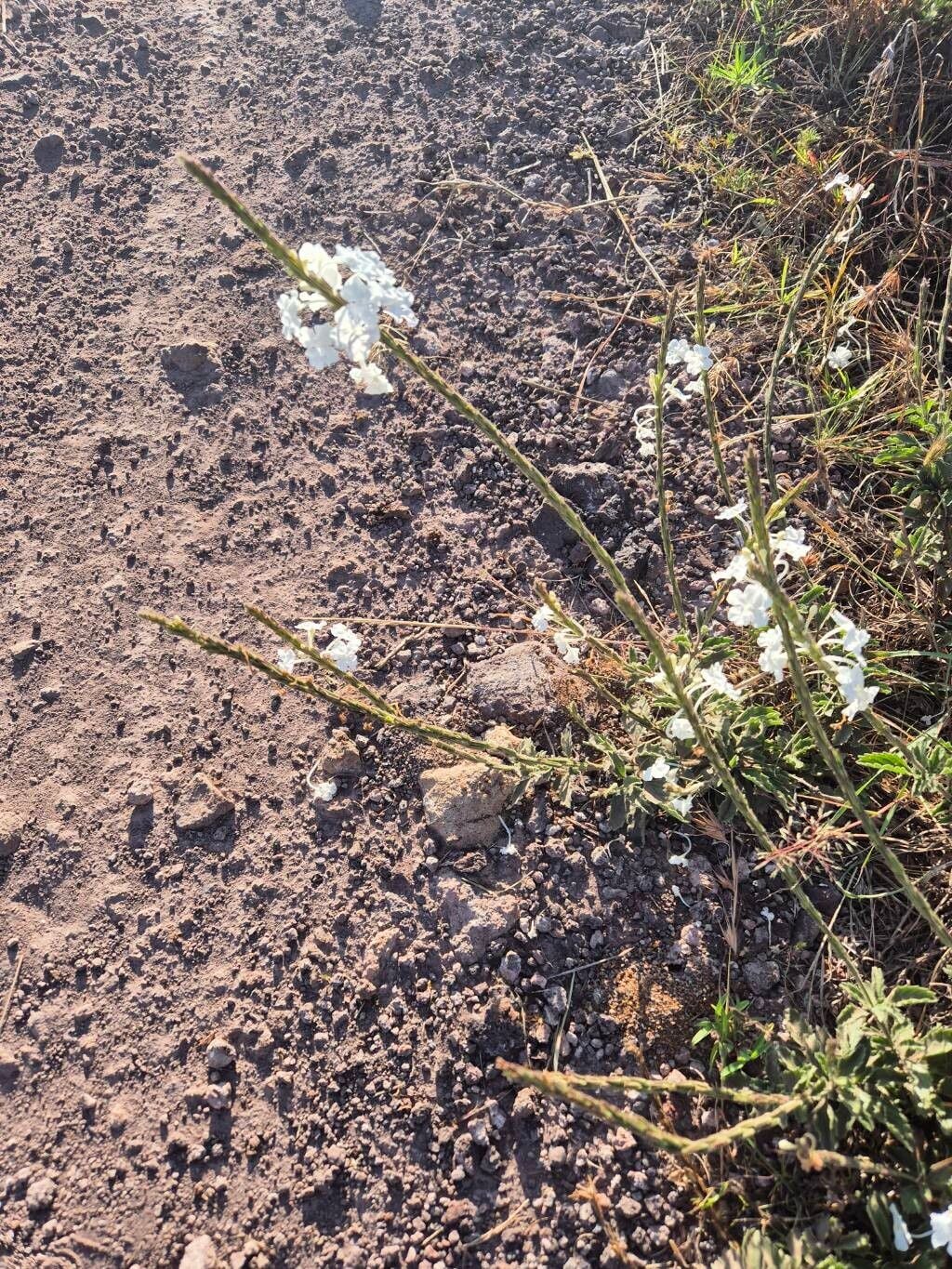
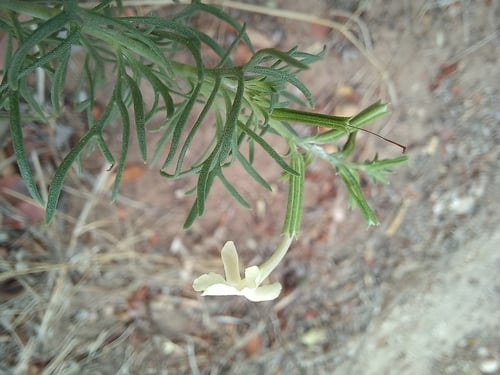
Lantana camara
L.
Wild Sage, Lantana Verbena
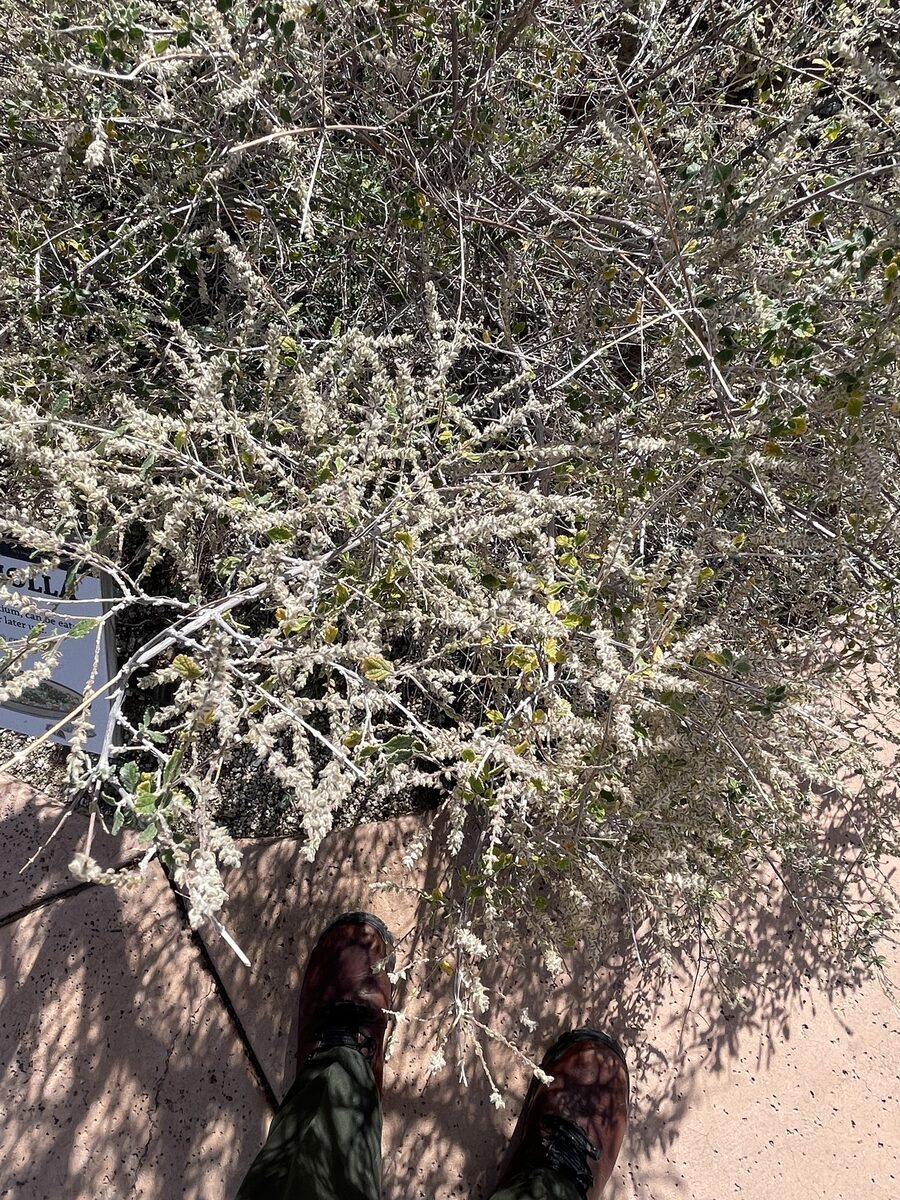
iNaturalist· cc0
由 Dave Brown 所上傳的 不保留任何權利
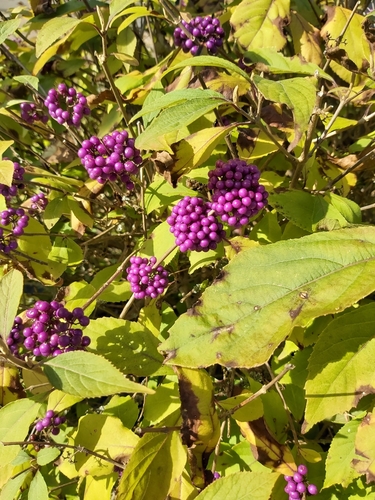
iNaturalist· cc-by-nc
由 Bill Lucas 所上傳的 (c) Bill Lucas,保留部份權利CC BY-NC
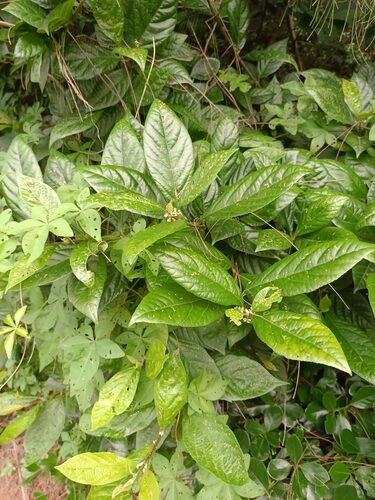
iNaturalist· cc-by-nc
由 Russell Barrett 所上傳的 (c) Russell Barrett,保留部份權利CC BY-NC
Description
Lantana camara is an evergreen Shrub growing to 1.8 m (6ft) by 1.8 m (6ft) at a fast rate. See above for USDA hardiness. It is hardy to UK zone 9. The flowers are pollinated by Butterflies, Insects. Suitable for: light (sandy), medium (loamy) and heavy (clay) soils, prefers well-drained soil and can grow in nutritionally poor soil. Suitable pH: mildly acid, neutral and basic (mildly alkaline) soils and can grow in very acid soils. It can grow in semi-shade (light woodland) or no shade. It prefers dry moist or wet soil.
Edible Uses
Tea. The aromatic leaves are used to make a tea. The ripe black fruits are eaten in handfuls, especially by children as a snack. The sweet tasting drupaceous, fleshy, ovoid fruits are purple or black when fully ripe and about 5 mm long. Some reports mention the toxicity of the unripe fruits.
Medicinal Uses
Antiasthmatic Antibacterial Antidermatosic Antifungal Antiinflammatory Antiphlogistic Antipyretic Antirheumatic Antiseptic Antitumor Aromatic Diaphoretic Eczema Febrifuge Haemostatic Laxative Leprosy Malaria Odontalgic Pectoral Poultice Refrigerant Skin Stimulant Tonic Vulnerary. The plant is often used in domestic medicine and research carried out mainly in India has shown it to contain a number of compounds with medicinal activity. The leaves contain 0.2% of an essential oil. Extracts have shown antimicrobial, fungicidal, insecticidal and nematicidal activity. The dried flowers contain 0.07% essential oil comprised mainly of caryophyllene-like bicyclic terpene (80%) and l,a-phellandrene (10-12%). The bark contains lantanine, 0.08%. Verbascoside, which possesses antimicrobial, immunosuppressive and antitumor activities, has been isolated from the plant. Lantanoside, linaroside and camarinic acid have been isolated and are being investigated as potential nematocides. Lantana essential oil is sometimes used for the treatment of skin itches, as an antiseptic for wounds, and externally for leprosy and scabies. It is applied as a poultice on rheumatic joints. The root is sweet and bitter tasting, refrigerant, antifebrile. A decoction is used to treat influenza, cough, mumps, incessant high fever, malaria, cervical lymph node tuberculosis, asthma, toothache, headache, inflammation, gonorrhoea and leucorrhoea. The flowers are sweet tasting, mildly cooling and haemostatic. A decoction of the dried flowers is used in the treatment of haemoptysis and pulmonary tuberculosis. The leaves are aromatic with a minty taste, they have a cooling nature, are antiphlogistic, anti-dermatosic, diaphoretic, febrifuge, pectoral, stimulant, tonic and vulnerary[46 , 310 , 348 , 360 ]. An infusion of the leaves and flowering tops is used in the treatment of fevers, constipation, tuberculosis, catarrh and bronchitis. Combined with the leaves of Cymbopogon citratus, they are used as an infusion to treat colds, high blood pressure and malarial fever. Externally, the leaves and stems are used as a wash to treat dermatitis, eczema, pruritus, measles and chickenpox rashes etc. They are applied as a poultice to treat sprains, wounds and contusions. As a douche, they are used to treat inflammations of the uterus. A decoction of the bark is used as a treatment for fevers.
Known Hazards
The leaves and seeds are toxic. The unripe, green berries cause vomiting, diarrhoea, dilated pupils and laboured respiration if ingested. The leaves may cause dermatitis. (All parts of plant are poisonous if ingested )
Distribution
Northern S. America - Venezuela and Colombia, through Central America to Mexico and the Caribbean.
Where It Grows
NORTHERN AMERICA: Mexico (Baja California (Norte), Baja California Sur, Chihuahua, Coahuila de Zaragoza, Durango, Nuevo León, San Luis Potosí, Sinaloa, Sonora, Tamaulipas, Zacatecas, Aguascalientes, Campeche, Chiapas, Ciudad de México, Colima, Guanajuato, Guerrero, Hidalgo, Jalisco, México, Michoacán de Ocampo, Morelos, Nayarit, Oaxaca, Puebla, Querétaro, Quintana Roo, Tabasco, Tlaxcala, Veracruz de Ignacio de la Llave, Yucatán) SOUTHERN AMERICA: Hispaniola, Bahamas, Cuba, Jamaica, United States (Puerto Rico), Central America, Venezuela, Colombia
Cultivation
Grows in a wide variety of habitats in the tropical and subtropical zones. Under temperate climes, it has been, and still is, widely used as a glasshouse ornamental and a pot plant. It has succeeded in areas where the annual rainfall is around 750mm, though is then usually found along creek lines. It is also found in tropical areas receiving 3,000mm of rainfall per year, provided that the soils are sufficiently well drained. The plant is tolerant of high temperatures, but seldom occurs where temperatures frequently fall below 5°c. Some varieties can withstand minor frosts, provided these are infrequent; prolonged freezing temperatures kill aerial woody branches and cause defoliation. Succeeds in a wide range of soils, preferably well-drained. Succeeds in poor soils. Grows well in dry areas but also present in wetter habitats. Grows best in open, unshaded situations, but tolerates moderate shade. Locally becoming an aggressive and pernicious weed. This thorny shrub forms dense understorey vegetation that crowds out and inhibits establishment of other species. Allelopathic substances are produced by shoots and roots which inhibit germination and growth of other plants. The plant is apt to form dense thickets, spreads very quickly, with one plant producing as many as 12,000 seeds a year. At some sites, infestations have been so persistent that they have completely stalled the regeneration of rainforest for three decades. Plants respond well to cutting back, able to resprout even from severe and repeated cutting back. The plants can tolerate all but the hottest forest fires, quickly resprouting from the base. Stems and leaves emit an unpleasant aroma when crushed. The scent is similar to blackcurrants. Flowering Time: Early summer, Early fall, Early spring, Early winter, Late summer, Late fall, Late spring, Late winter, Mid summer, Mid fall, Mid spring, Mid winter (Blooms repeatedly). Bloom Color: Orange, Pink, Red, Salmon, White, Yellow (Pink Magenta (Pink-Purple) Red Orange Bright Yellow Purple ) (red, orange, yellow). Spacing: 36-48 in. (90-120 cm).
Propagation
Seed - Cuttings
Other Uses
Biomass Essential Fencing Fodder Fuel Fungicide Hedge Herbicide Houseplant Insecticide Insecticide Mulch Paper Soil stabilization Teeth. Agroforestry Uses: The plant has an extensive root system and is often planted for erosion control. The plant responds well to trimming and is often grown as a hedge. In parts of East Africa, in locations where it is not weedy, it has effectively been used as a live fence. In some mountainous areas (e.g. in Tanzania and India) the presence of L. camara was once considered a good ground cover preventing erosion. The plant provides an abundance of organic matter which can be used as mulch material. Other Uses: The use of lantana extracts as potential biocides has been suggested. For example, aqueous leachate at 1 - 3% can kill water hyacinth, a troublesome weed in many tropical countries. Its application as a herbicide would depend on the size of the water bodies being treated and the cost of extraction of the leachate. Leaf extracts have strong insecticidal and antimicrobial activity, for example, storing potatoes, Solanum tuberosum, with leaves of L. camara almost eliminates damage by the potato tuber moth Phthorimaea operculella. The stems of lantana, if treated by the sulphate process, can be used to produce pulp for paper suitable for writing and printing. However it is hard to harvest, so is likely to be uneconomical. The roots of lantana contain a substance that may possibly be used for rubber manufacture, although the economic viability of production has not been examined. The plant is utilized as firewood. The twigs and stems serve as useful fuel for cooking and heating in many developing countries, although it is less important than other fuel sources such as windrows, woodlots or natural bush. Straw from L. camara mixed with dung for biogas production. Fodder. Seeds as a source of food for lambs. Ornamental. Pot plant.
Synonyms
Also Known As
Wild Sage, Lantana Verbena, Shrub Sage, Yellow Sage, Abelwinyo, Aruppu, Dieng-sohpang-khlieh, Galphusia, Ghaneri, Imomwa-ajele, Jerenga, Jhurmuta, Kamkung, Latina, Magwagwa, Masino kanda, Maviamkuku, Mbarapati, Mjasasa, Mshomoro, Mushomoro, Pakakrong, Red sage bush, Tantani, Tek-tagwari, Ubuhobe besukhiwa, Uni, Wild sage, Yeregna genfo, aripple, bahama tea, bandera española, caburá caá, camará, camará de dos colores, cambara, cambará, chumbinho, cinco negritos, english sage bush, hierba de cristo, lantana, lantanier, largeleaf lantana, masino kanda, polung, qi jie mei, red sage bush, shrub verbena|gandapana / rata hinguru, siete negritos, sitaji phul, sudu gandapana, thangbua, utywala bentaka, west indian lantana, wild sage, wood sage, yellow sage, yerba de la cruz.