Callicarpa japonica
Thunb.
Beautyberry, Japanese callicarpa, Japanese Beautyberry
iNaturalist· cc-by-nc
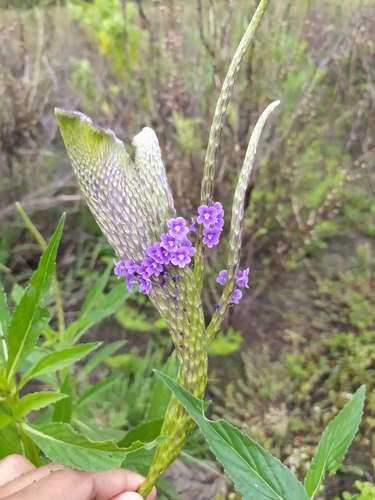
(c) amygoog, some rights reserved (CC BY-NC)
iNaturalist· cc-by-nc
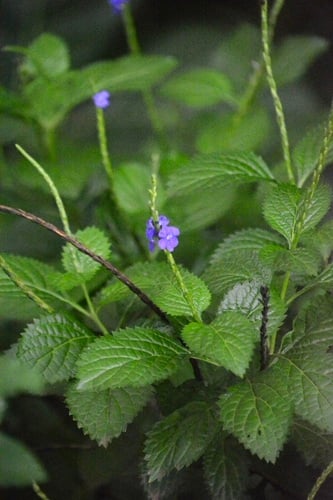
(c) sophialin970, some rights reserved (CC BY-NC)
iNaturalist· cc-by
(c) Licheng Shih, some rights reserved (CC BY), uploaded by Licheng Shih
Description
Callicarpa japonica is a deciduous Shrub growing to 2 m (6ft 7in) at a medium rate. It is in flower in August, and the seeds ripen in October. The species is hermaphrodite (has both male and female organs). Suitable for: light (sandy), medium (loamy) and heavy (clay) soils and prefers well-drained soil. Suitable pH: mildly acid, neutral and basic (mildly alkaline) soils. It can grow in semi-shade (light woodland) or no shade. It prefers moist soil.
Edible Uses
Tea. The leaves are a tea substitute.
Distribution
E. Asia - China, Japan, Manchuria..
Where It Grows
TEMPERATE ASIA: China (Anhui Sheng, Guizhou Sheng, Hebei Sheng, Hubei Sheng (west), Hunan Sheng, Jiangsu Sheng, Jiangxi Sheng, Liaoning Sheng, Shandong Sheng, Sichuan Sheng (east), Zhejiang Sheng), Korea, Japan (Hokkaidô, Honshu, Kyushu, Ryukyu Islands, Shikoku), Taiwan
Cultivation
Requires a sunny position or light dappled shade. Prefers a highly fertile well-drained loamy soil. This species is only really hardy in the milder parts of Britain, requiring a warm sunny corner, though some forms should prove to be hardier. A very ornamental and polymorphic species. Requires cross-pollination for good fruit production. Plants in this genus are notably resistant to honey fungus.
Propagation
Seed - sow February in a greenhouse. Only just cover the seed. Germination usually takes place within 1 - 3 months at 18°c. When large enough to handle, prick the seedlings out into individual pots and grow them on in the greenhouse for at least their first winter, planting them out into their permanent positions in late spring or early summer, after the last expected frosts. Cuttings of half-ripe wood 10cm long, July/August in a frame. High percentage. Cuttings of mature wood of the current season's growth with a heel taken in early spring.