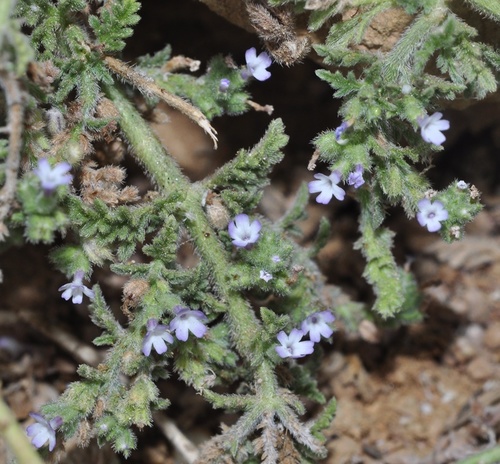
Chascanum incisum
(H. Pearson) Moldenke
iNaturalist· cc-by-nc
(c) lynnestone17, some rights reserved (CC BY-NC)
iNaturalist· cc-by-nc
(c) jambobwana, some rights reserved (CC BY-NC)
Description
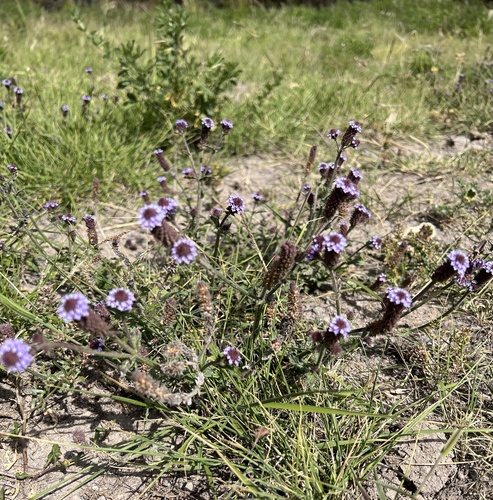
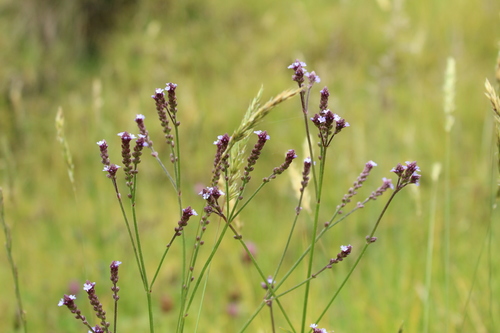
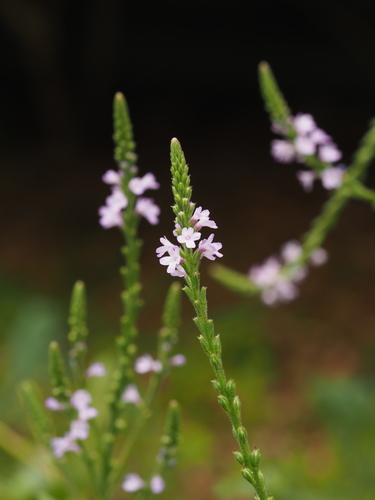
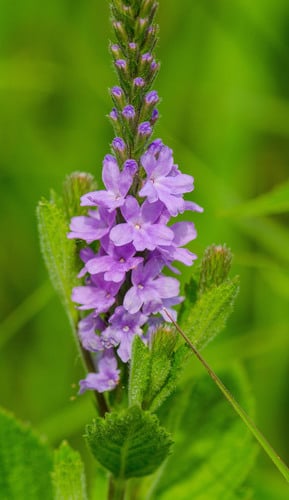
A small shrub. It has many branches. It grows 50 cm tall. It is woody at the base. The stems are stout and angular with white hairs. The leaves are opposite and overlap at the base. They are deeply lobed and dark green. They are hairy and the stalks are slender. The flowers are trumpet shaped and do not have stalks. They are 15-20 mm long and white or pale yellow. The fruit is oblong and hard. It separates into 2 single seeded sections. The seeds are narrow.
Edible Uses
The leaves are boiled as a spinach.
Traditional Uses
The leaves are boiled as a spinach.
This uses section is brief — help expand it
Distribution
It is a subtropical plant. It grows in sandy areas.
Where It Grows
Africa, Botswana, Eswatini, South Africa, Southern Africa, Swaziland,
Synonyms
Also Known As
Seratatane
References (5)
- Fox, F. W. & Young, M. E. N., 1982, Food from the Veld. Delta Books. p 360
- Long, C., 2005, Swaziland's Flora - siSwati names and Uses http://www.sntc.org.sz/flora/
- Plowes, N. J. & Taylor, F. W., 1997, The Processing of Indigenous Fruits and other Wildfoods of Southern Africa. in Smartt, L. & Haq. (Eds) Domestication, Production and Utilization of New Crops. ICUC p 188
- Ruiters-Welcome, A. K., 2019, Food plants of southern Africa. Ph.D. thesis. Univ. of Johannesburg p 106
- Welcome, A. K. & Van Wyk, B.-E., 2019, An inventory and analysis of the food plants of southern Africa. South African Journal of Botany 122 (2019) 136–179