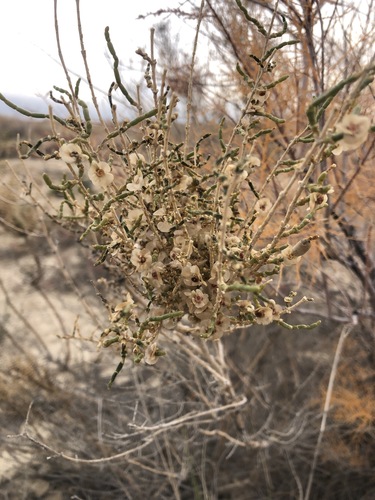
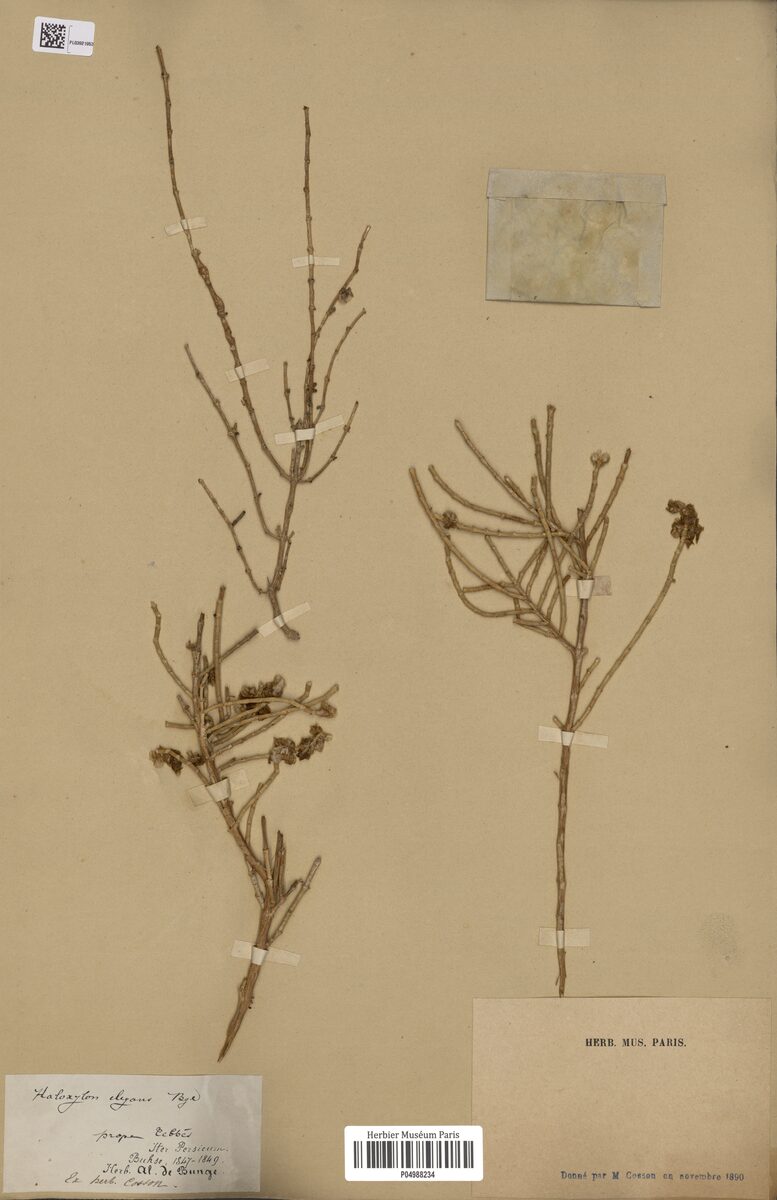
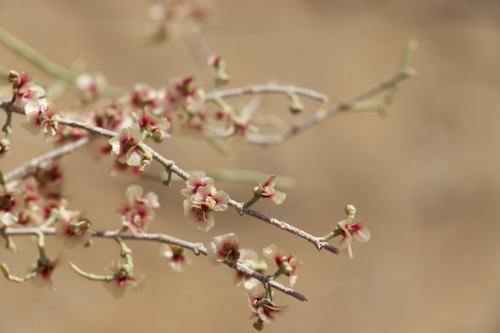
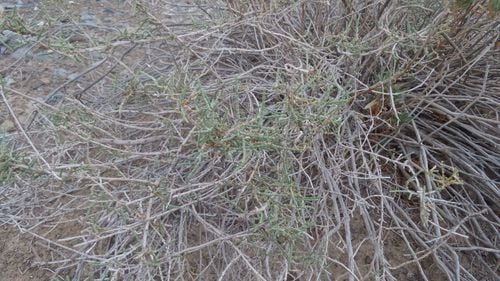
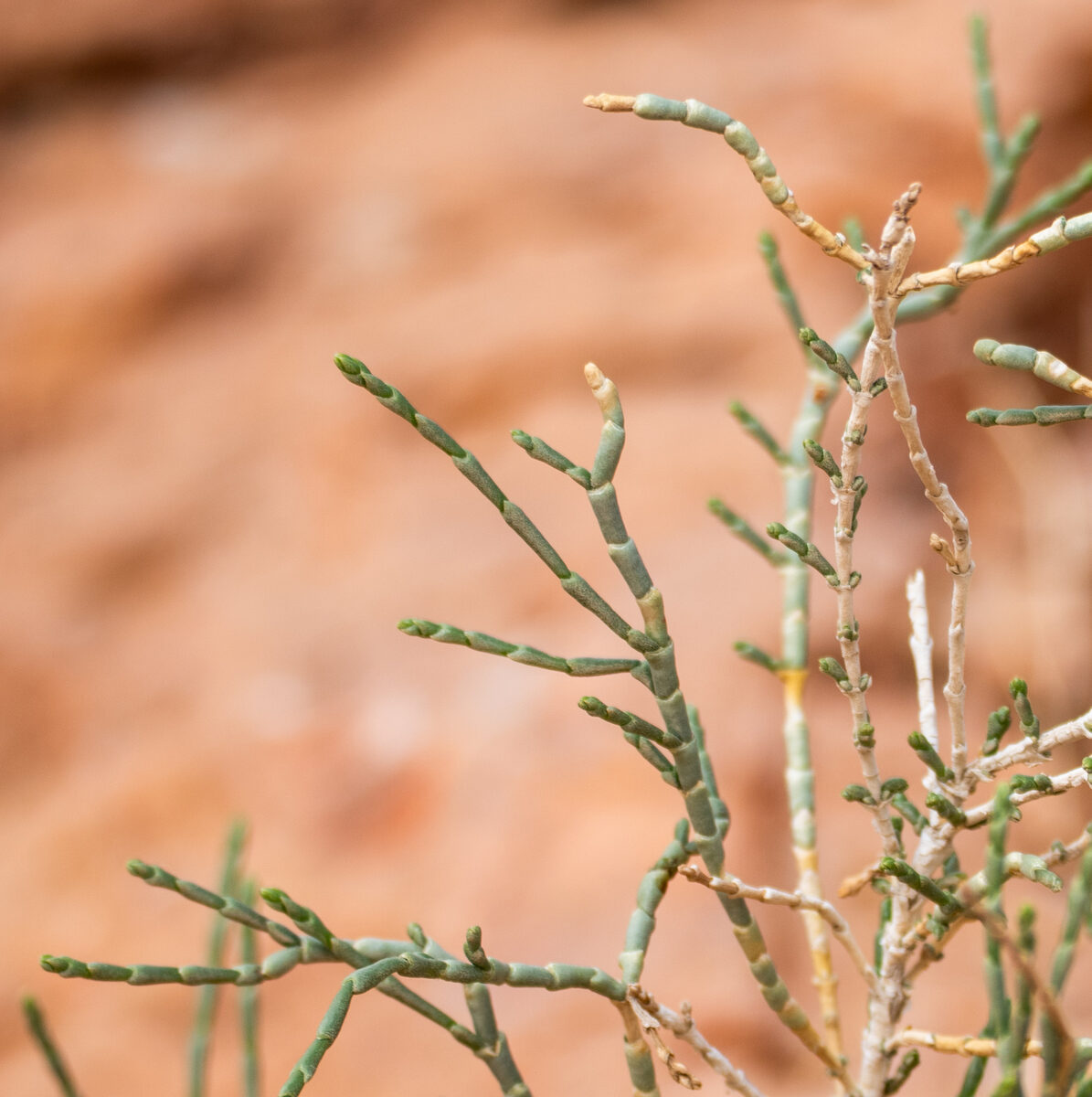
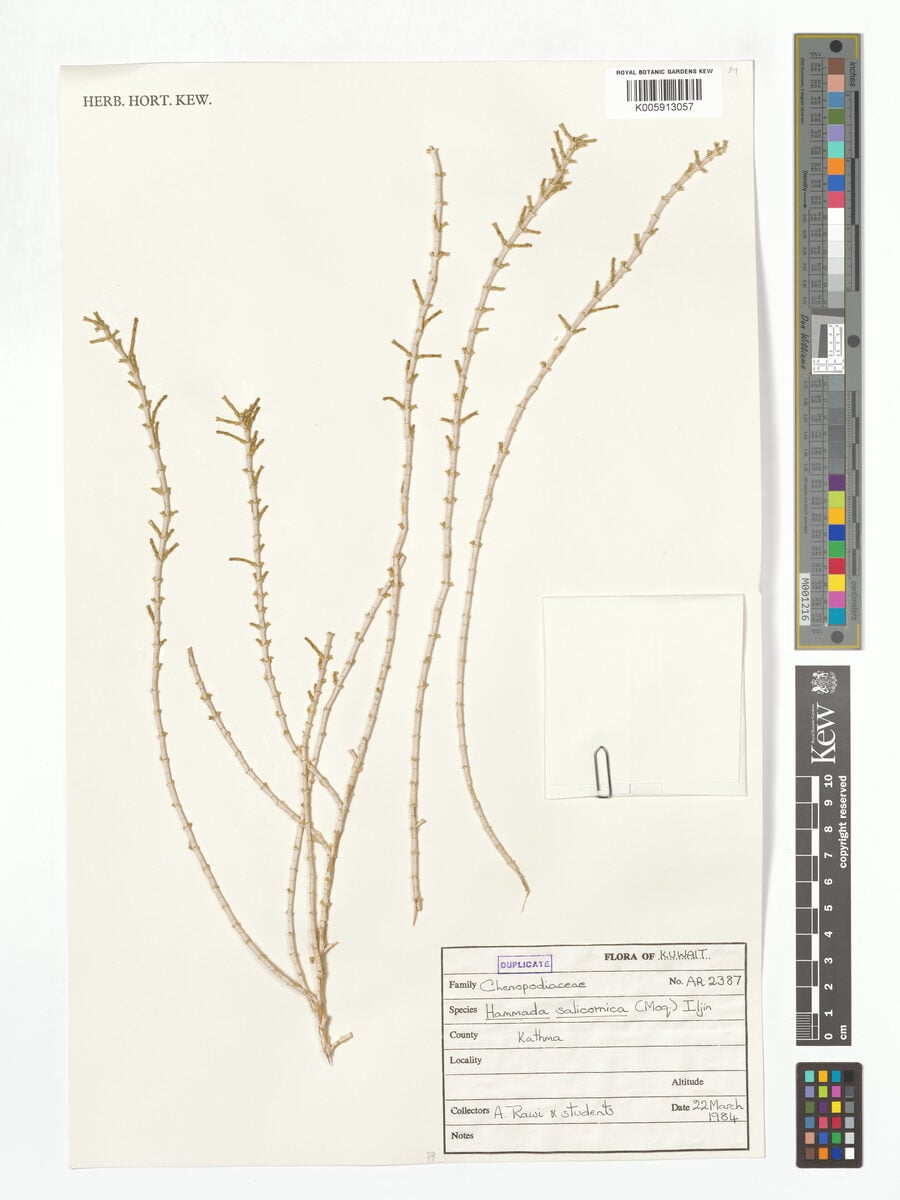
Elytrigia repens - (L.)Desv. ex Nevski.
(L.)Desv. ex Nevski.
Couch Grass, Quackgrass
gbif· cc-by
GBIF
gbif· cc-by
GBIF
gbif· cc-by
Jan Alsvik
Description
Elytrigia repens is a PERENNIAL growing to 0.6 m (2ft) by 1 m (3ft 3in). See above for USDA hardiness. It is hardy to UK zone 4 and is not frost tender. It is in flower from June to September, and the seeds ripen from August to September. The species is hermaphrodite (has both male and female organs) and is pollinated by Wind. It is noted for attracting wildlife. Suitable for: light (sandy), medium (loamy) and heavy (clay) soils. Suitable pH: mildly acid, neutral and basic (mildly alkaline) soils and can grow in very acid and very alkaline soils. It can grow in full shade (deep woodland) semi-shade (light woodland) or no shade. It prefers dry moist or wet soil.
Edible Uses
Coffee. Roots - cooked. They can be dried and ground into a powder, then used with wheat when making bread. Although thin and stringy, the roots contain starch and enzymes and are quite sweet. When boiled for a long time to break down the leathery membrane, a syrup can be made from the roots and this is sometimes brewed into a beer. The roasted root is a coffee substitute. Young leaves and shoots - eaten raw in spring salads. A slightly sweet flavour, though quickly becoming very fibrous, they are rather less than wonderful. The juice from these shoots is sometimes used as a spring tonic. Seed. A cereal mash can be made from them. The seed is very small and there is a large husk surrounding it, so that effectively it is more like eating fibre than cereal.
Medicinal Uses
Antiphlogistic Aperient Demulcent Diuretic Emollient Lithontripic Tonic Urinary. Couch grass is of considerable value as a herbal medicine, the roots being very useful in the treatment of a wide range of kidney, liver and urinary disorders. They have a gentle remedial effect which is well-tolerated by the body and has no side-effects. This plant is also a favourite medicine of domestic cats and dogs, who will often eat quite large quantities of the leaves. The roots are antiphlogistic, aperient, demulcent, diuretic, emollient, lithontripic and tonic. They are harvested in the spring and can be dried for later use. A tea made from the roots is used in cases of urinary incompetence and as a worm expellent. It is also an effective treatment for urinary tract infections such as cystitis and urethritis. It both protects the urinary tubules against infections and irritants, and increases the volume of urine thereby diluting it. Externally it is applied as a wash to swollen limbs.
Known Hazards
Prolonged use may lead to loss of potassium due to it's diuretic action
Distribution
Most of Europe, including Britain, N. Africa, Siberia and N. America.
Where It Grows
TEMPERATE ASIA: Afghanistan, Cyprus, Iran, Iraq, Lebanon, Syria, Turkey, Russian Federation-Ciscaucasia (Ciscaucasia), Armenia, Azerbaijan, Georgia, Russian Federation (Dagestan), Russian Federation (Altay, Buryatia, Chita, Gorno-Altay, Irkutsk, Kemerovskaja oblast, Krasnoyarsk, Kurganskaja oblast, Novosibirsk, Omsk, Tyumen, Tyva, Respublika, Yakutia-Sakha), Kazakhstan, Kyrgyzstan, Tajikistan, Turkmenistan, Uzbekistan, Mongolia, Russian Federation (Kurile Islands, Habarovskij kraj, Primorye, Amur, Kamcatskij kraj, Magadanskaja oblast (south), Sakhalin), China (Gansu Sheng, Hebei Sheng, Heilongjiang Sheng, Nei Mongol Zizhiqu, Qinghai Sheng, Sichuan Sheng, Xinjiang Uygur Zizhiqu, Xizang Zizhiqu, Yunnan Sheng), Korea TROPICAL ASIA: India (north), Pakistan EUROPE: Denmark, Finland, United Kingdom, Ireland, Iceland, Norway, Sweden, Austria, Belgium, Switzerland, Czech Republic, Germany, Hungary, Netherlands, Poland, Russian Federation (European part), Belarus, Estonia, Lithuania, Latvia, Moldova, Russian Federation (Kalmykija, Respublika, Astrakhan, Saratov, Volgogradskaja oblast), Ukraine (incl. Krym), Albania, Bulgaria, Greece, Croatia, Italy (incl. Sardinia, Sicily), Romania, Serbia, Slovenia, Spain (incl. Baleares), France (incl. Corsica) AFRICA: Algeria, Morocco, Tunisia
Cultivation
E. repens ssp. repens is a rhizomatous perennial grass developing erect culms, which are more or less curved at the base. Their length is between 30 and 120cm. Couch grass can succeed in any soil, though it grows best in light sandy soils. It seems to be most competitive on fertile soils, rich in nitrogen and with a good water supply and is less successful on very acid or very dry, shallow soils. It is a rapidly spreading, persistent and pernicious weed that should only be introduced with great caution. It tolerates a pH in the range of 4.2 to 8.3. Some modern works have now separated this species off into a new genus as Elytrigia repens. A food plant for the caterpillars of many butterfly and moth species. This species can become a pernicious weed, spreading rapidly by underground rhizomes and quickly forming a dense mat of roots in the soil that strangles other plant growth. Even the smallest fragment of the root can regenerate into a new plant, thus making it exceedingly difficult to get rid of. A good thick mulch through which nothing can grow can be applied to the area, though it will need to be left in place for at least two growing seasons to be fully effective. Despite its antisocial tendency in the garden, the Couch is a very useful herbal medicine and Culpepper is said to have stated that half an acre of the couch was worth five acres of carrots twice over.
Propagation
This species is a pernicious weed and will not require assistance in spreading itself. E. repens ssp. repens is a rhizomatous perennial grass with both vegetative and sexual reproduction. It propagates easily by the rhizomes, even short fragments of which are regenerative if they include a node. The plant can therefore be rapidly spread and multiplied by soil cultivation, and where competition from other plants is not too strong, undisturbed plants can develop rapidly extending clones.
Other Uses
Dye Liquid feed Soil stabilizationAn infusion of the whole plant is a good liquid plant feed. The plant has a long creeping root system and so it has been planted in sand dunes near the coast to bind the soil together. A grey dye is obtained from the roots. Fodder/animal feed, Forage.
Synonyms
Also Known As
Common couch, Twitch, Quick grass, Quitch grass (also just Quitch), Dog grass, Quackgrass, Scutch grass, and Witchgrass.