Chenopodium oahuense
(Meyen) Aellen
Goosefoot
wikimedia· cc-by
Forest & Kim Starr (via Wikimedia Commons)
iNaturalist· cc-by-nc
(c) overlander (Gerald Krygsman), some rights reserved (CC BY-NC), uploaded by overlander (Gerald Krygsman)
iNaturalist· cc-by-nc
(c) rosindia, some rights reserved (CC BY-NC), uploaded by rosindia
Description
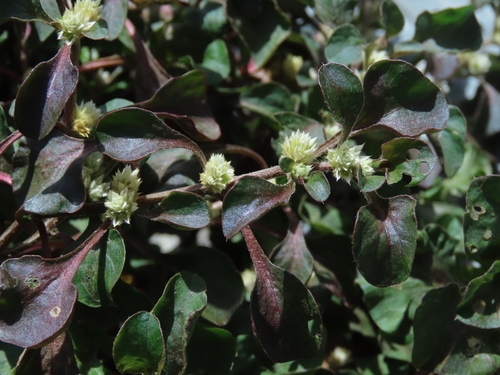
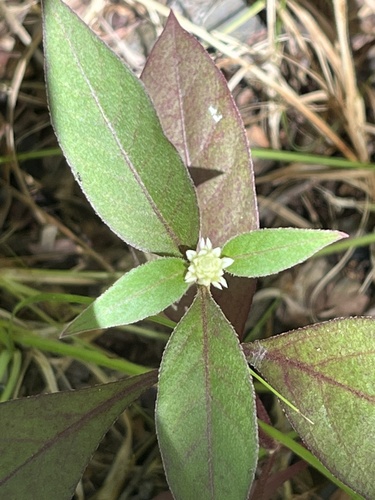
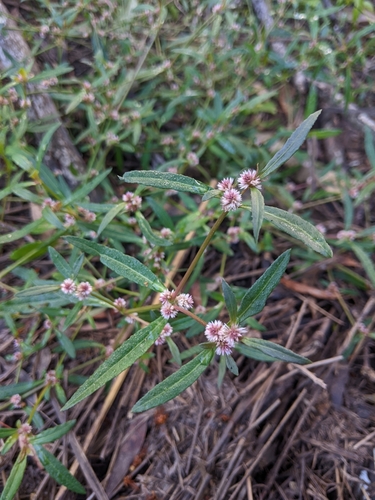
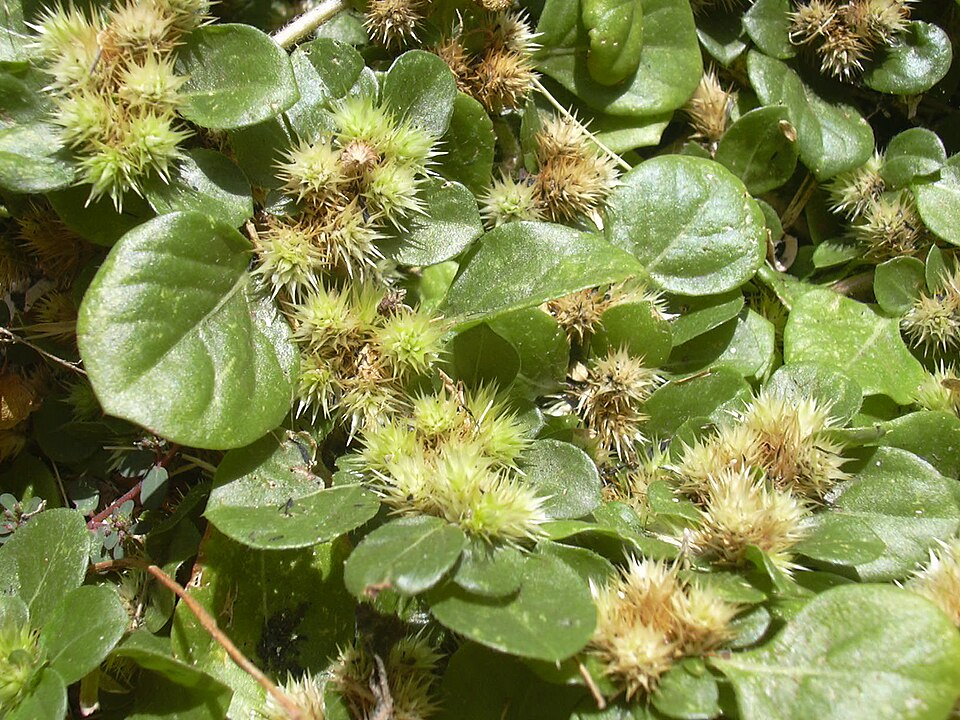
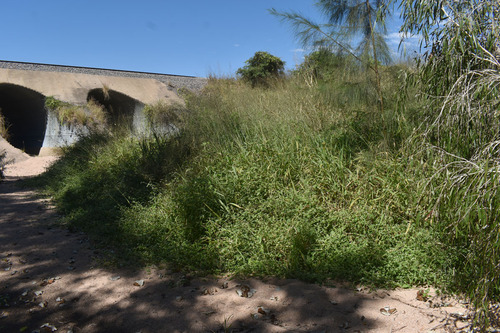
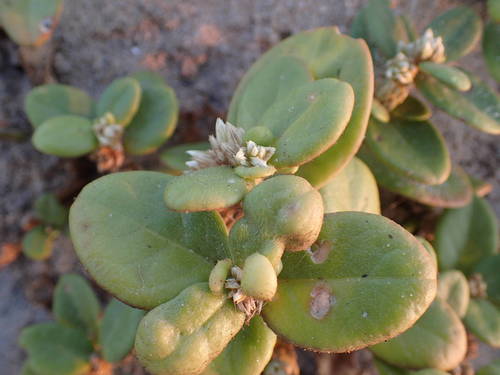
A Hawaiian shrub in the amaranth family growing 5-20 m tall with fleshy, three-lobed, lightly hairy leaves and small flowers in panicles. Endemic to the Hawaiian Islands, it is also found on several smaller Pacific islands.
Edible Uses
This plant can be used for Hawaiian ecosystem restoration and erosion control. Sooty terns and red-footed boobies use this plant as nesting material. The Hawaiian people use the wood of this plant to make shark hooks, and the cooked leaves are eaten like (related) spinach. The bark was traditionally used for beautifying the skin; and was consumed by nursing mothers to beautify the skin during development. In addition with other native herbs it was mixed for weight gain in children.
Medicinal Uses
This plant is used to treat thrush and other ailments. A poultice of the plant is applied to minor wounds. When treating thrush, the plant is ground together with uluhe (Huperzia spp. Or Lycopodium spp.), ‘ala‘ula (Codium edule), ‘ilima (Sida fallax), and marine shells, then mixed with water and fed to children in poi or possibly ‘uala (sweet potato, Ipomoea batatas).
Distribution
It is a tropical plant.
Where It Grows
Hawaii, Pacific,
Cultivation
Requires a sunny position or light shade and a well-drained soil. Plants are very tolerant of corraline soils. The plant appears well adapted to tolerate drought by dying-back during periods of low moisture and then rapidly growing during periods of higher available moisture. Tolerant of strong winds and salt spray. The plant grows rapidly and remains fleshy during the first several months of growth. In later stages, the branches become brittle and are easily damaged. However larger, older individuals become single-stemmed and develop thickened woody branches. Peak flowering and seed production are linked to favourable environmental conditions, though the plant can generally be found flowering and seeding throughout the year. Seed production is extremely high for this species. The plant recovers well after fire. Following a wildfire in one area on Hawaii, reestablishment was delayed for approximately 1 year. Within 4 years, however, the plant had exceeded its preburn density by approximately 15-fold.
Propagation
Seed bearing utricles are easily collected by hand, don't bury them deep. The seeds start to germinate in 1 week and continue for another 2 - 3 weeks. The first or second set of true leaves appear in 1 month and at this stage the seedlings should be transplanted to individual pots. Two to three months after they reach 30cm, they should be planted out.
Other Uses
The wood is sometimes used for fuel. It is not true wood, but secondary growth. Plants can be trimmed and grown as hedges.
Notes
There are about 100-150-250 Chenopodium species. They are mostly in temperate regions. Also put in the family Chenopodiaceae.
Synonyms
References (1)
- van Wyk, B., 2005, Food Plants of the World. An illustrated guide. Timber press. p 79 (As Chenopodium oahense)