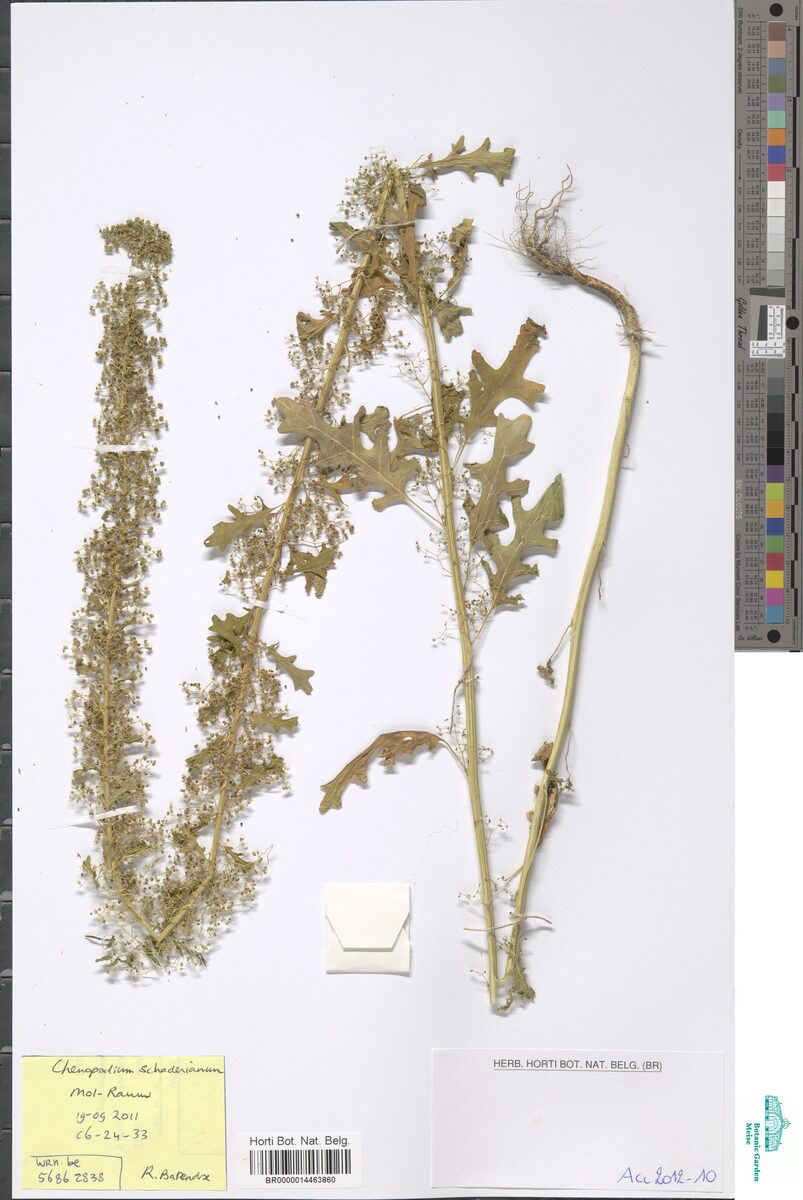
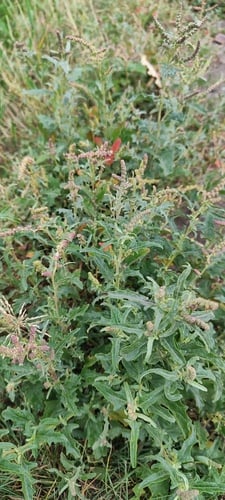
Chenopodium nitrariaceum
(F. Muell.) F. Muell. ex Benth
Branching goosefoot, Nitre Goosefoot
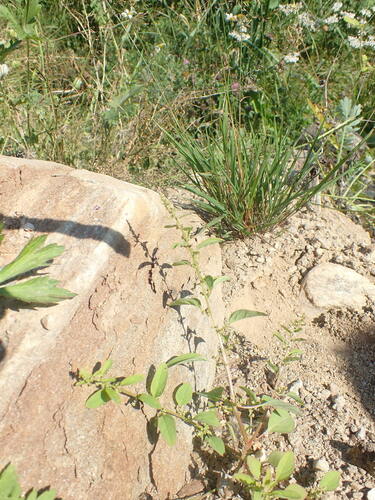
iNaturalist· cc-by-nc-sa
(c) Arthur Chapman, some rights reserved (CC BY-NC-SA), uploaded by Arthur Chapman
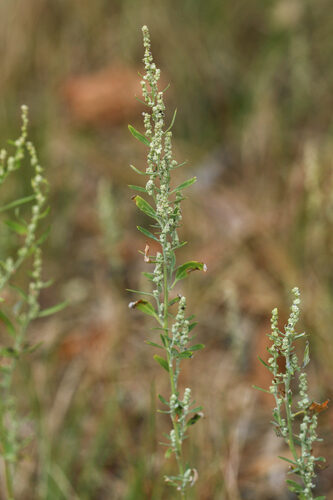
iNaturalist· cc-by-nc-sa
(c) Arthur Chapman, some rights reserved (CC BY-NC-SA), uploaded by Arthur Chapman
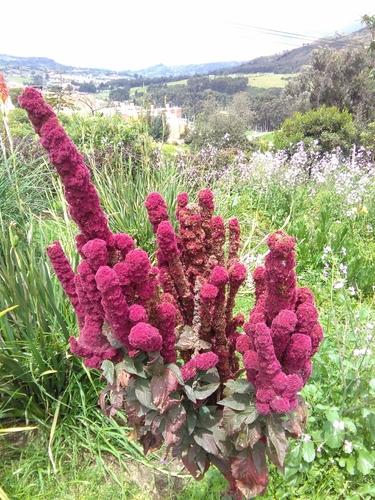
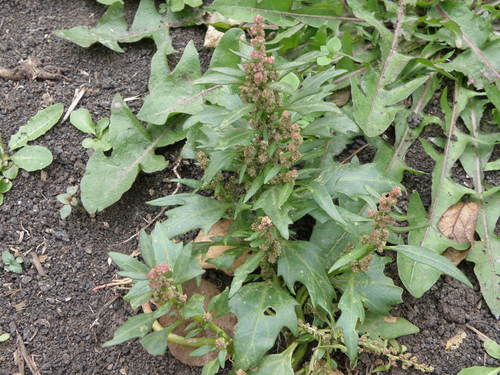
iNaturalist· cc-by-nc
(c) cinclosoma, some rights reserved (CC BY-NC)
Summary
Source: WikipediaChenopodium nitrariaceum commonly known as the nitre goosefoot, is a flowering shrub in the family Amaranthaceae and is endemic to Australia. It is a spiny perennial with greyish leaves and small flowers.
Description
A spreading shrub. It grows 2-3 m high and spreads 2-4 m wide. The branches are slender and rigid. The small branches are hairy or spiny. The leaves are 2.5 cm long and taper to the base. The flowers are in small dense spikes. They are yellow or brown. They are at the ends of branches.
Edible Uses
The seeds are eaten.
Distribution
It grows in subtropical regions. It grows in dry areas and often on heavy clays.
Where It Grows
Australia*,
Cultivation
Plants can be grown from seed or cuttings.
Notes
There are about 100-150-250 Chenopodium species. They are mostly in temperate regions. Also put in the family Chenopodiaceae.
Synonyms
References (7)
- Cherikoff V. & Isaacs, J., The Bush Food Handbook. How to gather, grow, process and cook Australian Wild Foods. Ti Tree Press, Australia p 189, 194
- Elliot, W.R., & Jones, D.L., 1984, Encyclopedia of Australian Plants suitable for cultivation. Vol 3. Lothian. p 24
- Flora of Australia, Volume 4, Phytolaccaceae to Chenopodiaceae, Australian Government Publishing Service, Canberra (1984) p 146
- Hall, N. et al, 1972, The Use of Trees and Shrubs in the Dry Country of Australia, AGPS, Canberra. p 288
- Lazarides, M. & Hince, B., 1993, Handbook of Economic Plants of Australia, CSIRO. p 57
Show all 7 references Hide references
- Morley, B.D., & Toelken, H.R., (Eds), 1983, Flowering Plants in Australia. Rigby. p 83
- Paczkowska, G. & Chapman, A.R., 2000, The Western Australian Flora. A Descriptive Catalogue. Western Australian Herbarium. p 202