Aglaia everettii
Merr.
Bulog
Meliaceae Edible: Fruit
gbif· cc0
Royal Botanic Garden Edinburgh
Description
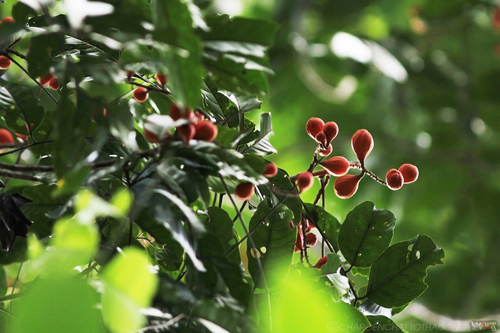
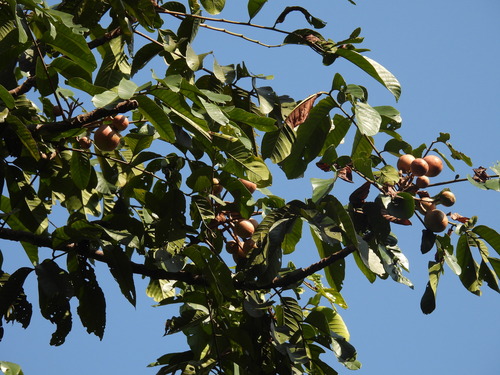
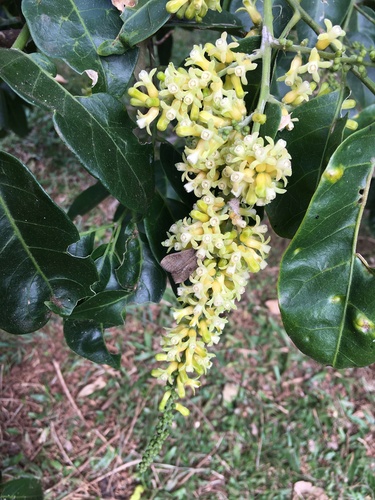
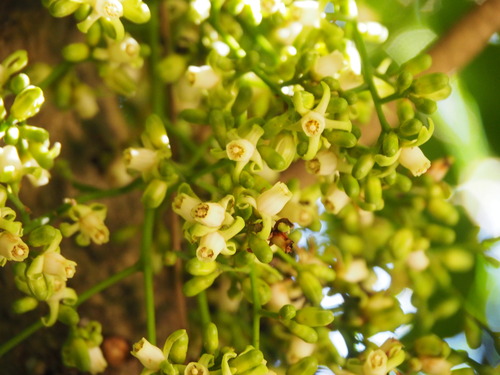
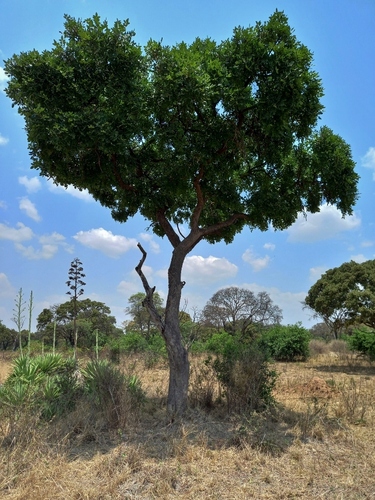
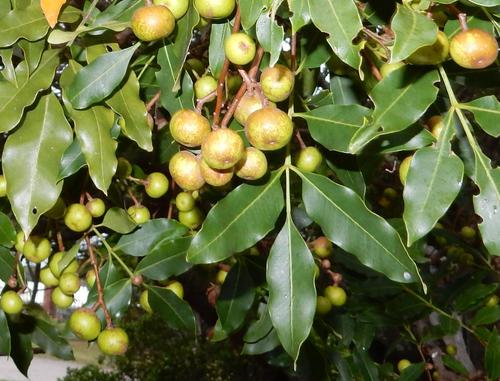
A medium sized tree. It grows 15-17 m high. The leaves are compound with large, smooth and usually opposite leaflets. The flowers are small and yellow and borne in compound flower clusters. The fruit are oval, about 4 to 5 cm long and red.
Edible Uses
The fleshy portion of the fruit is eaten raw and has a sour taste.
Traditional Uses
The fleshy portion of the fruit is eaten raw. It is sour.
This uses section is brief — help expand it
Distribution
It is a tropical plant. It occurs from northern Luzon to southern Mindanao.
Where It Grows
Asia, Pacific, Philippines, SE Asia,
Notes
There are about 104 Aglaia species. They occur in Asia and the Pacific. An unresolved name in The Plant List.
References (5)
- Bircher, A. G. & Bircher, W. H., 2000, Encyclopedia of Fruit Trees and Edible Flowering Plants in Egypt and the Subtropics. AUC Press. p 14
- Brown, W.H., 1920, Wild Food Plants of the Philippines. Bureau of Forestry Bulletin No. 21 Manila. p 80
- Burkill, I.H., 1966, A Dictionary of the Economic Products of the Malay Peninsula. Ministry of Agriculture and Cooperatives, Kuala Lumpur, Malaysia. Vol 1 (A-H) p 73
- Monsalud, M.R., Tongacan, A.L., Lopez, F.R., & Lagrimas, M.Q., 1966, Edible Wild Plants in Philippine Forests. Philippine Journal of Science. p 493
- World Checklist of Useful Plant Species 2020. Royal Botanic Gardens, Kew