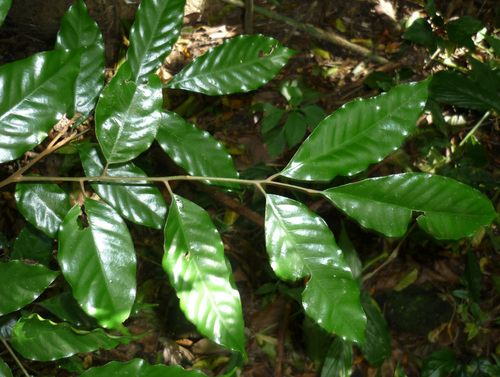
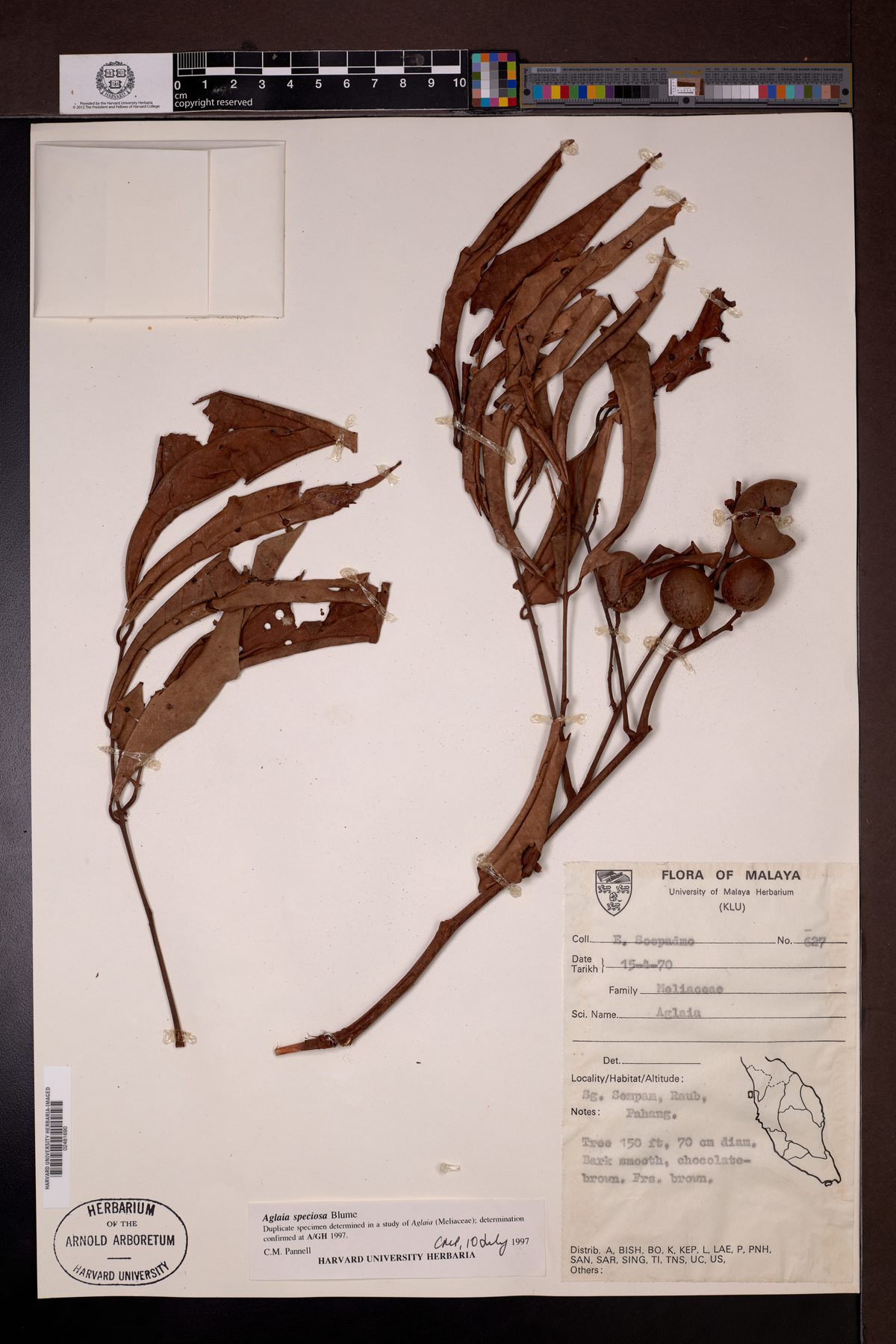
Ekebergia benguelensis
Welw. ex C. DC.
Woodland dogplum
iNaturalist· cc-by
(c) i_c_riddell, some rights reserved (CC BY), uploaded by i_c_riddell
iNaturalist· cc-by
(c) i_c_riddell, some rights reserved (CC BY), uploaded by i_c_riddell
Description
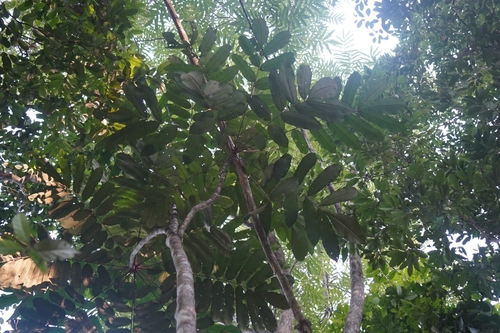
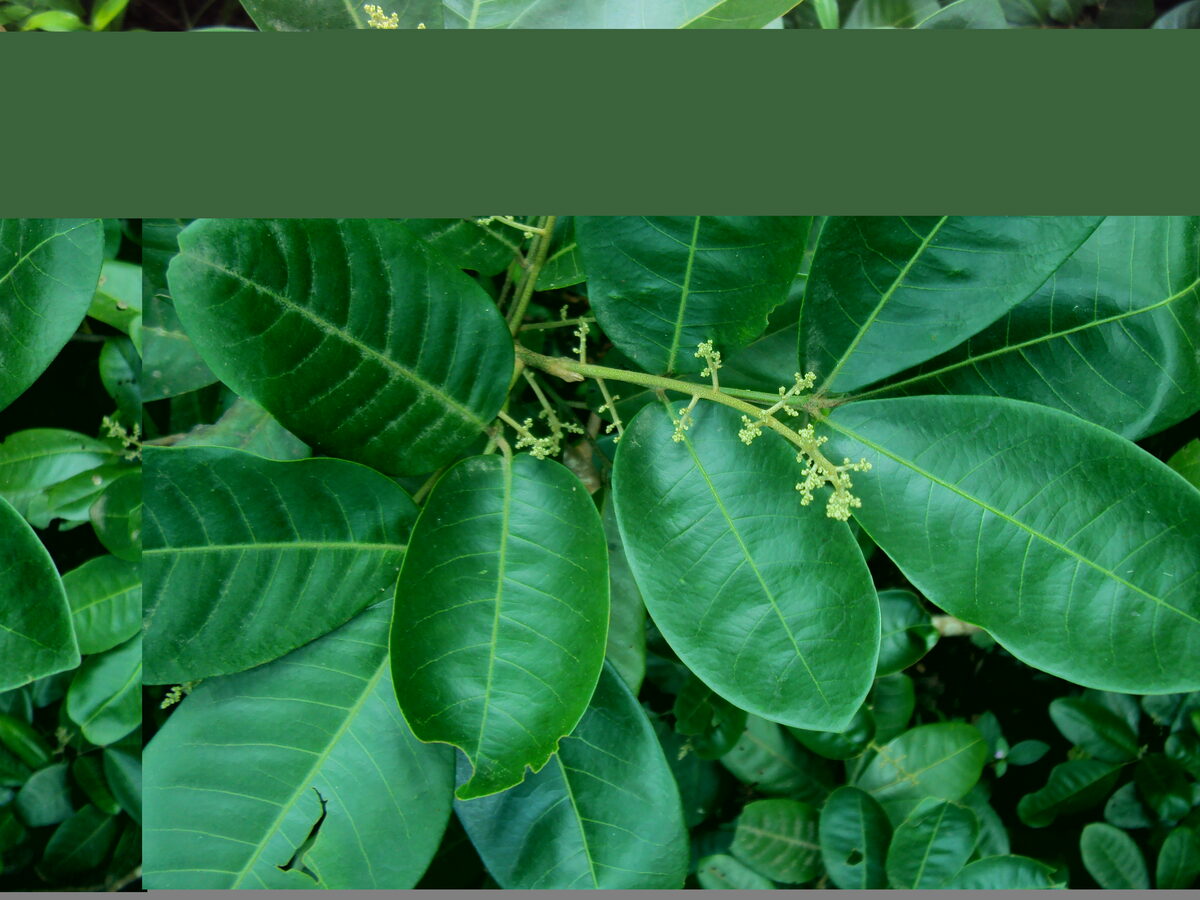
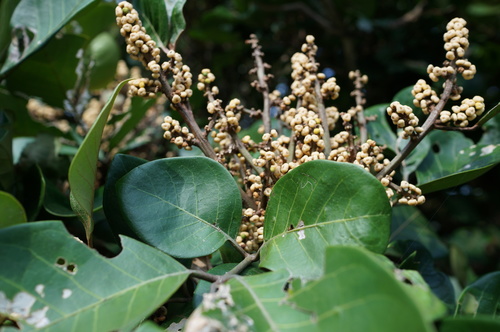
An evergreen tree. It loses many leaves during the year. It grows 9 m tall. The bark is dark grey and rough. The leaves are alternate and have leaflets along the stalk. There are 3 pairs of leaflets. The flowers are in compound groups in the axils of leaves. They are greenish-white and 1 cm across. The fruit is a green berry. It is about 2 cm across. There are 2-4 seeds.
Edible Uses
The fruit is eaten.
Medicinal Uses
The roots are used in traditional medicine to treat painful menstruation, abdominal pain, loss of appetite and as an aphrodisiac. The powdered bark is taken against impotence, The boiled leaves are applied to the chest to treat pneumonia.
Distribution
A tropical plant. It grows in dry woodland. It can grow in arid places.
Where It Grows
Africa, Angola, Central Africa, Congo DR, East Africa, Malawi, Mozambique, South Africa, Southern Africa, Tanzania, Zambia, Zimbabwe,
Cultivation
It can be grown from seeds. Seeds can be stored for at least a year.
Other Uses
The wood is occasionally used for making items such as implements and bowls.
Notes
There are 3 Ekebergia species.
Synonyms
Also Known As
Belele-ngombe, Kiringe, Mabere ya ng'ombe, Matekenya, Mkokota, Mleko, Moloa, Mudyamhofu, Mudyavarungu, Munyimonyimo, Mupumhanhuka, Mupuri, Myutumuko, Mziru, Sirita
References (16)
- Drummond, R. B., 1981, Common Trees of the Central Watershed Woodlands of Zimbabwe, National Herbarium Salisbury. p 106
- East African Herbarium records, 1981,
- Fowler, D. G., 2007, Zambian Plants: Their Vernacular Names and Uses. Kew. p 47
- Fox, F. W. & Young, M. E. N., 1982, Food from the Veld. Delta Books. p 263
- Grivetti, L. E., 1980, Agricultural development: present and potential role of edible wild plants. Part 2: Sub-Saharan Africa, Report to the Department of State Agency for International Development. p 66 (As Ekerbergia arborea)
Show all 16 references Hide references
- Jardin, C., 1970, List of Foods Used In Africa, FAO Nutrition Information Document Series No 2.p 134 (As Ekebergia arborea)
- Le Houerou, H. N., (Ed.), 1980, Browse in Africa. The current state of knowledge. International Livestock Centre for Africa, Ethiopia. p 163
- Maroyi, A., 2011, The Gathering and Consumption of Wild Edible Plants in Nhema Communal Area, Midlands Province, Zimbabwe. Ecology of Food and Nutrition 50:6, 506-525
- Maroyi, A. & Cheikhyoussef, A., 2017, Traditional knowledge of wild edible fruit in southern Africa: A comparative use patterns in Namibia and Zimbabwe. Indian Journal of Traditional Knowledge. 16(3): 385-392
- Mangambu Mokoso Jean De Dieu, et al, 2015, Etudes ethnobotanique et ethnolinguistique des ressources forestieres ligneuses utilisees par la population du coulour Ecologique du Parc National de Kahuzi-biega (R. D. Congo). European Journal of Scientific Research May 2015.
- Peters, C. R., O'Brien, E. M., and Drummond, R.B., 1992, Edible Wild plants of Sub-saharan Africa. Kew. p 146
- Royal Botanic Gardens, Kew (1999). Survey of Economic Plants for Arid and Semi-Arid Lands (SEPASAL) database. Published on the Internet; http://www.rbgkew.org.uk/ceb/sepasal/internet [Accessed 3rd May 2011]
- Van Wyk, Br. and van Wyk P., 2009, Field Guide to Trees of Southern Africa. Struik Nature. p 466
- Williamson, J., 2005, Useful Plants of Malawi. 3rd. Edition. Mdadzi Book Trust. p 104
- World Checklist of Useful Plant Species 2020. Royal Botanic Gardens, Kew
- www.zimbabweflora.co.zw 2011