Dysoxylum spectabile
(G. Forst.) Hook. f.
Kohe, Wahahe, Kohekohe
iNaturalist· cc-by
(c) Michael Berardozzi, some rights reserved (CC BY)
iNaturalist· cc-by
(c) Michael Berardozzi, some rights reserved (CC BY)
iNaturalist· cc-by
(c) Michael Berardozzi, some rights reserved (CC BY)
Summary
Source: WikipediaDysoxylum spectabile is a hermaphroditic tree species. It grows in light sandy, medium loamy, and heavy clay soils. Suitable for mildly acidic, neutral, and basic soils. Tolerates semi-shade or full sun and prefers moist soil conditions.
Description
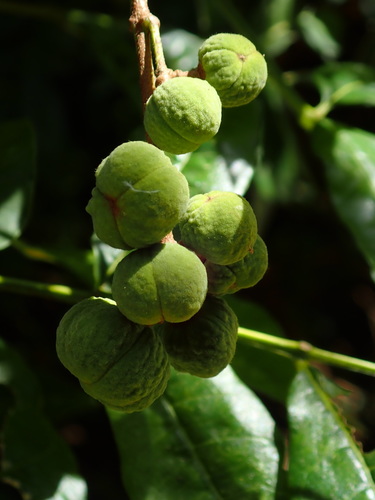
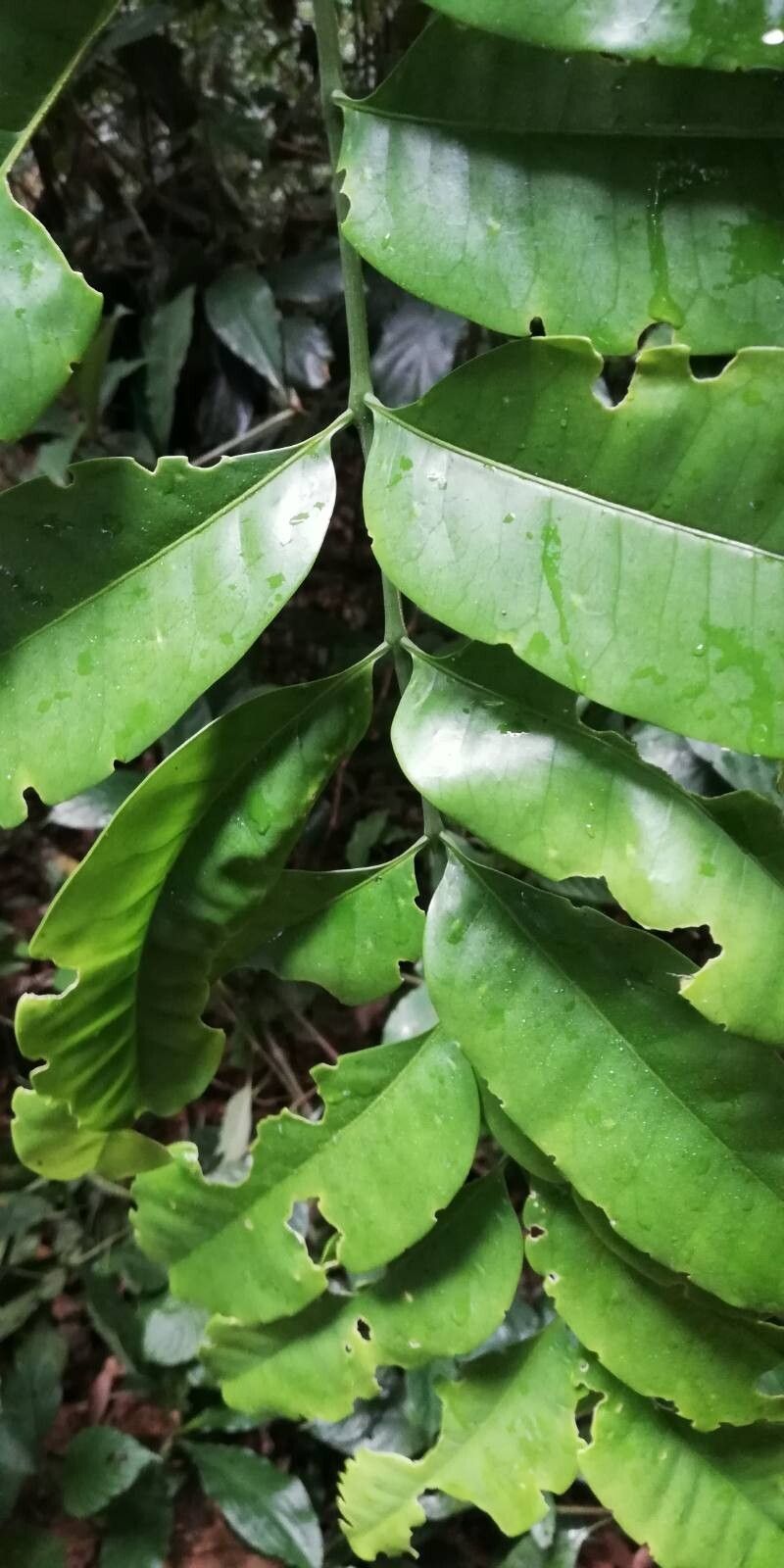
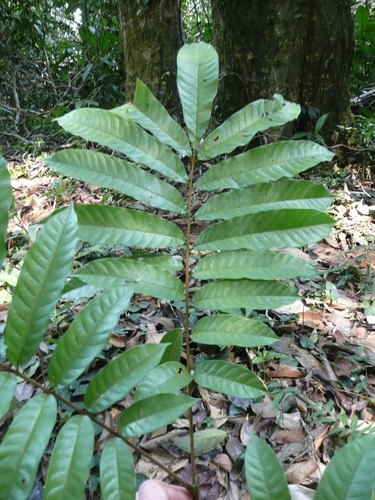
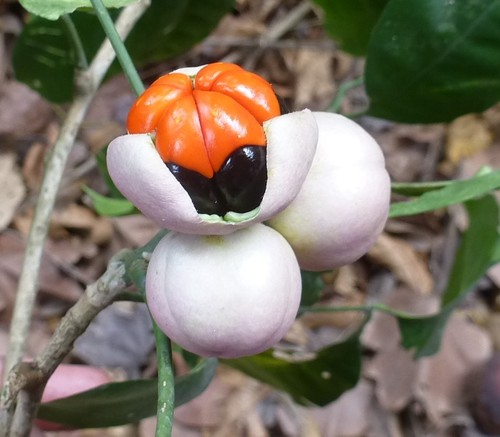
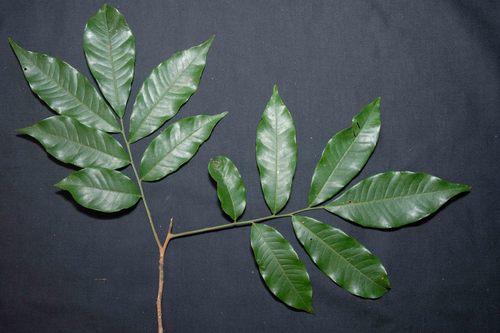
A tree with a stout column like trunk. It grows about 8 m high. The crown is rounded. The leaves are large and glossy. They have leaflets along the stalk. The flowers are greenish-white and waxy and hang in droops. They grow on the trunks and branches. They can be 30 cm long. The fruit capsule has 3-4 cells. They are 2.5 cm across. It opens after 15 months to reveal 2 seeds in a fleshy red aril.
Edible Uses
No edible uses are known.
Traditional Uses
The leaves have been used as a substitute for hops.
This uses section is brief — help expand it
Medicinal Uses
The bitter-tasting leaves are used as a tonic.
Distribution
It grows in lowland and coastal regions in New Zealand. It is mostly in damp locations. It is best in deep, moist loam soils. It needs a protected, sunny position. It is resistant to frost and damaged by drought.
Where It Grows
Australia, New Zealand*,
Cultivation
Plants can be grown from seed. Seed germinate easily.
Propagation
Propagated by seed.
Other Uses
The wood is light, soft, and fairly durable, and is used for cabinet work.
Production
It is fast growing.
References (6)
- Bodkin, F., 1991, Encyclopedia Botanica. Cornstalk publishing, p 367
- Crowe, A., 1997, A Field Guide to the Native Edible Plants of New Zealand. Penguin. p 154
- Handb. N. Zeal. fl. 41. 1864
- Hedrick, U.P., 1919, (Ed.), Sturtevant's edible plants of the world. p 284
- Matthews, J., 1987, New Zealand Native Plants for your Garden. Pacific Publishers, p 46
Show all 6 references Hide references
- Salmon, J.T., 1989, The Native Trees of New Zealand. Heinmann Reid p 240