Dysoxylum mollissimum subsp. molle
(Miq.) Mabb.
Miva mahogany tree, Red bean
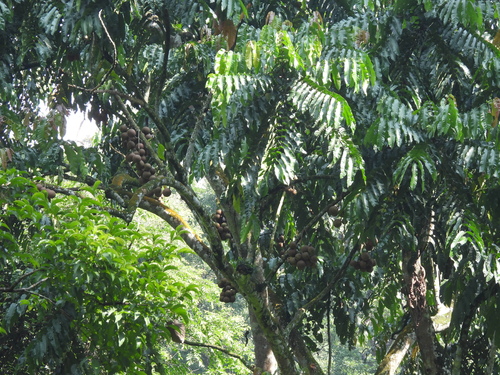
iNaturalist· cc-by-nc
(c) kmackau, some rights reserved (CC BY-NC)
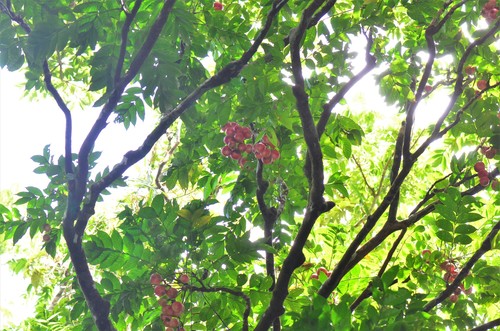
iNaturalist· cc-by-nc-sa
(c) Nick Lambert, some rights reserved (CC BY-NC-SA), uploaded by Nick Lambert
iNaturalist· cc-by-nc-sa
(c) Nick Lambert, some rights reserved (CC BY-NC-SA), uploaded by Nick Lambert
Description
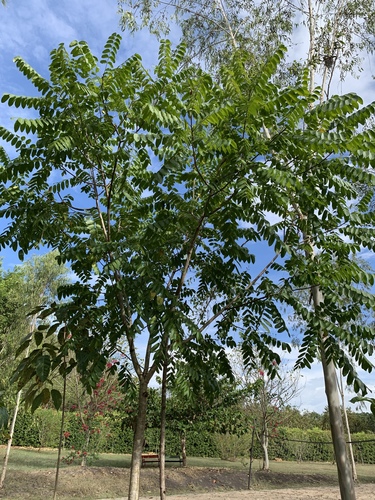
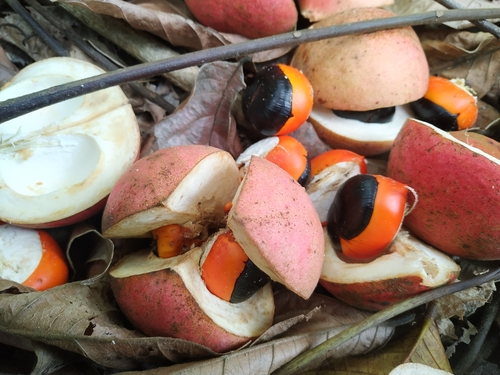
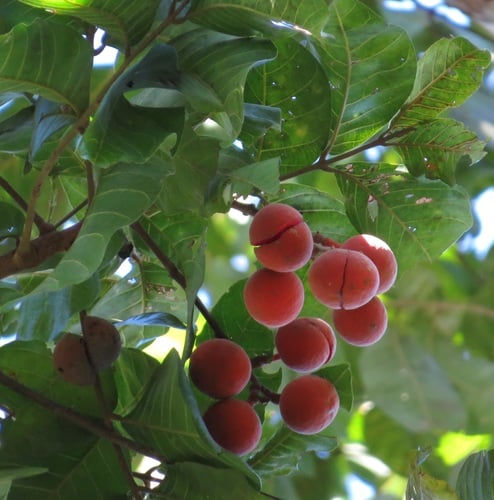
A tree. It has buttresses at the base. The leaves have leaflets along the stalk. There is usually a leaflet at the end. There are 11-27 leaflets and they are opposite or alternate. They are 3-12 cm long. The fruit are round capsules 2 cm across. It has 3-5 valves. The seeds are covered by a red aril.
Edible Uses
The leaves are eaten.
Distribution
It is a tropical plant. It grows in rainforest. It is often along streams. It grows up to 1,900 m above sea level in Indonesia. In Townsville Anderson BG.
Where It Grows
Asia, Australia, Indonesia, Fiji, Pacific, Papua New Guinea, PNG, SE Asia,
Cultivation
It can be grown by fresh seeds.
Synonyms
Also Known As
Dodo tarawau, Dodo turau, Kei rakaka, Sasaira, Sausawira, Tarawau, Vesida
References (3)
- Jansen, A. A. J., et al, (Eds), 1990, Food and Nutrition in Fiji. Volume One. p 52 (As Dysoxylum richii)
- Melzer, R. & Plumb, J., 2011, Plants of Capricornia. Belgamba, Rockhampton. p 177
- Sukarya, D. G., (Ed.) 2013, 3,500 Plant Species of the Botanic Gardens of Indonesia. LIPI p 255