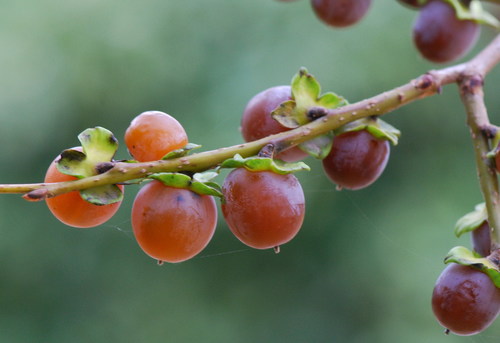
Diospyros tessellaria
Poir.
Black ebony, Mauritian ebony
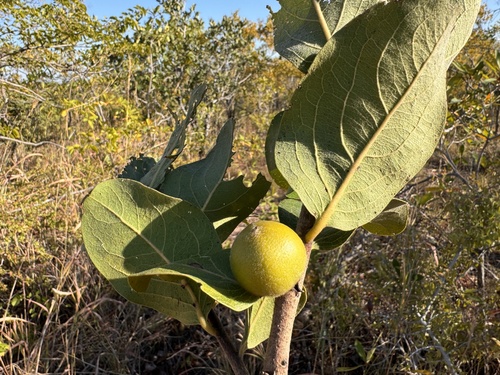
iNaturalist· cc-by-nc
(c) Jean-Philippe BASUYAUX, some rights reserved (CC BY-NC), uploaded by Jean-Philippe BASUYAUX
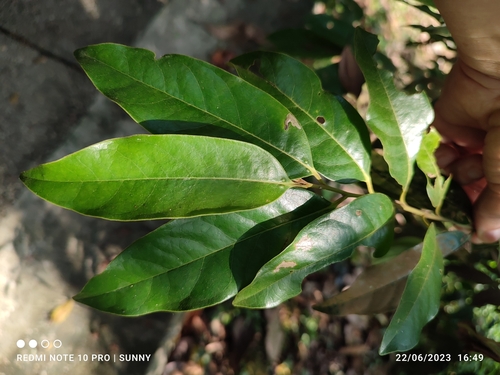
iNaturalist· cc-by-sa
(c) S Molteno, some rights reserved (CC BY-SA)
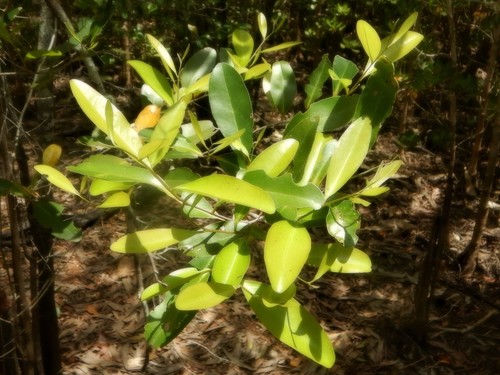
iNaturalist· cc-by-sa
(c) S Molteno, some rights reserved (CC BY-SA)
Description
Diospyros tessellaria is an evergreen Tree growing to 15 m (49ft) by 15 m (49ft) at a slow rate. See above for USDA hardiness. It is hardy to UK zone 10. The flowers are pollinated by Bats. It is noted for attracting wildlife. Suitable for: light (sandy), medium (loamy) and heavy (clay) soils and prefers well-drained soil. Suitable pH: mildly acid, neutral and basic (mildly alkaline) soils. It cannot grow in the shade. It prefers moist soil.
Edible Uses
Fruit.
Distribution
Africa - Mauritius.
Where It Grows
AFRICA: Mauritius
Cultivation
Tolerates both dry lowland areas and upland wet rainforest. Now rarely coastal. A canopy tree that was exploited on a large scale during the Dutch occupation of Mauritius in the 17th century. You may have to wait 50 years to harvest the black infamous heartwood. Prefers temperatures no less than 54 F. In general Diospyros species are dioecious and require both male and female forms to be grown if fruit and seed are required.
Propagation
Seed - it has a very short viability and so should be sown as soon as possible. The flesh should be removed since this contains germination inhibitors. Sow the seed in a shady position in a nursery seedbed. The sowing media for ebony uses soil and fine sand at the ratio 3:1. The seed is planted horizontally or vertically with the radicle end down, with a sowing depth of 1 - 1.5x the thickness of seed. Distance between the seeds is 3 - 5cm. Seeds are very sensitive to desiccation during germination and early growth, so must be regularly watered at this time. Normally the seed will germinate after one week. In one trial, fresh seed, sown one day after collection, showed 85% germination rate within 17 - 65 days. As a rule fresh seeds have a high percentage of fertility. The seedlings develop long taproots at an early stage, often before any appreciable elongation of the shoot takes place. The growth of the seedling is decidedly slow.
Other Uses
Furniture Wood Other Uses: A high quality timber, known as 'Mauritius Ebony' is obtained from the tree. The bark is black, the sapwood is white and the heartwood black. The wood is used to manufacture keys of musical instruments, small pieces of furniture and in marquetry.