Diospyros littorea
(R.Br.) Kostermans
Mari-Burrpurr
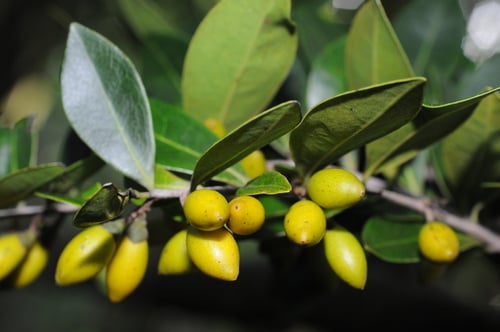
iNaturalist· cc-by-nc-nd
(c) Zig Madycki, some rights reserved (CC BY-NC-ND), uploaded by Zig Madycki
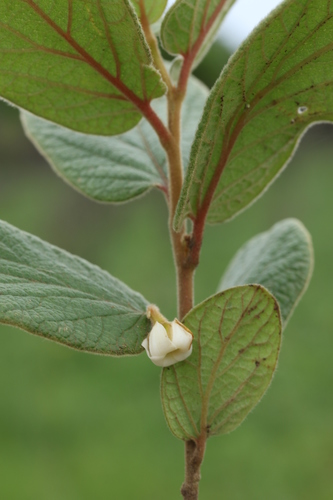
iNaturalist· cc-by
(c) Roland Muench, some rights reserved (CC BY)
Description
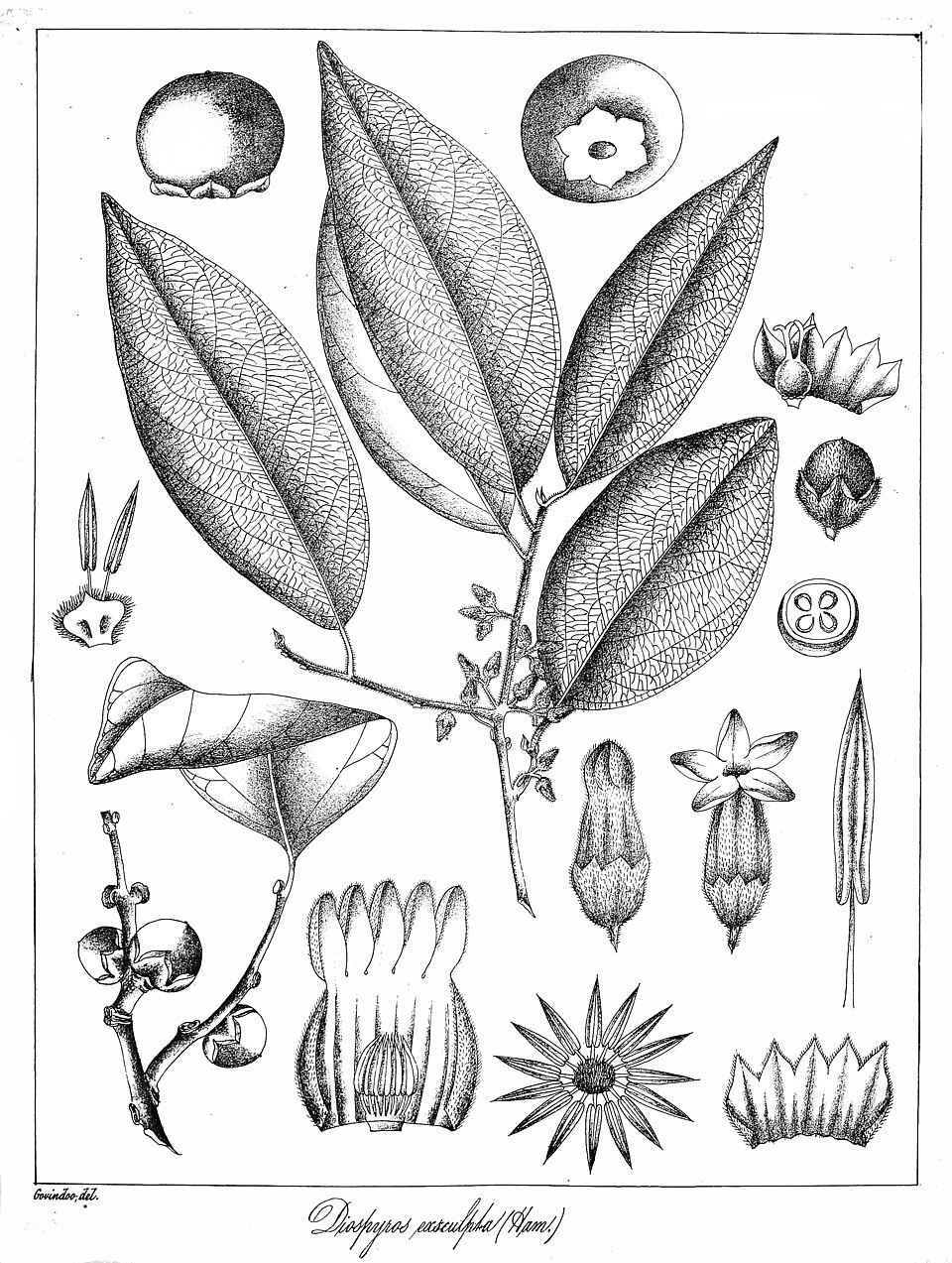
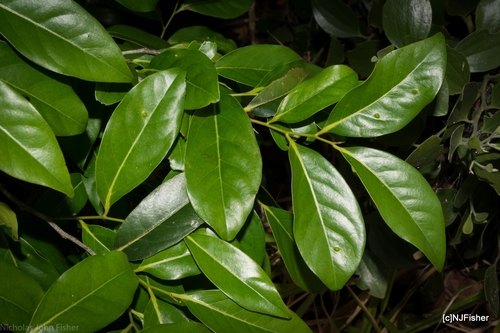
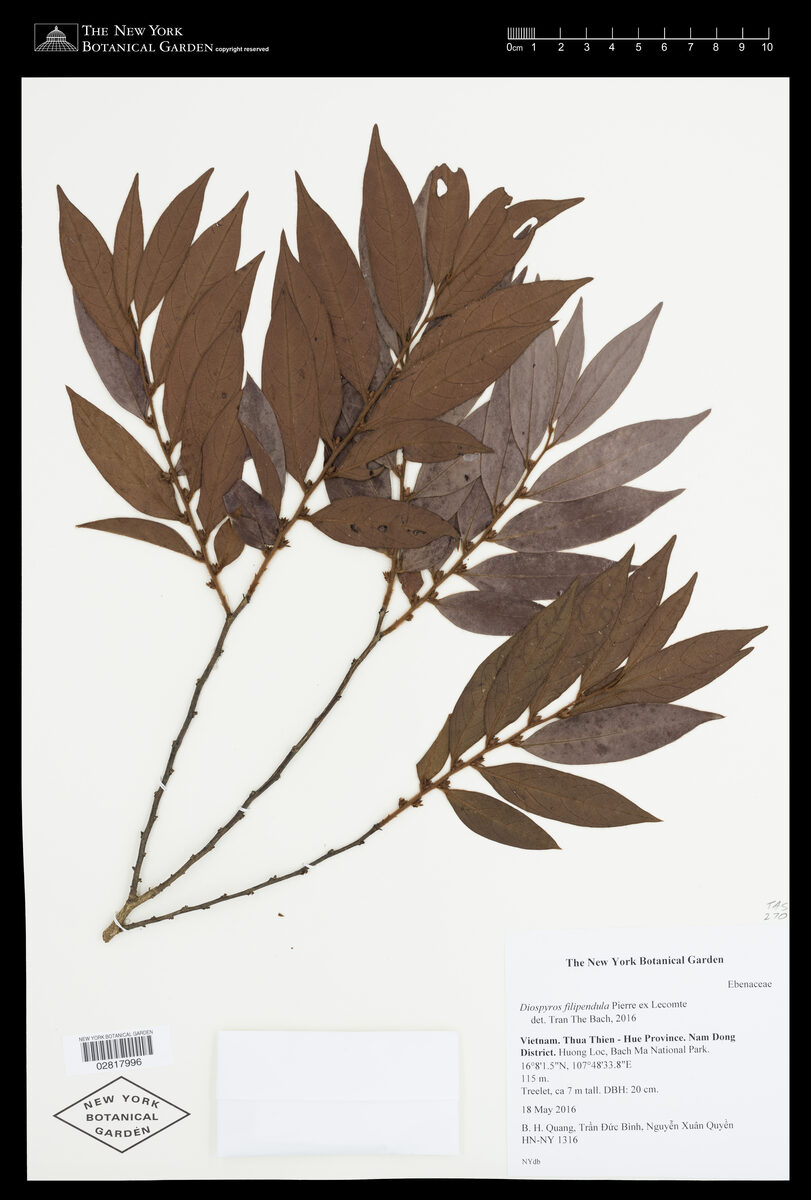
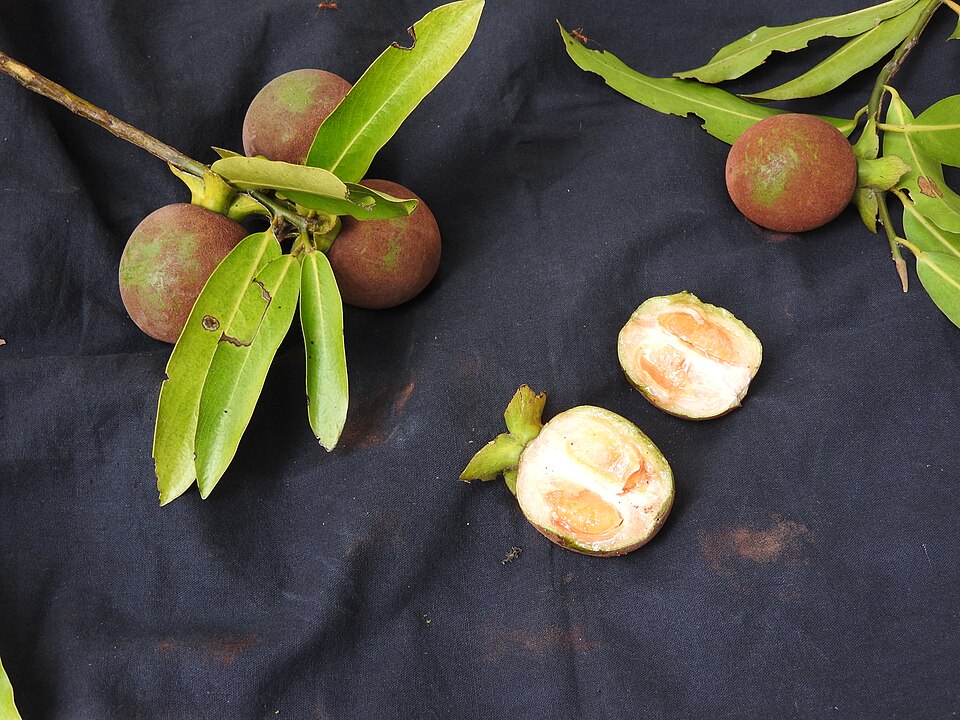
A small tree. It grows 15 m tall. Trees are separately male and female. The leaves are simple and 3.5-9.5 m long and 2-4.5 m wide. There can be some hairs underneath the leaf. The leaf stalks are 4-6 mm long. The flowers occur singly in the axils of the leaves. There are 3 petals and they are 6 mm long. The fruit are orange becoming red when ripe. They are 14 mm long and 10 mm wide. There are 1-2 brown seeds. They are 8-10 mm long.
Edible Uses
The ripe fruit are eaten, though they leave a dry taste in the mouth.
Traditional Uses
The ripe fruit are eaten. They leave a dry taste in the mouth.
This uses section is brief — help expand it
Distribution
It is a tropical plant. It grows in monsoon forests and occasionally mangroves.
Where It Grows
Asia, Australia*, Malesia, Papua New Guinea, PNG,
Notes
There are about 485 species of Diospyros mostly in the tropics.
Synonyms
References (3)
- Cooper, W. and Cooper, W., 2004, Fruits of the Australian Tropical Rainforest. Nokomis Editions, Victoria, Australia. p 155
- Paczkowska, G. & Chapman, A.R., 2000, The Western Australian Flora. A Descriptive Catalogue. Western Australian Herbarium. p 231
- Yunupinu Banjgul, Laklak Yunupinu-Marika, et al. 1995, Rirratjinu Ethnobotany: Aboriginal Plant Use from Yirrkala, Arnhem Land, Australia. Northern Territory Botanical Bulletin No 21. Parks and Wildlife Commission of the Northern Territory. p 35