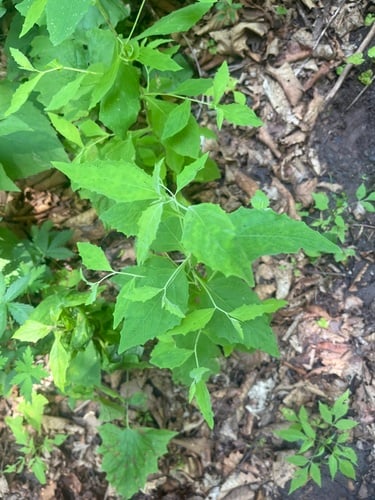
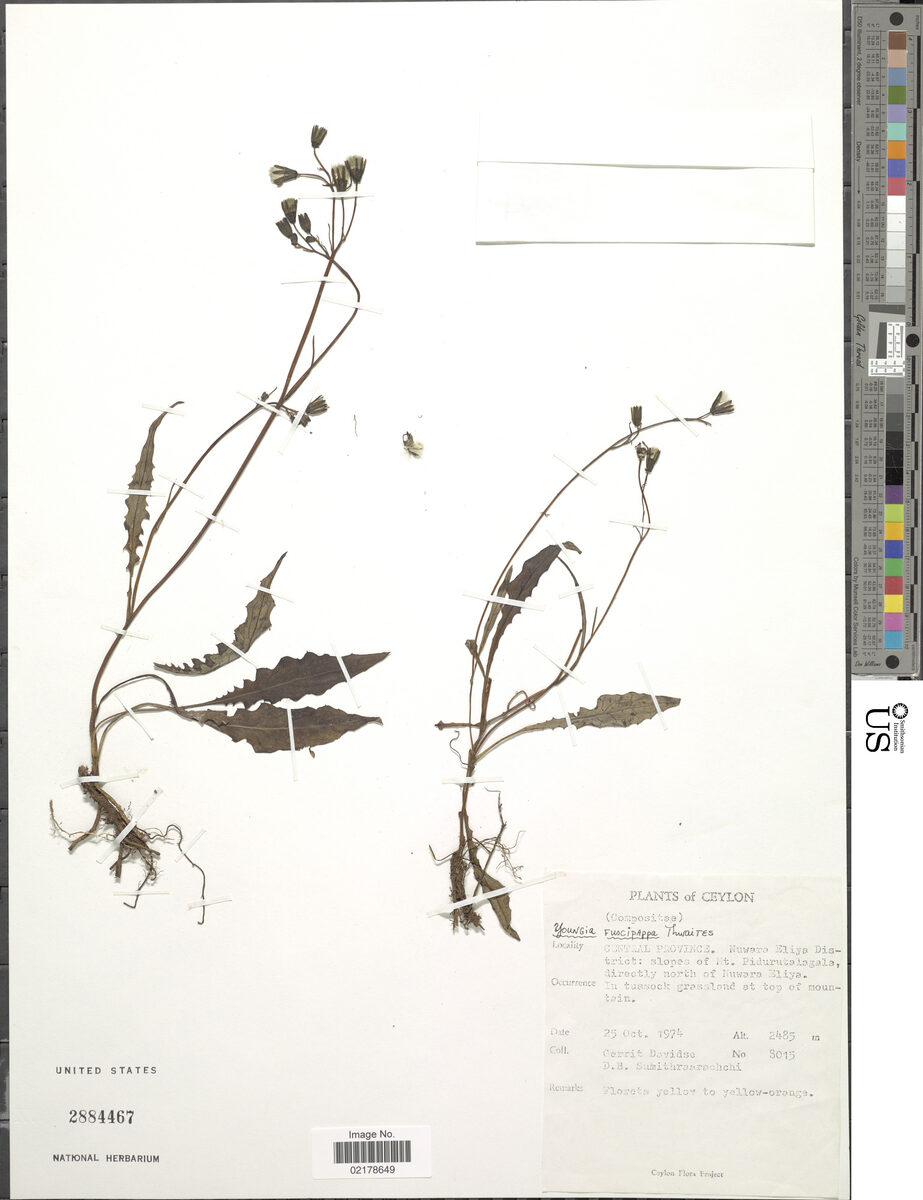
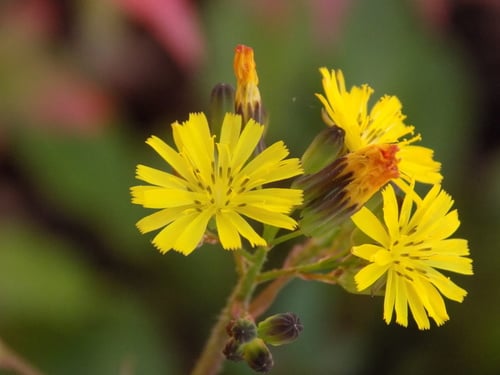
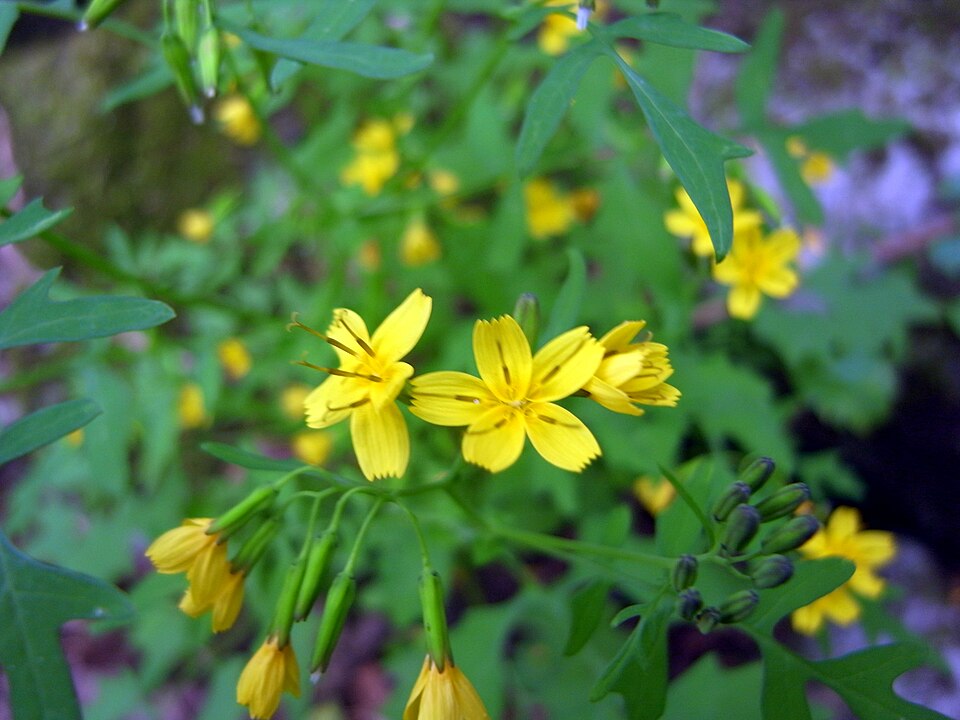
Dendranthema x grandiflorum - (Ramat.)Kitam.
(Ramat.)Kitam.
Chrysanthemum, Cut Mum, Garden Mum, Pot Mum, Florist's Chrysanthemum
gbif· cc-by-nc
Brigham Young University
gbif· cc-by-sa
GBIF
gbif· cc0
Conveyor Belt
Description
Dendranthema x grandiflorum is a PERENNIAL growing to 1.5 m (5ft) at a medium rate. See above for USDA hardiness. It is hardy to UK zone 4. It is in flower from August to October. The species is hermaphrodite (has both male and female organs) and is pollinated by Insects. Suitable for: light (sandy), medium (loamy) and heavy (clay) soils. Suitable pH: mildly acid, neutral and basic (mildly alkaline) soils. It cannot grow in the shade. It prefers moist soil.
Edible Uses
Tea. The flower heads or petals are parboiled and served as a salad with tofu and seasoned with vinegar or soya sauce. They can also be prepared as tempura, pickled, dried or added to soups. The petals contain about 1.9% protein, 0.9% fat, 5.3% carbohydrate, 0.7% ash. Leaves - cooked. Used as fritters, they are aromatic. Some varieties have been selected for their low bitterness. An aromatic tea is made from the leaves. A tangy aromatic tea is made from the flowers or flower petals. For a sweeter tea only the petals are used.
Medicinal Uses
Antibacterial Antifungal Carminative Depurative Diaphoretic Febrifuge Ophthalmic Refrigerant Sedative. Chrysanthemum flowers, known in China as Ju Hua, are a bitter aromatic herb that has been used for thousands of years in Chinese medicine. The flower heads are drunk as a refreshing tisane and are used to improve vision, soothe sore eyes, relieve headaches, counter infections etc. They are antibacterial, antifungal, anti-inflammatory, carminative, depurative, diaphoretic, febrifuge, ophthalmic, refrigerant and sedative[116, 147, 176, 218, 238]. Taken internally they dilate the coronary artery, thus increasing the flow of blood to the heart, and so are used in the treatment of hypertension, coronary heart diseases and angina. The flowers are harvested when fully open in the autumn and are dried for later use. In China they are steamed before being dried to make them less bitter. The leaf juice is smeared onto wounds.
Distribution
A hybrid of garden origin.
Where It Grows
China Southeast.
Cultivation
Succeeds in most well-drained fertile soils in a sunny position. This species is not fully hardy in Britain, many of its cultivars requiring greenhouse protection in the colder areas of the country. The chrysanthemum is widely cultivated as an ornamental flowering plant, there are many named varieties. It is also occasionally grown in the Orient for its edible leaves, a number of cultivars have been developed with leaves that are low in bitterness. It has been proposed (1999) to restore this species to Chrysanthemum as C. x morifolium Ramat. since the plant is so widely known under this name.
Propagation
Seed - sow spring to early summer in a greenhouse and only just cover the seed. It usually germinates in 10 - 18 days at 15°c but if it does not germinate within 4 weeks then try chilling the seed for 3 weeks in the salad compartment of a fridge. When they are large enough to handle, prick the seedlings out into individual pots and plant them out in the summer. This is a hybrid species and so will not breed true from seed. Division in spring. Larger clumps can be replanted direct into their permanent positions, though it is best to pot up smaller clumps and grow them on in a cold frame until they are rooting well. Plant them out in the spring.
Other Uses
Pollution. Plants have been grown indoors in pots in order to help remove toxins from the atmosphere. It is especially good at removing chemical vapours, especially formaldehyde, benzene and ammonia.
Synonyms
Also Known As
Dendranthema × grandiflorum (Ramat.) Kitam. is a synonym of Chrysanthemum × morifolium.