Blumea chinensis
(L.) DC.
wikimedia· cc-by
Wikimedia Commons - J.M.Garg
wikimedia· cc-by
Wikimedia Commons - J.M.Garg
Description
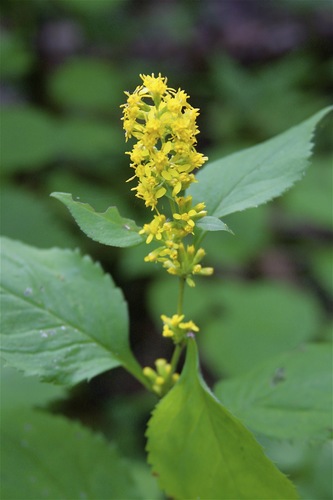
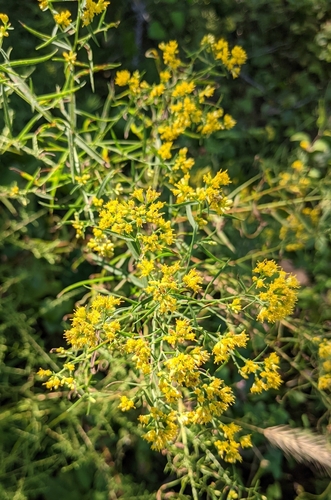
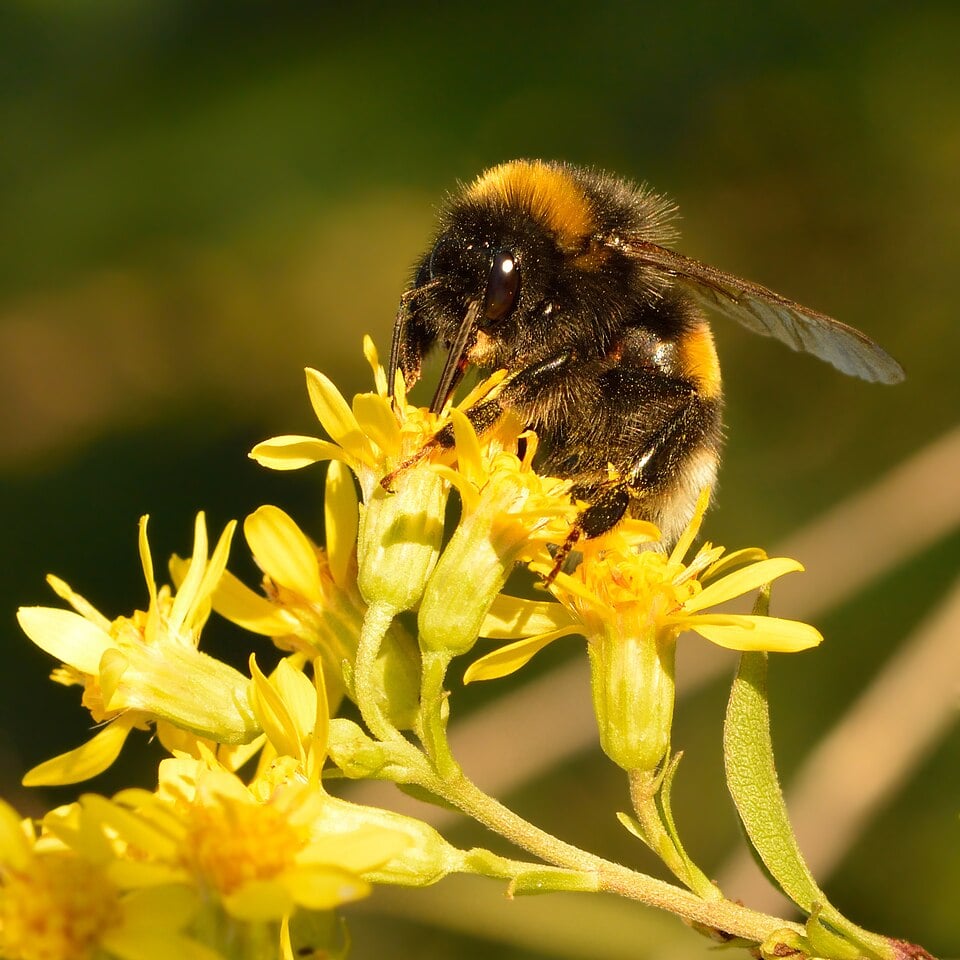
A succulent herb. It can be climbing. The stems are cylinder shape and hairy when young. They can be 1-12 m long. The leaves are alternate and have short stalks. The leaves are oval and wedge shaped at the base. The are dark green above and paler underneath. There are teeth around the edge. The leaves are 3-20 cm long by 2-7 cm wide. The flowers are at the ends of branches. There are many flower heads. They are pale yellow. There are 10-20 flowers in a head.
Edible Uses
The young shoots are cooked and eaten, having a mustard taste and used for flavouring.
Traditional Uses
The young shoots are cooked and eaten. They have a mustard taste and are used for flavouring.
This uses section is brief — help expand it
Medicinal Uses
The tree/shrub provides fodder for domesticated animals, timber for house construction (particularly house-posts), wood for fuel. The bark yields a red dye, while a decoction of the leaves is used to dye clothes black in northeast India. The fruits are edible. The bark is chewed as a kind of betel In India, the wood (called kokra or coco wood) is used, it is described as durable, hard and close-grained. It is used in construction, and for house-posts, rafters, rice pounders, and furniture. The Karbi people in Karbi Anglong district (Assam, India) use the twigs and leaves of what they call tamsir as a mordant when using black minerals to dye yarn black. The leaves are additionally used to prevent the yarn making contact with the dyeing vessel, which is held to make the yarn brittle. This latter use also occurs when dyeing with the lac insect Kerria lacca, to make pink yarn. There are many recorded uses of the species in traditional medicine in Asia, including in old Ayurvedic medical practices. In Cambodia the bark is a component of a folk-remedy to relieve tooth-ache, while the roots are used in another folk-medicine mixture to be used "against women diseases after delivery". In Mizoram it is recorded as treating many ailments. A. octandra var. malesiana has hard wood that is used for planks in houses, and for beams or furniture.
Distribution
It is a tropical plant. It grows in more moist places. They grow up to 2,000 m above sea level in Java.
Where It Grows
Asia, Indonesia, Malaysia, SE Asia,
Synonyms
Also Known As
Arej babadotan, Djonge arej, Lalangkapan
References (2)
- Ochse, J.J. et al, 1931, Vegetables of the Dutch East Indies. Asher reprint. p 120
- Seidemann J., 2005, World Spice Plants. Economic Usage, Botany, Taxonomy. Springer. p 66 (Unsure about synonyms)