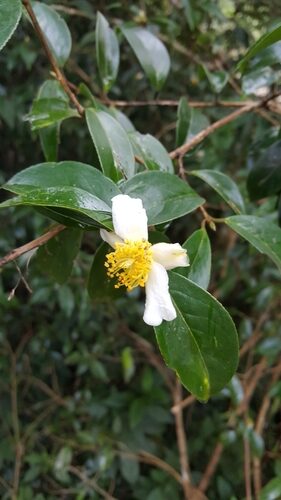
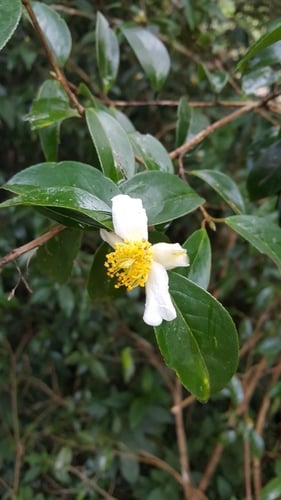
Cleyera japonica var. wallichiana
Thunb., (DC.) Sealy
iNaturalist· cc-by-nc
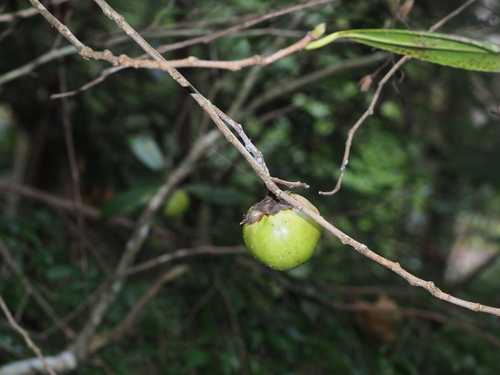
(c) 眼子菜, some rights reserved (CC BY-NC), uploaded by 眼子菜
iNaturalist· cc-by-nc
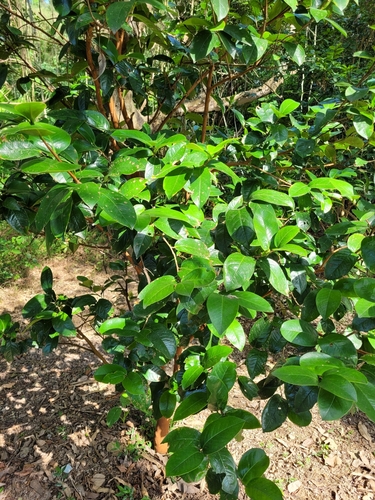
(c) Kinmatsu Lin, some rights reserved (CC BY-NC), uploaded by Kinmatsu Lin
Summary
Source: WikipediaCleyera japonica (sakaki) is a flowering evergreen tree native to warm areas of Japan, Taiwan, China, Myanmar, Nepal, and northern India (Min and Bartholomew 2015). It can reach a height of 10 m (33 ft). The leaves are 6–10 cm (2.4–3.9 in) long, smooth, oval, leathery, shiny and dark green above, yellowish-green below, with deep furrows for the leaf stem. The bark is dark reddish brown and smooth. The small, scented, cream-white flowers open in early summer, and are followed later by berries which start red and turn black when ripe. Sakaki is one of the common trees in the second layer of the evergreen oak forests. It is considered sacred to Japanese Shintō faith, and is one of the classical offerings at Shintō shrines including Tamagushi and masakaki .
Description
A small temperate tree in the Theaceae family.
This description is brief — help expand it
Edible Uses
The leaves are used to make tea.
Distribution
It is a temperate plant.
Where It Grows
Asia, Himalayas,
References (1)
- Chaudary, R. P., et al, 2004, Cleyera japonica Thunb. var. wallichiana (DC.) Sealy: A tea-beverage Plant of the Himalayas. Economic Botany 58(1):114-117