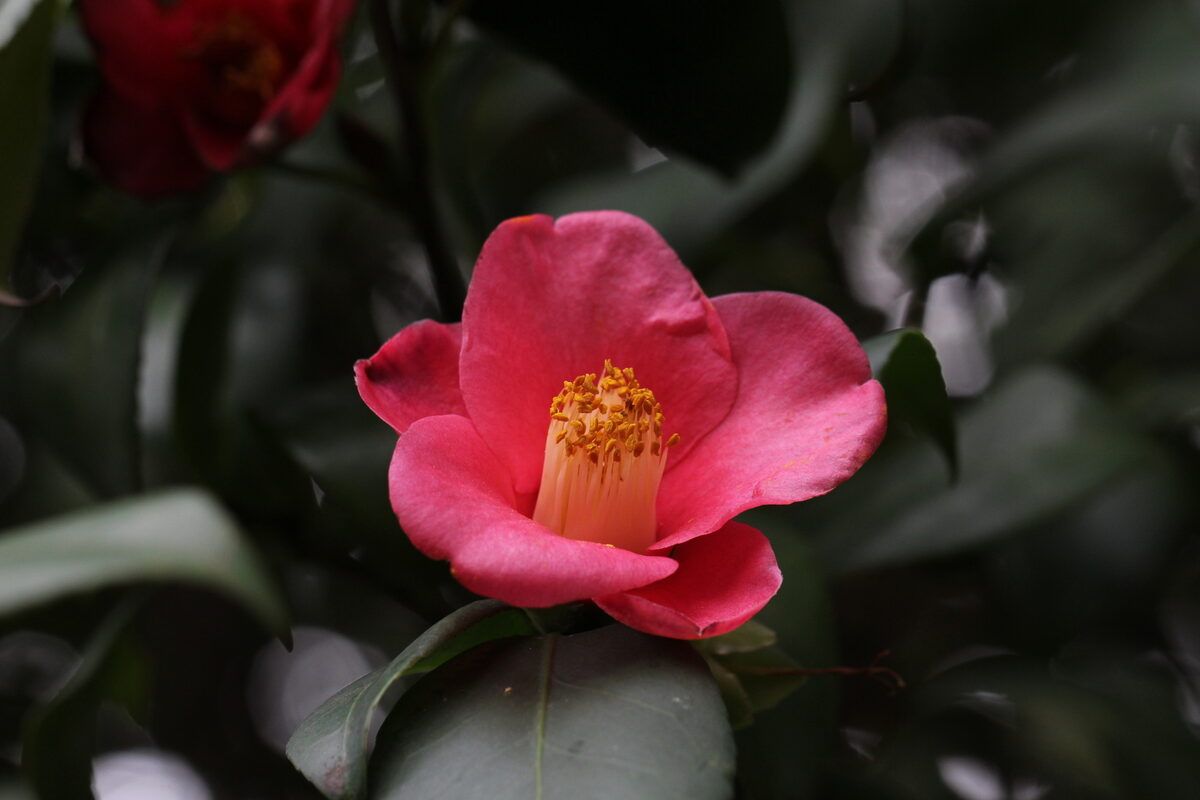
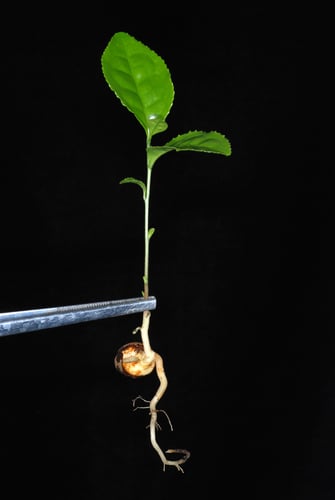
Camellia taliensis
(W.W.Sm.) Melch.
iNaturalist· cc-by-nc
(c) Colin Ogle, some rights reserved (CC BY-NC), uploaded by Colin Ogle
iNaturalist· cc-by-nc
(c) Colin Ogle, some rights reserved (CC BY-NC), uploaded by Colin Ogle
iNaturalist· cc-by
(c) Eugene Popov, some rights reserved (CC BY), uploaded by Eugene Popov
Summary
Source: WikipediaCamellia taliensis (also known as Yunnan large leaf varietal tea, wild tea, Dali tea, Yunnan broad tea, Fried egg plant and others; 大理茶) is a small species of evergreen shrub whose leaves and leaf buds are used to produce tea. It is of the genus Camellia of flowering plants in the family Theaceae. C. taliensis is an important wild relative to the cultivated tea plant Camellia sinensis. It also belongs to the same section Thea as C. sinensis. The species is cultivated on many farms in Yunnan province in China and not considered endangered. However, its wild populations are shrinking due to human caused fragmentation of the plant's natural habitat and from the excessive harvesting of the leaves for the tea market.
Description
A tropical tree in the Theaceae family with leaves used fresh in salads.
This description is brief — help expand it
Edible Uses
Young leaves are eaten fresh in salads.
Traditional Uses
The young leaves are used in salads.
This uses section is brief — help expand it
Distribution
It is a tropical plant.
Where It Grows
Asia, Myanmar, SE Asia,
Synonyms
Also Known As
Taw-la-phat
References (1)
- Shin, T., et al, 2018, Traditional knowledge of wild edible plants with special emphasis on medicinal uses in Southern Shan State, Myanmar. Journal of Ethnobiology and Ethnomedicine (2018) 14:48