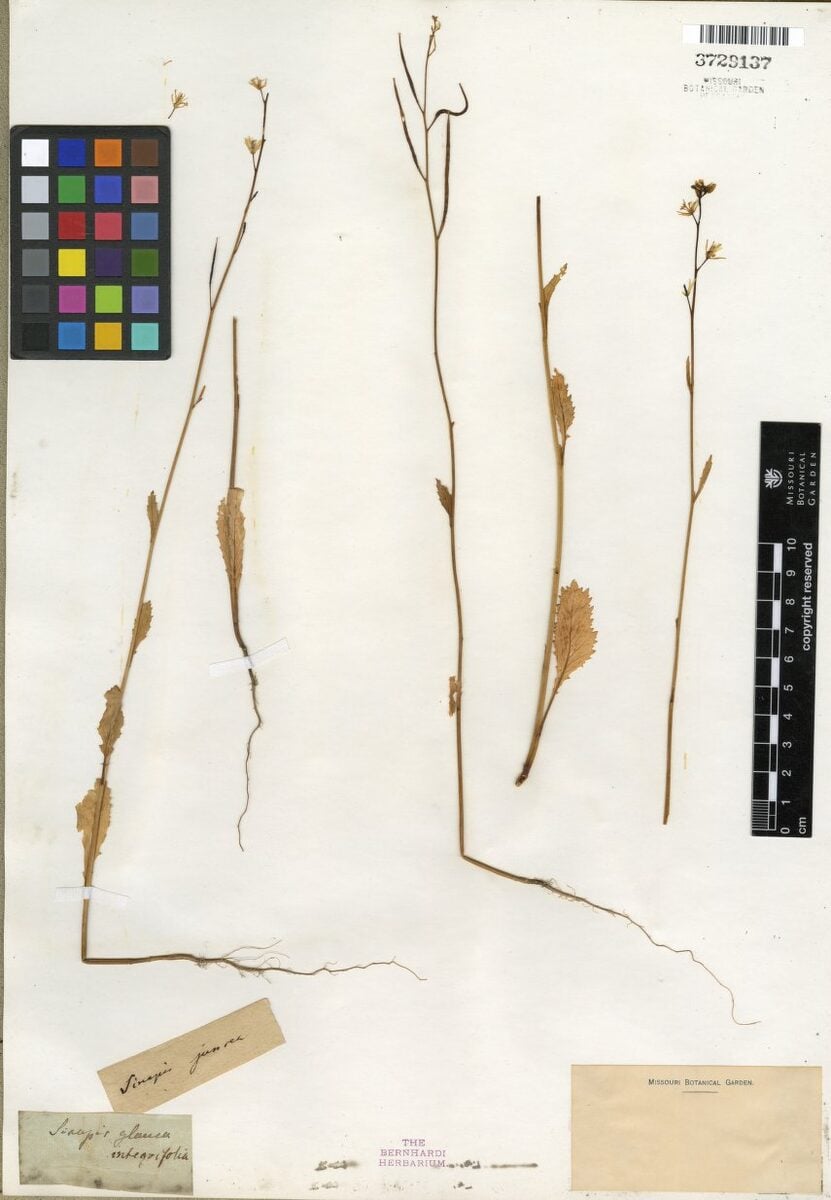
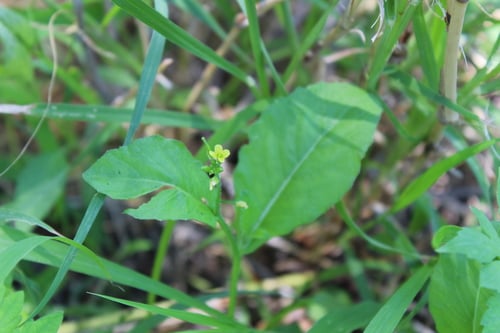
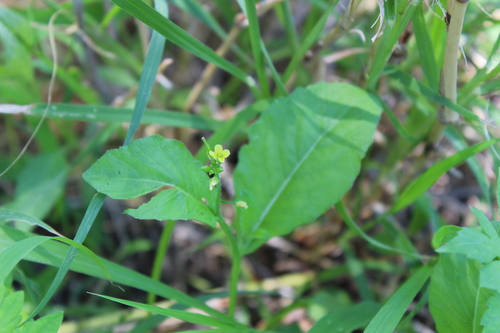
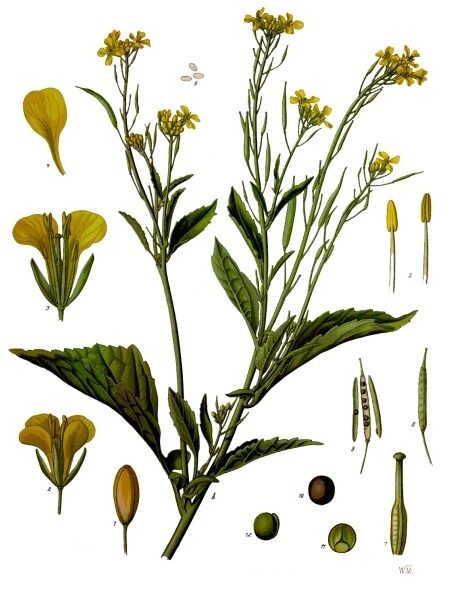
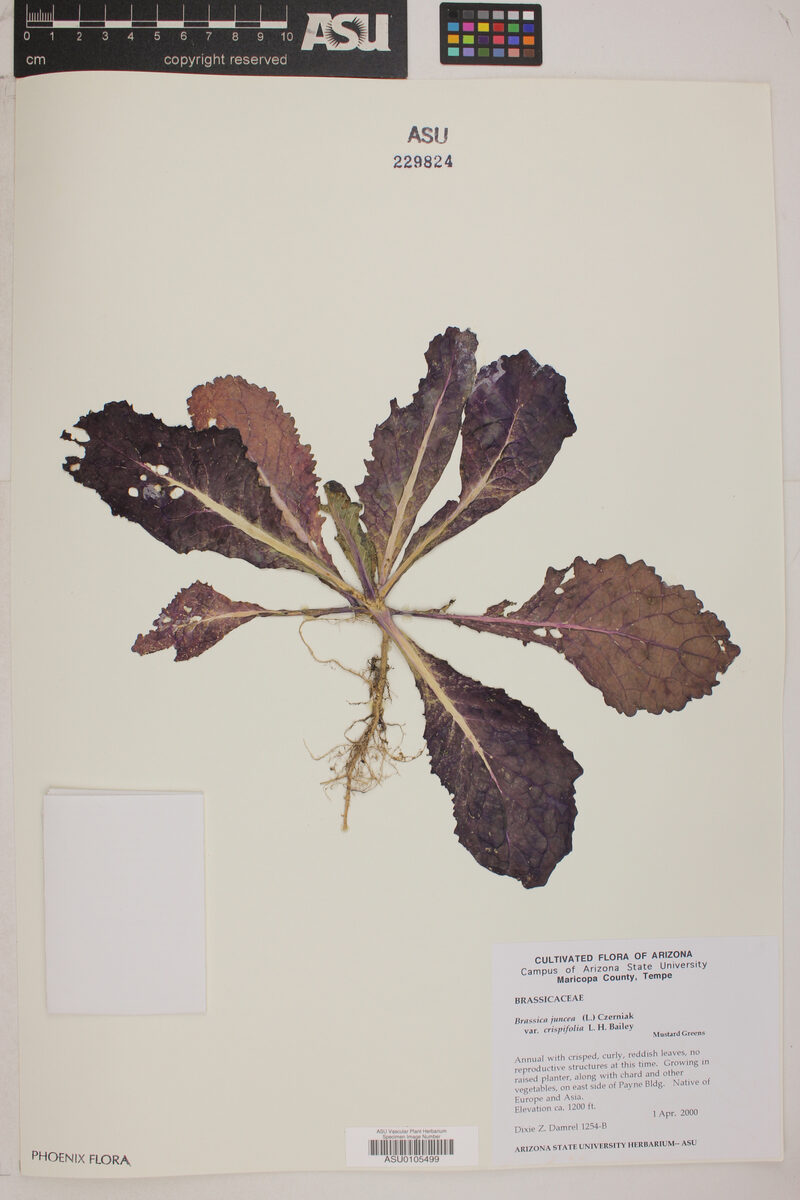
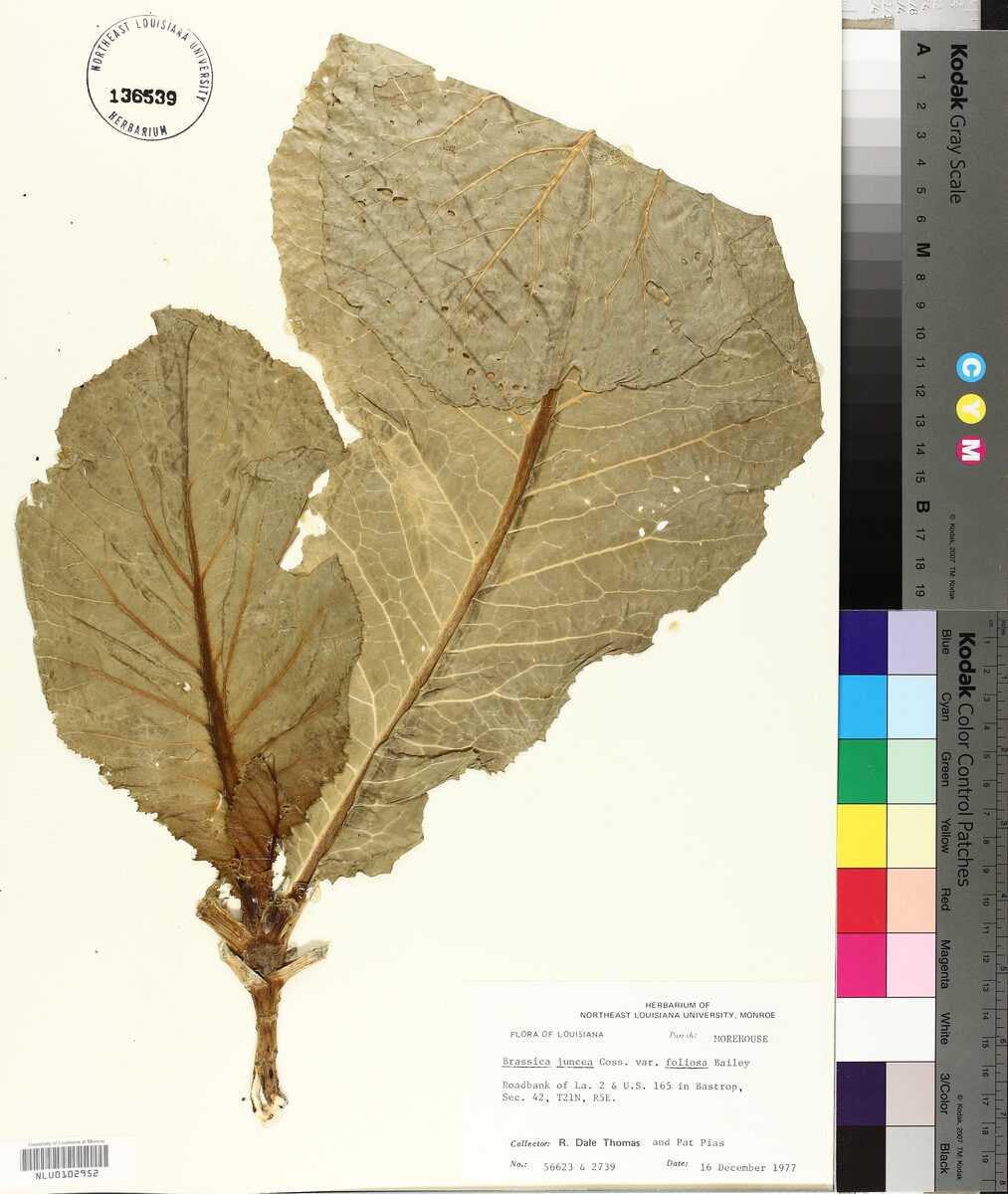
Camelina rumelica
Velen.
Graceful false flax
iNaturalist· cc-by-nc
(c) Вадим, some rights reserved (CC BY-NC), uploaded by Вадим
iNaturalist· cc-by-nc
(c) Вадим, some rights reserved (CC BY-NC), uploaded by Вадим
iNaturalist· cc-by-nc
(c) Вадим, some rights reserved (CC BY-NC), uploaded by Вадим
Description
Camelina rumelica is a ANNUAL growing to 0.4 m (1ft 4in) by 0.1 m (0ft 4in) at a fast rate. See above for USDA hardiness. It is hardy to UK zone 6 and is not frost tender. The flowers are pollinated by Insects. Suitable for: light (sandy), medium (loamy) and heavy (clay) soils and prefers well-drained soil. Suitable pH: mildly acid, neutral and basic (mildly alkaline) soils. It cannot grow in the shade. It prefers dry or moist soil.
Edible Uses
A wild edible green containing unusually high potassium levels. A genetically modified form of Camelina sativa (not Camelina rumelica) has been developed to produce Eicosapentaenoic acid (EPA) and Docosahexaenoic acid (DHA) at levels comparable to fish oil. EPA and DHA are long-chain omega-3 fatty acids beneficial for cardiovascular health. Traditionally sourced from fish, these omega-3 fatty acids face limitations and sustainability concerns .
Distribution
SE. Europe to Central Asia and N. Pakistan.
Where It Grows
Native to: Afghanistan, Albania, Bulgaria, Cyprus, Egypt, Greece, Iran, Iraq, Kirgizstan, Krym, Lebanon-Syria, North Caucasus, Pakistan, Romania, Tadzhikistan, Transcaucasus, Turkey, Turkey-in-Europe, Turkmenistan, Ukraine, Uzbekistan, Croatia, Montenegro, Serbia, Slovenia, Bosnia and Herzegovina, and Macedonia.
Cultivation
An annual or biennial weed. Flowering May to Jun (Northern Hemisphere). Elevations of 100–1500m. Flower colour: yellow. No nitrogen-fixing symbionts.
Propagation
Seed.
Synonyms
Also Known As
Romanian Gold-of-Pleasure. German: Saat-Leindotter. Austria: Balkanischer Leindotter. Sweden: balkand'dra.