Caesalpinia spinosa - (Molina) Kuntze
(Molina) Kuntze
Spiny Holdback, Tara
gbif· cc-by-nc-nd
jeaninedb
gbif· cc-by
GBIF
gbif· cc-by
GBIF
Description
Caesalpinia spinosa is an evergreen Tree growing to 6 m (19ft) by 6 m (19ft) at a fast rate. See above for USDA hardiness. It is hardy to UK zone 10 and is frost tender. It is noted for attracting wildlife. Suitable for: light (sandy), medium (loamy) and heavy (clay) soils and prefers well-drained soil. Suitable pH: neutral and basic (mildly alkaline) soils and can grow in very alkaline soils. It can grow in semi-shade (light woodland) or no shade. It prefers moist soil. The plant is not wind tolerant.
Edible Uses
Gum. The endosperm of the seed (22% of the total seed weight) yields a gum of commercial value. It is a white to yellowish powder and consists chiefly of galactomannan-type polysaccharides. The gum is used as a thickening agent and stabilizer in the food industry.
Medicinal Uses
Febrifuge Ophthalmic. The powder contained within the seedpods is used as an eyewash. An infusions of the pods is used in Peru for inflamed tonsils or washing wounds; it is also used for fevers, colds and stomach aches.
Known Hazards
The high tannin content of the pods may be lethal if consumed in large quantities by animals.
Distribution
S. America - Argentina, northern Chile, Bolivia, Peru, Ecuador, Colombia, Venezuela.
Where It Grows
SOUTHERN AMERICA: Venezuela, Bolivia, Colombia, Ecuador, Peru, Argentina, Chile (north)
Cultivation
A plant of higher elevations in the Andean mountains, it has been cultivated from the warm temperate to the very dry and seasonally wet tropics. It can grow in areas where the mean annual temperatures are within the range 14° - 28°c, and the mean annual rainfall is in the range 660 - 1,730mm. Succeeds in full sun and partial sun. Prefers a pH in the range 6.8 - 7.5. A fast-growing plant. Although many species within the family Fabaceae have a symbiotic relationship with soil bacteria, this species is said to be devoid of such a relationship and therefore does not fix atmospheric nitrogen.
Propagation
Seed - it has a hard seedcoat and benefits from scarification before sowing in order to speed up and improve germination. This can usually be done by pouring a small amount of nearly boiling water on the seeds (being careful not to cook them!) and then soaking them for 12 - 24 hours in warm water. By this time they should have imbibed moisture and swollen - if they have not, then carefully make a nick in the seedcoat (being careful not to damage the embryo) and soak for a further 12 hours before sowing. Direct sow outdoors in fall . Seed Collecting: Allow seedheads to dry on plants; remove and collect seeds. Properly cleaned, seed can be successfully stored.
Other Uses
Dye Fencing Gum Tannin Wood. Other uses rating: High (4/5). Agroforestry Uses: The plant is sometimes grown as a live fence in Peru[303. Other Uses: The pods contain around 50% tannin, about twice as much as sumac (Rhus spp). An excellent source of environmentally friendly tannins (tara tannins) most commonly used in the manufacture of automotive and furniture leathers. The high content of hydrolysable tan has made it interesting for the extraction of gallic acid and ink manufacturing. Sticks of the wood are split up finely; urine is poured over the pieces of wood, which are then set out in the sun. Urine is repeatedly poured over them, until they are well soaked. After airing, the sticks are boiled in water, together with red tiri (Stereoxylon resinosum) and woollen or cotton fabrics. The dye produced is a purplish red. The dried fruit is boiled with a bit of soot and woollens soaked in iron sulphate or vitriol without acid. The fabric produced will be dyed a beautiful clove colour. A gum is obtained from the seed. It is used in the food industry. The wood is durable. This plant is attractive to bees, butterflies and/or birds. Grown as an ornamental plant because of its large colorful flowers and pods.
Synonyms
Also Known As
Spiny Holdback, Caesalpinia spinosa. Common names: Spiny Holdback, Tailin, Vainilla, Tallo, Tara.
More from Fabaceae
Gleditsia koraiensis
Korean Honey Locust
Gleditsia sinensis
Chinese honey locust, Soap bean tree, Soap pod, Chinese soap-pod tree, Chinese locust
Gleditsia triacanthos
Honey locust, Thorny locust
Gliricidia sepium
Mother-of-cacao
Glycine clandestina
Twining Glycine, Lover’s Twine
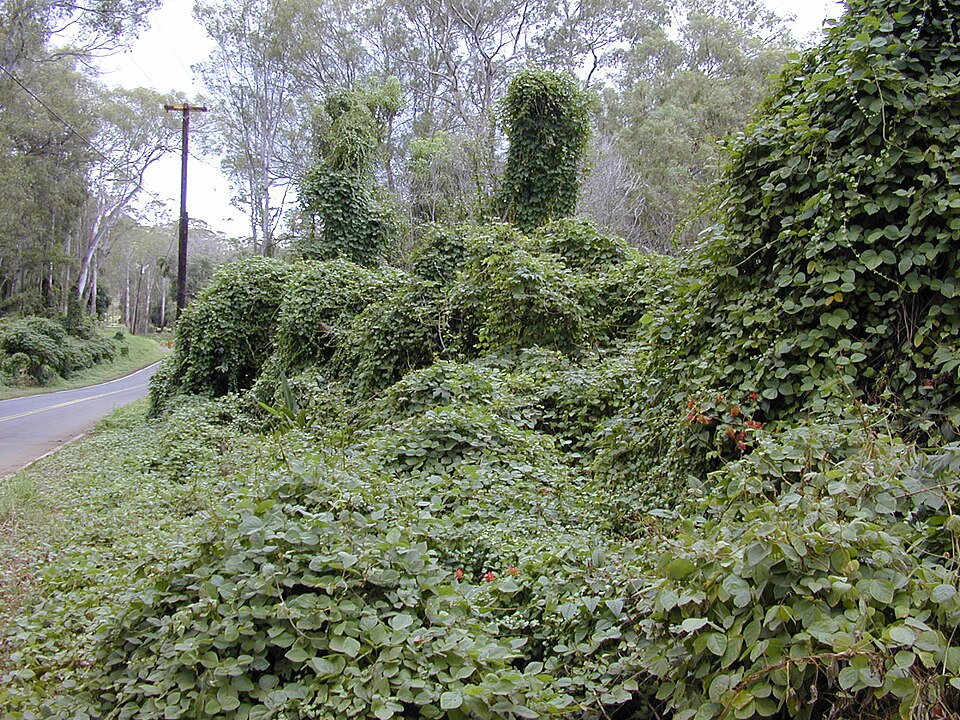
Glycine laurentii