Acacia mearnsii
De Wild.
Late black wattle
iNaturalist· cc-by-nc-sa
(c) enbodenumer, some rights reserved (CC BY-NC-SA)
iNaturalist· cc-by-nc
(c) Stargazer, some rights reserved (CC BY-NC), uploaded by Stargazer
iNaturalist· cc-by-nc
(c) Garry French, some rights reserved (CC BY-NC), uploaded by Garry French
Summary
Source: WikipediaAcacia mearnsii, commonly known as black wattle, late black wattle or green wattle, is a species of flowering plant in the family Fabaceae and is endemic to south-eastern Australia. It is usually an erect tree with smooth bark, bipinnate leaves and spherical heads of fragrant pale yellow or cream-coloured flowers followed by black to reddish brown pods. In some other parts of the world, it is regarded as an invasive species.
Description
A shrub or small tree. It grows 5 m tall. There are prickles along the stem. The leaves are twice divided and there are 8-18 pairs of pinnae. There are up to 50 pairs of pinnules on each pinnae. The flowers are yellow. They are in large clusters at the ends of branches. The pods are flattened.
Edible Uses
The gum and seeds are both edible. The gum is eaten directly and can also be dissolved in water to make drinks.
Traditional Uses
The gum is eaten and dissolved in water and used to make drinks.
This uses section is brief — help expand it
Medicinal Uses
The bark is rich in tannins and can be used in the many ways astringents are employed medicinally: taken internally to treat diarrhoea and dysentery, to address haemorrhoids and stop internal bleeding; and applied externally to bathe cuts and abrasions, as a mouthwash to tighten the teeth in the gums, and similar uses.
Known Hazards
Especially in times of drought, many Acacia species can concentrate high levels of the toxin Hydrogen cyanide in their foliage, making them dangerous for herbivores to eat.
Distribution
It grows naturally on black peaty soils, brown sandy clays and along riverbanks and swampy flats. It is best in full sun. Tasmania Herbarium. Arboretum Tasmania. In Sichuan and Yunnan.
Where It Grows
Africa, Asia, Australia, Belgium, Brazil, Caribbean, China, East Africa, Eswatini, Ethiopia, Europe, Hawaii, India, Italy, Jamaica, Kenya, Madagascar, Mediterranean, Mozambique, New Zealand, North America, Pacific, Pakistan, Portugal, Reunion, Rwanda, Seychelles, South Africa, Southern Africa, South America, Spain, Sri Lanka, St Helena, Swaziland, Taiwan, Tanzania, Tasmania, Uganda, USA, West Indies, Zambia, Zimbabwe,
Cultivation
A plant of warm temperate to subtropical areas, it can also be grown at moderate to high elevations in the tropics. It is found at elevations from 300 - 2,440 metres in areas where the mean annual temperature is in the range 9 - 20c and the mean annual rainfall is 500 - 2,050 mm. It prefers a moderate climate, exhibiting great intolerance to extreme heat or cold. Its lower altitudinal range is decided by the fact that trees cannot stand high summer temperatures, and the upper altitudinal limit is based on the fact that the tree does not tolerate temperatures below 0c. Winter frosts and cold winds during the early part of the rainy season affect growth and survival rate, but older trees can withstand mild frost. Localities experiencing severe hailstorms and snowfall are unsuitable. Flourishes in deep, well drained, light textured and moist soils. It thrives in well-aerated, neutral to acid soils, loamy soils, soils derived from shale or slate and is highly intolerant of alkaline and calcareous soils. Soils with lateritic pan close to the surface are most unsuitable. Adequate soil moisture is a prerequisite for satisfactory growth. Trees cannot withstand drought because of their superficial root system and high rate of transpiration. In Hawaii, A. Mearnsii is a noxious weed and spreads prolifically at elevations between 600 - 1,200 metres in the 1,000 - 1,200 mm rainfall zones. The plant is also showing signs of being invasive in other areas, helped particularly by its prolific seed production and the long viability of the seeds in the soil. Trees begin to yield fertile seed from the age of 5 years, giving good annual crops. The tree regenerates naturally from seed after burning in clear-felled plantations. Seed may lie dormant in the soil for up to 6 years without loss of viability. The trees have strong light requirements and respond to thinning in the early years. Growth rate is comparatively slow for the first 1 or 2 years. Thereafter, both height and diameter increments are rapid up to the age of 6 - 7 years, after which they fall off gradually. The tree has low coppicing power. Taproot development largely depends upon the depth of the soil, but the tree has the general tendency to develop a superficial lateral root system. Because of this, trees are liable to being uprooted by strong gales during the monsoon season. This species has a symbiotic relationship with certain soil bacteria, these bacteria form nodules on the roots and fix atmospheric nitrogen. Some of this nitrogen is utilized by the growing plant but some can also be used by other plants growing nearby.
Propagation
Seed requires pre-treatment to allow water to penetrate the hard seed coat, achieved either by abrading the coat or by soaking in hot water. A common method is to pour near-boiling water over the seeds — which cools quickly without killing them — then leave the seeds in warm water for 12–24 hours before sowing. A germination rate of 75% occurs in 7–15 days. Sown seeds are covered with bracken fronds to reduce evaporation and runoff during watering; the cover is removed after germination. Seedlings are pricked out when 5–6 cm tall with 3 or 4 pairs of leaves, planted into polythene bags 13 x 8 cm, and watered daily until out-planting. Seedlings must be shifted frequently to prevent them striking roots in the ground and should be about 9 months old at the time of planting. Seeds stored in airtight containers at room temperature maintain viability for several years. Vegetative propagation by rooted cuttings is difficult.
Other Uses
Black wattle grows well at high elevations, even on slopes with shallow, poor, acid, or unstable soils unsuitable for agriculture, making it very effective for preventing soil erosion. Densely packed plantations have proved effective on hillsides of up to 50 degrees slope. The tree has been planted as a shelterbelt, firebelt, and shade tree in plantations. It is an efficient nitrogen-fixer and a good source of green manure, helping to restore and regenerate soils. Wattle bark is the most widely used tannin material in the world, containing 30–45% (dry basis) high-quality tannins. A powdered bark extract is used to prepare tannin formaldehyde adhesives for exterior grade plywood, particleboard, and laminated timber, and possibilities for using the bark in biodegradable polyurethane foam production are being tested. The heartwood is pale brown with a pinkish tinge, not sharply demarcated from the sapwood; texture is moderately fine and uniform, grain commonly interlocked, lustre medium, with no distinctive odour or taste. The wood is moderately hard to hard, heavy, fairly tough and strong, but not very durable. It dries rapidly but with pronounced warp, particularly cupping; shakes tend to open and knots split slightly. It is moderately easy to work and polishes well, used for house poles, mine props, tool handles, cabinet work, joinery, flooring, construction timber, and matchwood. Pulp productivity is about 320 kg/cubic metre, yielding pulp with good strength characteristics suitable for wrapping paper and hardboard, and also for rayon. The wood is a valuable fuel: moderately dense with a specific gravity of about 0.75, it splits easily and burns well with a calorific value of 3,500–4,600 kcal/kg. Charcoal is extensively used in Brazil and Kenya, and in Indonesia the tree is widely used as domestic fuel and for curing tobacco.
Production
The gum oozes from the trunk when damaged.
Other Information
It is cultivated.
Notes
There are about 1,350 Acacia species. Over 1,000 occur in Australia. Also as Mimosaceae.
Synonyms
Also Known As
Currong, Garrong, Swartwattel, Warrarakk
References (14)
- Caton, J.M. & Hardwick, R. J., 2016, Field Guide to Useful Native Plants from Temperate Australia. Harbour Publishing House. p 120
- De Angelis, D., 2005, Aboriginal Plant Use of the Greater Melbourne Area. La Trobe University Environment Collective
- Flora of Pakistan. www.eFloras.org
- Gott, B & Conran, J., 1991, Victorian Koorie Plants. PO Box 666 Hamilton, Victoria 3300, Australia. p 44
- Hastings Advance Community College, 2017, Uses for Native Plants of the Mornington Peninsula. 86pp. p 8
Show all 14 references Hide references
- Paczkowska, G . & Chapman, A.R., 2000, The Western Australian Flora. A Descriptive Catalogue. Western Australian Herbarium. p 315
- Pl. bequaert. 3:61. 1925
- Tasmanian Herbarium Vascular Plants list p 39
- van Wyk, B, van Wyk, P, and van Wyk B., 2000, Photographic guide to Trees of Southern Africa. Briza. p 34
- World Checklist of Useful Plant Species 2020. Royal Botanic Gardens, Kew
- www.ceres.org/au/bushfood catalogue
- www.fsd.monash.edu.au/files/bethgottpamphley_po.pdf
- Zeven, A. C. & de West, J. M. J., 1982, Dictionary of cultivated plants and their regions of diversity. Wageningen. p 65
- Zola, N., & Gott, B., 1992, Koorie Plants Koorie People. Koorie Heritage Trust. p 51
More from Fabaceae
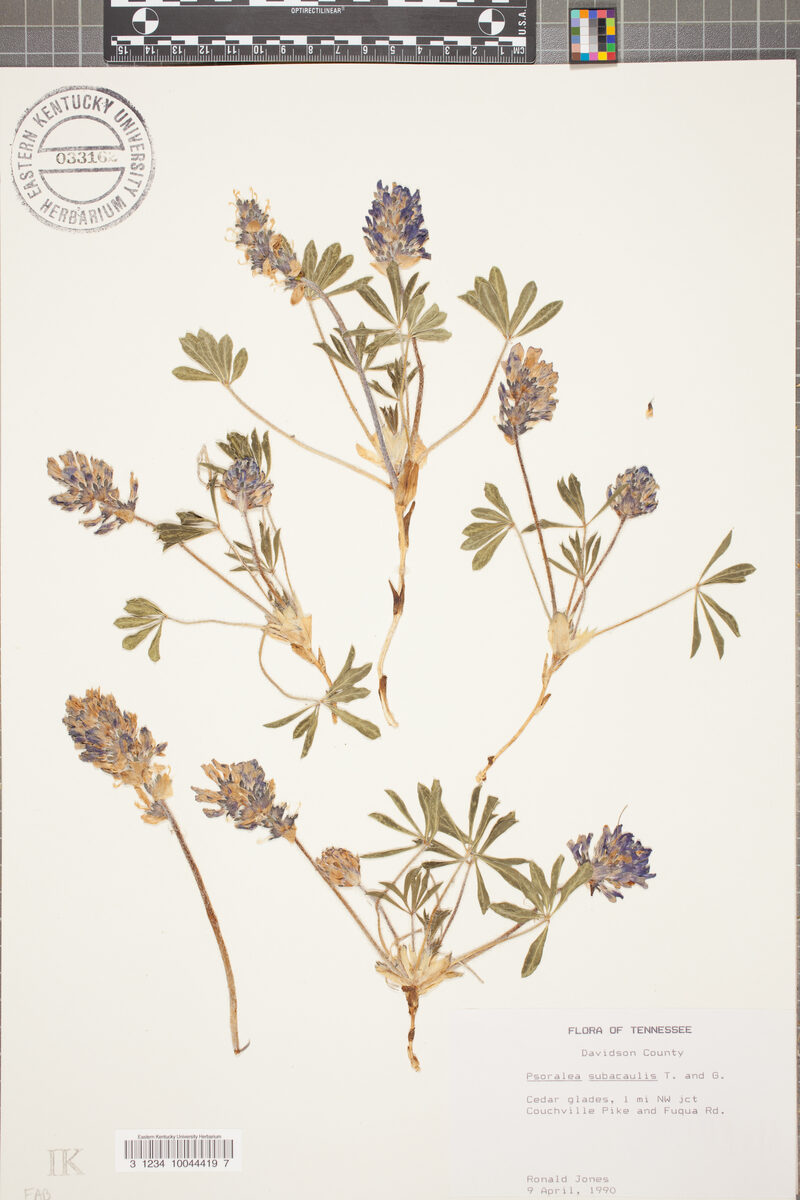
Psoralea subacaulis
Whiterim scurfpea
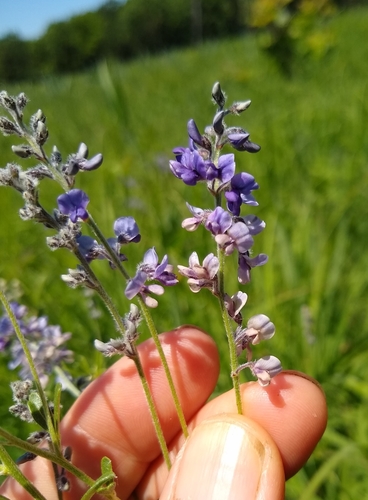
Psoralea tenuiflora
Slender-flower Lemonweed
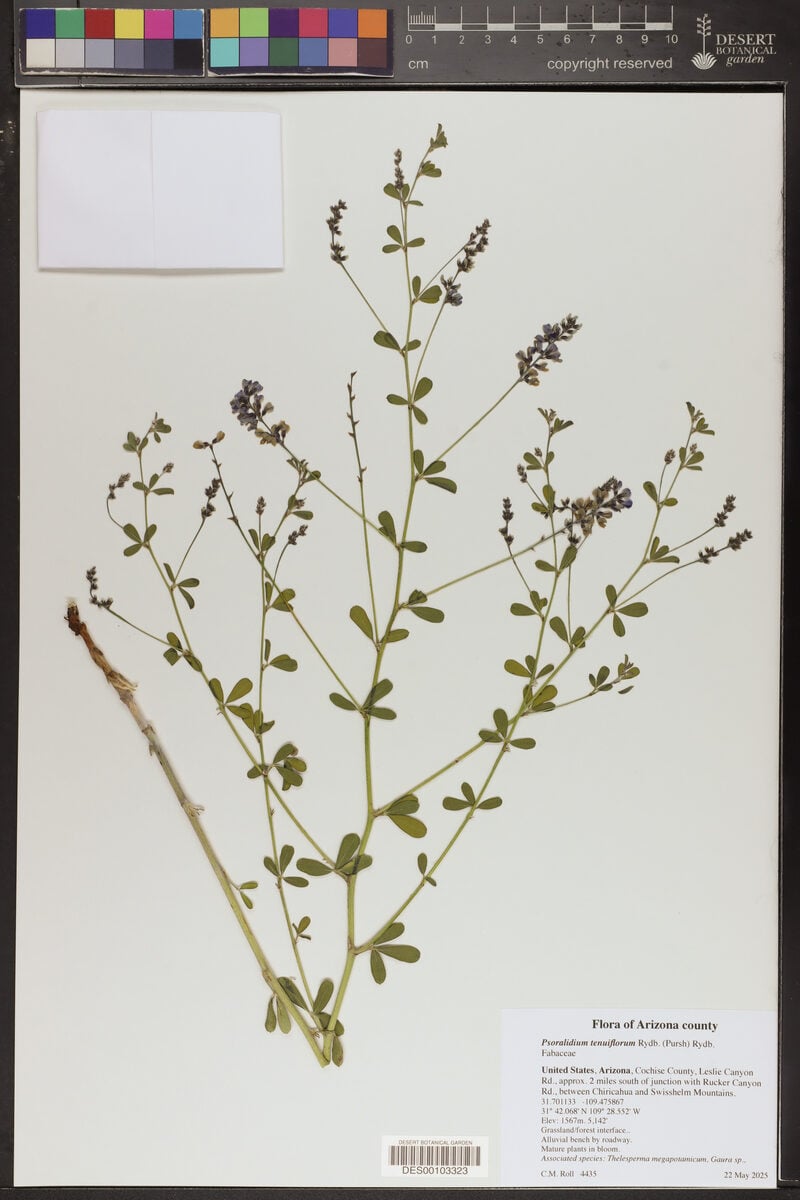
Psoralidium tenuiflorum - (Pursh) A.N.Egan & Reveal
Slender Scurfy Pea
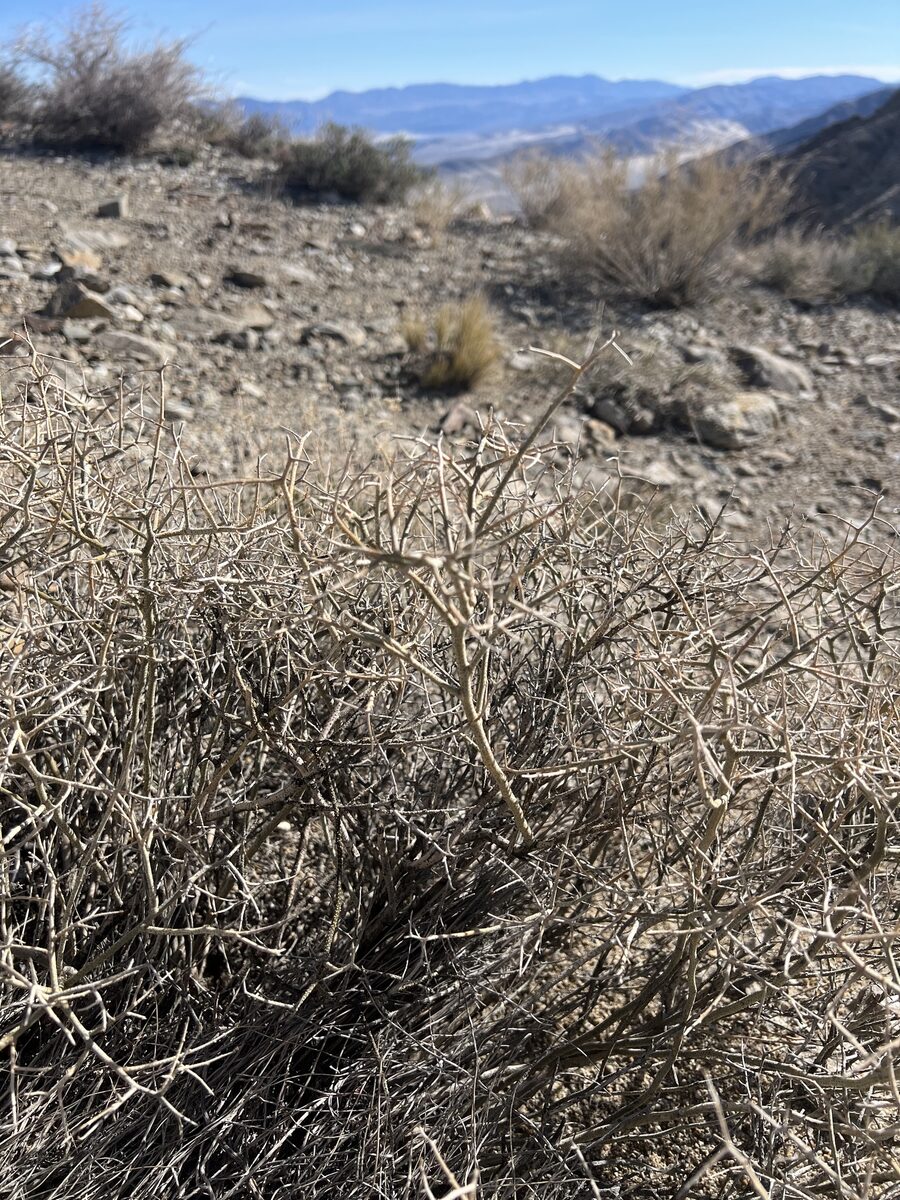
Psorothamnus polydenius - (Torr. ex S.Watson) Rydb.
Nevada smokebush
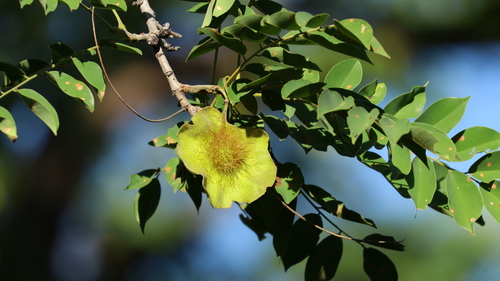
Pterocarpus angolensis
Bloodwood
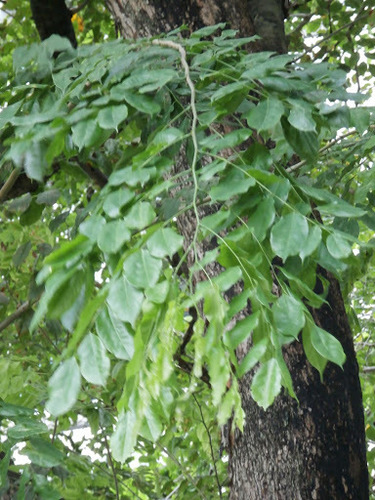
Pterocarpus dalbergioides
Andaman padauk, Andaman redwood