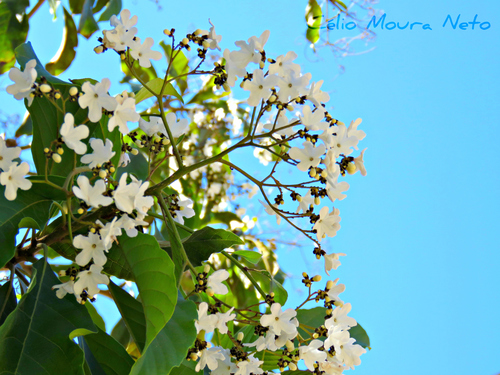
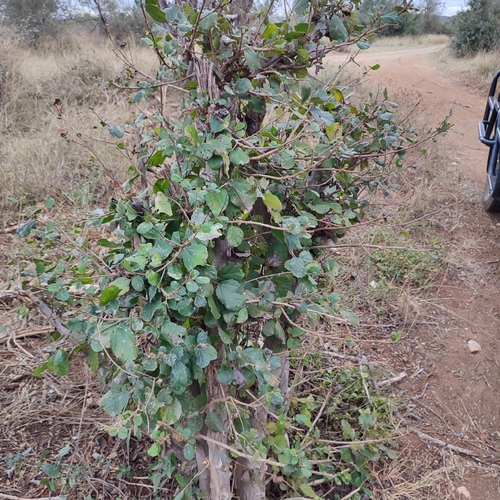
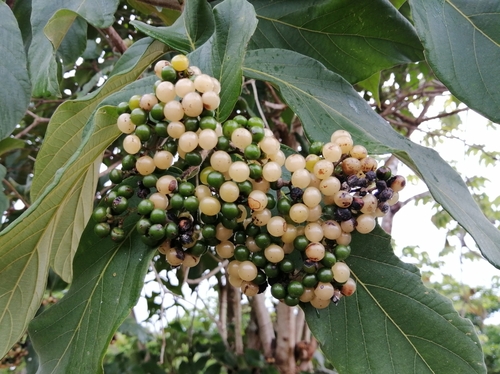
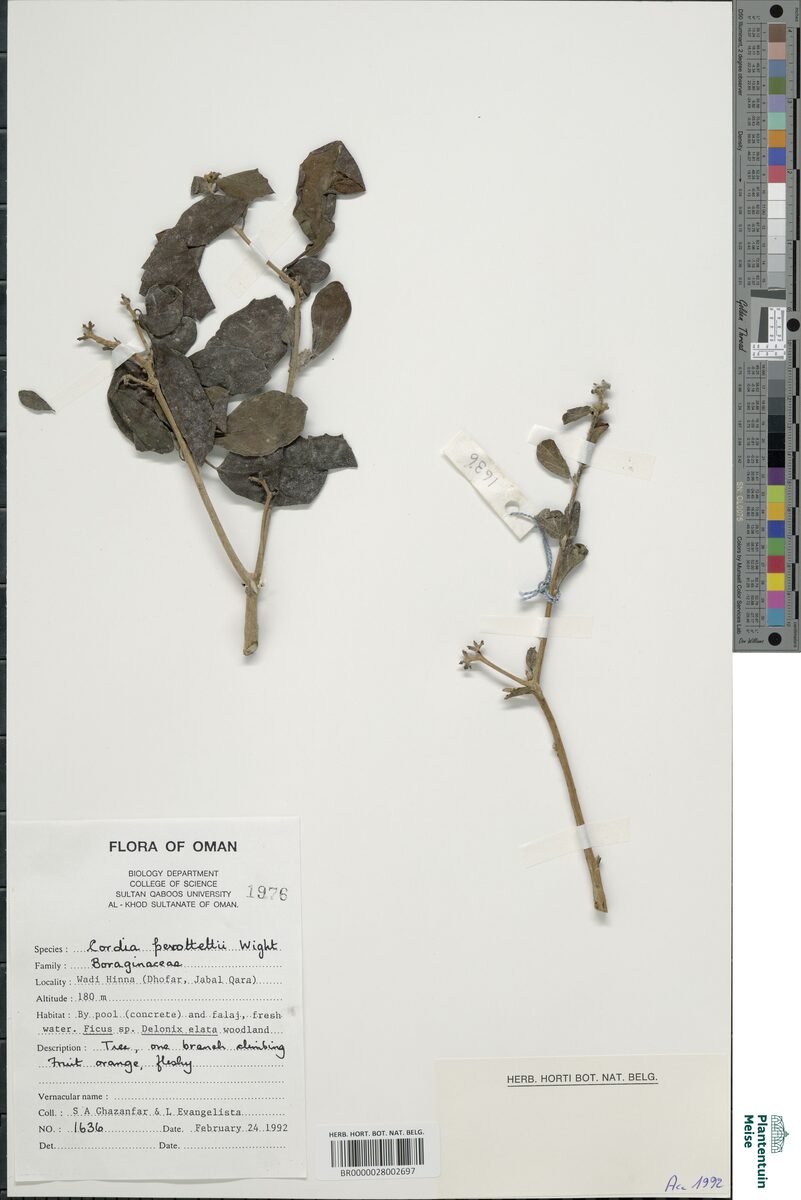
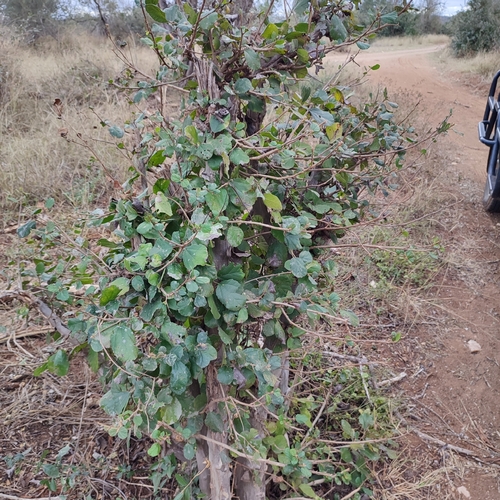
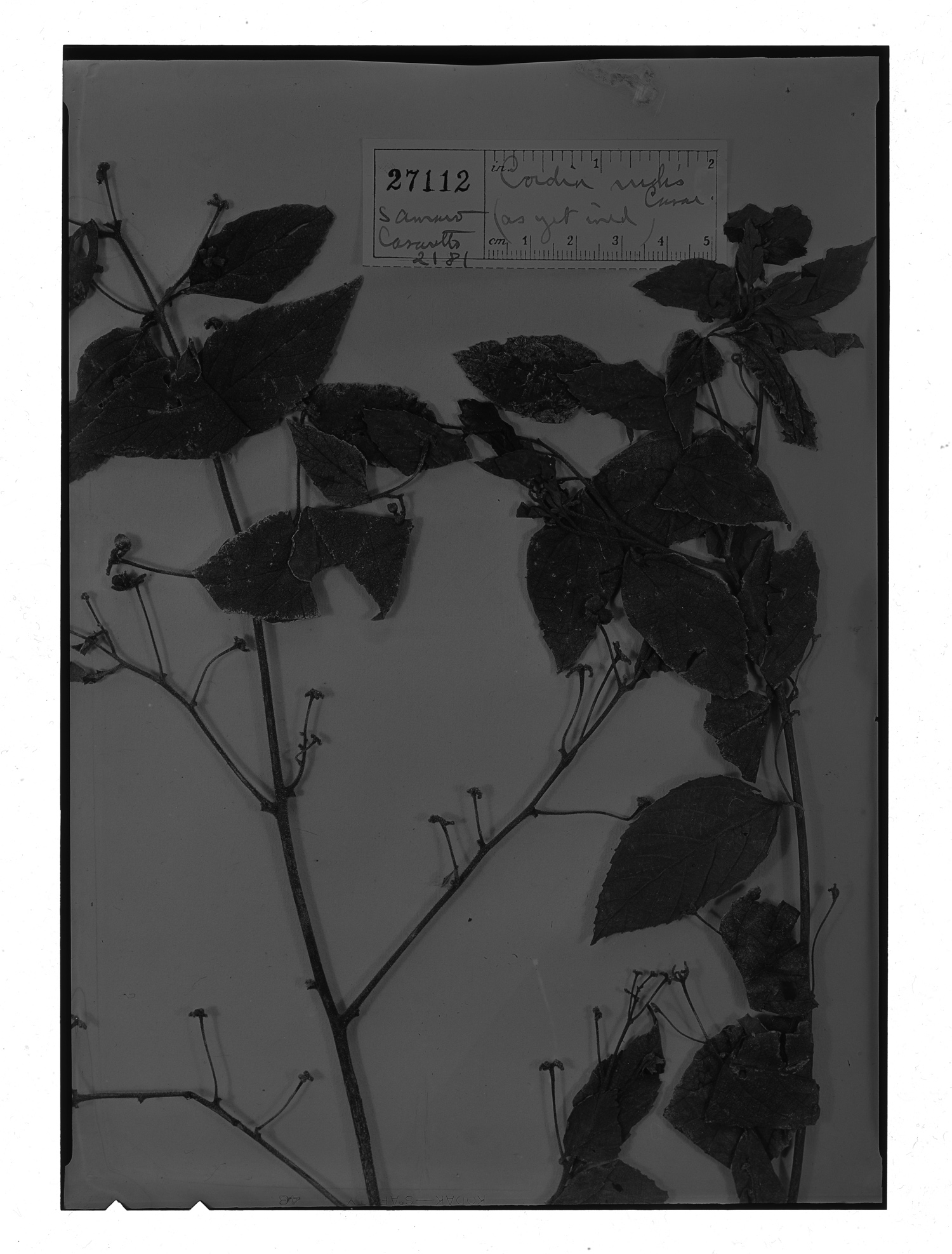
Eriodictyon trichocalyx
A. A. Heller.
Hairy yerba santa
iNaturalist· cc-by-nc
(c) Don Rideout, some rights reserved (CC BY-NC)
iNaturalist· cc-by-nc
(c) birgitknorr, some rights reserved (CC BY-NC), uploaded by birgitknorr
Summary
Source: WikipediaEriodictyon trichocalyx is a species of flowering plant in the family Namaceae known by the common name hairy yerba santa.
Description
A shrub. It grows 2 m tall. The leaves are oval to sword shaped and 14 cm long. They are hairy or woolly. The flowers are bell shaped and light purple.
Edible Uses
The fresh or dried leaves can be brewed into a tea and have also been used as a wayside nibble to quench thirst.
Traditional Uses
The fresh or dried leaves are boiled into tea.
This uses section is brief — help expand it
Medicinal Uses
The leaves act as a blood purifier and febrifuge. A poultice of freshly pounded leaves can be applied directly to relieve pain in rheumatic joints. A decoction of the leaves taken internally has been used to treat TB, sore throats, rheumatism, asthma, catarrh, fevers, coughs, and colds.
Distribution
It is a temperate plant.
Where It Grows
Central America, Mexico, North America, USA,
Cultivation
Requires a position in full sun in a well-drained sandy soil. This species is not hardy in the colder areas of the country, it tolerates temperatures down to about -5°c. It is probably best grown against a sunny wall.
Propagation
Sow seed in spring in a greenhouse. When seedlings are large enough to handle, prick them out into individual pots and grow them on under glass for at least their first winter. Plant out into permanent positions in late spring or early summer, after the last expected frosts.
Other Uses
This plant has been used in California both as a fire-break and for erosion control and soil stabilization.
Notes
Also put in the family Hydrophyllaceae. The leaves are used as medicine.
References (3)
- Moerman, D. F., 2010, Native American Ethnobotany. Timber Press. p 221
- Muhlenbergia 1:108. 1904
- Plants for a Future database, The Field, Penpol, Lostwithiel, Cornwall, PL22 0NG, UK. http://www.scs.leeds.ac.uk/pfaf/