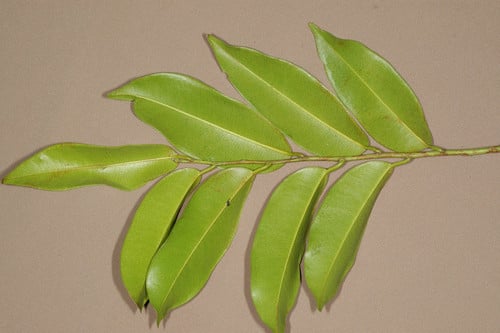
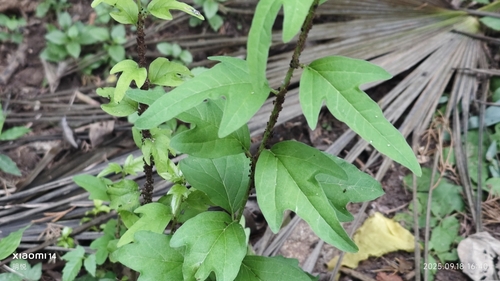
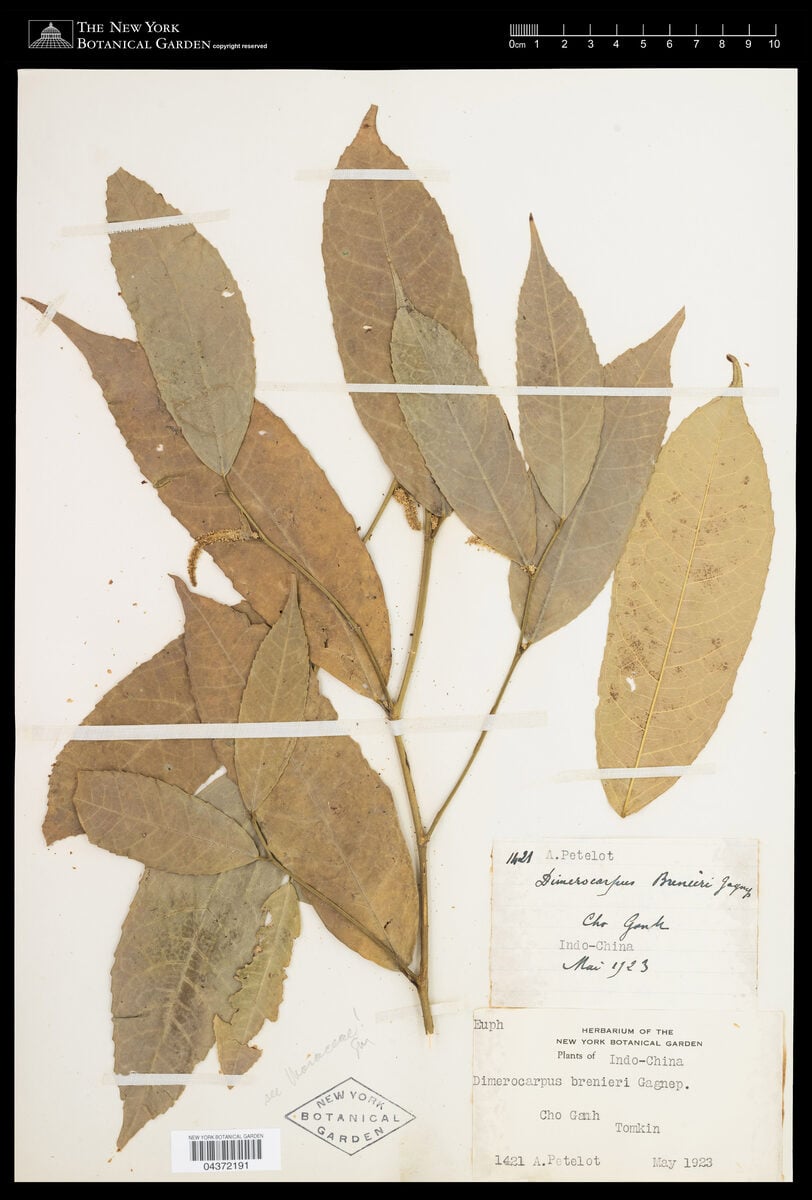
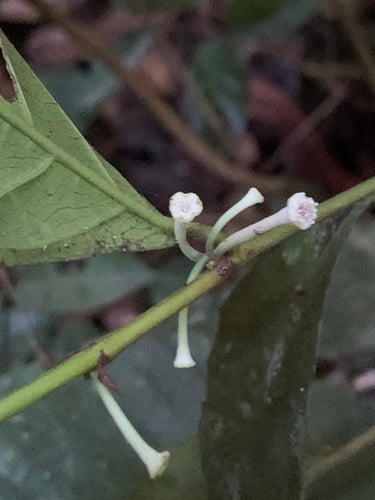
Morus rubra
L.
Red Mulberry, Common Mulberry, White Mulberry
iNaturalist· cc-by-nc
(c) kwillard, some rights reserved (CC BY-NC), uploaded by kwillard
iNaturalist· cc-by-nc-sa
(c) Todd J Benkart, some rights reserved (CC BY-NC-SA), uploaded by Todd J Benkart
iNaturalist· cc-by-sa
(c) Douglas Goldman, some rights reserved (CC BY-SA), uploaded by Douglas Goldman
Description
Morus rubra is a deciduous Tree growing to 15 m (49ft 3in) at a medium rate. See above for USDA hardiness. It is hardy to UK zone 5. It is in flower in May, and the seeds ripen from July to August. The species is dioecious (individual flowers are either male or female, but only one sex is to be found on any one plant so both male and female plants must be grown if seed is required). . The plant is not self-fertile. It is noted for attracting wildlife. Suitable for: light (sandy), medium (loamy) and heavy (clay) soils and prefers well-drained soil. Suitable pH: mildly acid, neutral and basic (mildly alkaline) soils. It can grow in semi-shade (light woodland) or no shade. It prefers moist soil.
Edible Uses
Fruit - raw, cooked or made into preserves[2, 3, 21, 62, 149, 183]. Large and sweet with a good flavour, the fruit can be up to 3cm long. The fruit can also be dried and ground into a powder. This is used to make a delicious confection with almonds and other nuts. The fruit is soft and juicy, when fully ripe it falls from the tree and is easily squashed. Unripe fruits can cause stomach disorders. Young shoots and unfolding leaves - raw or cooked. The related White Mulberry (Morus alba) has edible young leaves and shoots eaten cooked but we have found no information for this plant.
Medicinal Uses
Anthelmintic Cathartic Dysentery Febrifuge. The root bark is anthelmintic and cathartic. A tea made from the roots has been used in the treatment of weakness, difficult urination, dysentery, tapeworms and as a panacea. The sap is used in the treatment of ringworm. Another report says that the milky juice obtained from the axis of the leaf is used. The fruits are used to reduce fevers.
Known Hazards
Skin contact with the leaves or stems can cause dermatitis in some very sensitive people. The milky sap in the leaves and unripe fruits can cause dermatitis, hallucinations and central nervous system disturbances.
Distribution
Eastern N. America - Quebec to Florida, west to Texas and South Dakota.
Where It Grows
NORTHERN AMERICA: Canada, Ontario (southeast), United States, Connecticut, Indiana, Massachusetts (west), Michigan (south), New Jersey, New York, Ohio, Pennsylvania (east & south), Rhode Island (north), Vermont (south), West Virginia, Illinois, Iowa, Kansas (east & central), Minnesota (southeast), Missouri, Nebraska (east & central), Oklahoma, Wisconsin, Alabama, Arkansas, Florida, Georgia, Kentucky, Louisiana, Maryland, Mississippi, North Carolina, South Carolina, Tennessee, Virginia, District of Columbia, Texas,
Cultivation
Prefers a warm well-drained loamy soil in a sunny position. The red mulberry is sometimes cultivated for its edible fruit, there are some named varieties. It is said to be of no value as a fruiting tree in Britain. Trees come into bearing when about 10 years old, fruiting best between the ages of 30 - 85 years and declining from the age of 125 years. A good plant to grow grapes into. The grapes are difficult to pick but they always seem to be healthier and free from fungal diseases. Mulberries have brittle roots and so need to be handled with care when planting them out. Any pruning should only be carried out in the winter when the plant is fully dormant because mulberries bleed badly when cut. Ideally prune only badly placed branches and dead wood. Plants in this genus are notably resistant to honey fungus. Dioecious Male and female plants must be grown if fruit is required. Mulberries are typically harvested in late Spring to early Summer, depending on the specific variety and local climate conditions. Mulberry trees flower in Spring. Mulberry trees are considered fast-growing, often reaching heights of 6-12 meters (20-40 feet) within a few years under optimal conditions.
Propagation
The seed germinates best if given 2 - 3 months cold stratification. Sow the seed as soon as it is ripe if possible, otherwise in February in a cold frame. The seed usually germinates in the first spring, though it sometimes takes another 12 months. Prick out the seedlings into individual pots when they are large enough to handle and grow them on in the cold frame for their first winter. Plant them out in late spring or early summer after the last expected frosts. Cuttings of half-ripe wood, 7 - 10cm with a heel, July/August in a frame. Plant out in spring. A good percentage take, though they sometimes fail to thrive. Cuttings of mature wood of the current season's growth, 25 - 30cm with a heel of 2 year old wood, autumn or early spring in a cold frame or a shady bed outside. Bury the cuttings to threequarters of their depth. Layering in autumn.
Other Uses
Fibre Wood Agroforestry uses: Mulberry trees can be used for shade, erosion control, and as a forage source for livestock. The leaves are particularly valuable as food for silkworms. Additionally, they can improve soil structure and health. A cloth can be made from the fibrous bark. Wood - coarse-grained, light, very durable, not strong, soft, rather tough. It weighs about 45lb per cubic foot and is used for boats, fencing and cooperage.