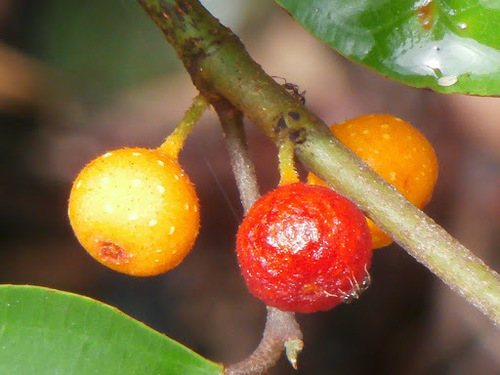
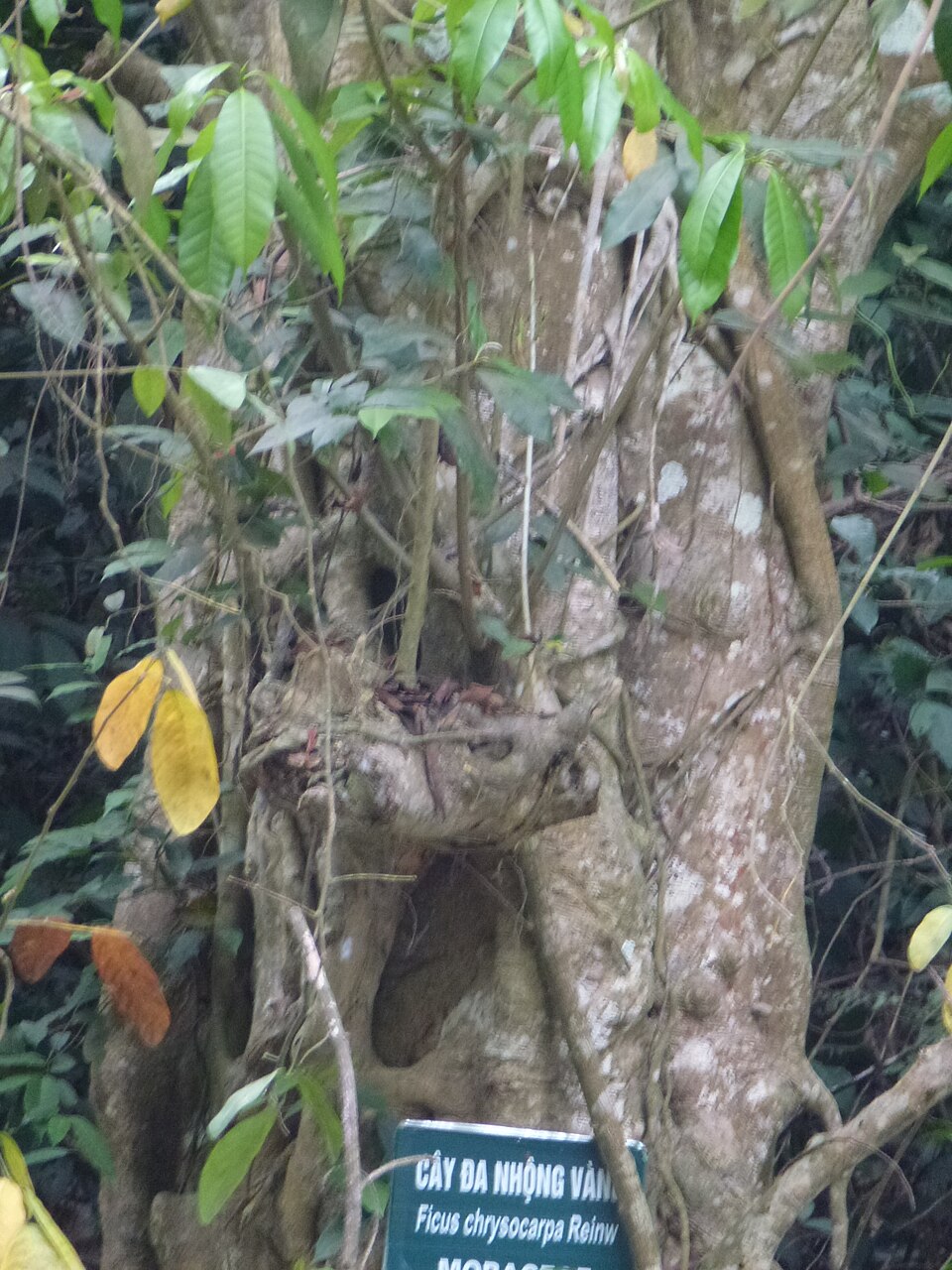
Treculia africana subsp. madagascarica
(N.E.Br.) C. C.Berg
iNaturalist· cc-by
(c) udehb, some rights reserved (CC BY)
iNaturalist· cc-by-nc
(c) International Institute of Tropical Agriculture, some rights reserved (CC BY-NC)
Summary
Source: WikipediaTreculia africana is a tree species in the genus Treculia which can be used as a food plant and for various other traditional uses. The fruit are hard and fibrous, can be the size of a volleyball and weight up to 8.5 kg (19 lb). Chimpanzees have been observed to use tools to break the fruit into small pieces that they can eat. Chimpanzees have also been observed sharing slightly alcoholic overripe breadfruit as social bonding. The fruit contain polyphenols.
Description
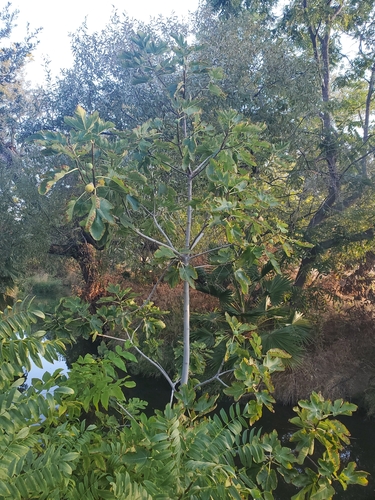
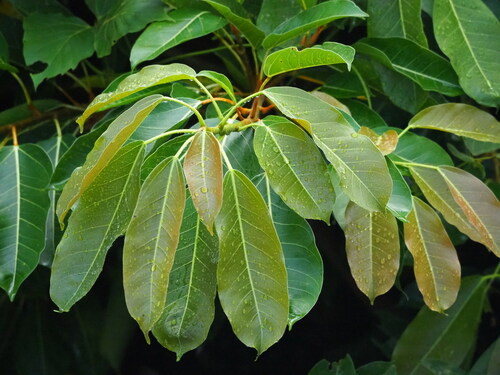
A tree.
This description is brief — help expand it
Edible Uses
African breadfruit is an edible traditional fruit, consumed, for example in Nigeria, where it is eaten as a main dish. The seeds are of particular interest because of their high nutritional value. Fresh seeds contain 38.3% carbohydrate, 17.7% crude protein, and 15.9% fat. Readily available in many developing African countries, T. africana can be an alternative to rice and yam. The seeds can be ground to flour, pressed for oil, or used as flavouring in alcoholic drinks. They can also be dry-roasted and eaten as a snack. African breadfruit is a good adjunct in brewing because it is a source of fermentable sugars.
Distribution
A tropical plant.
Where It Grows
Africa, East Africa, Madagascar,
Synonyms
Also Known As
Ampalibeala
References (2)
- Jardin, C., 1970, List of Foods Used In Africa, FAO Nutrition Information Document Series No 2.p 48
- Styger, E., et al, 1999, Indigenous fruit trees of Madagascar: potential components of agroforestry systems to improve human nutrition and restore biological diversity. Agroforestry Systems 46: 289-310