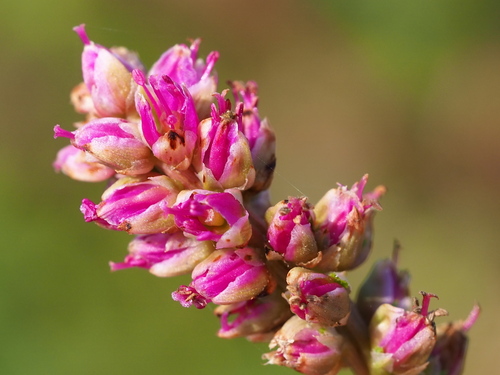
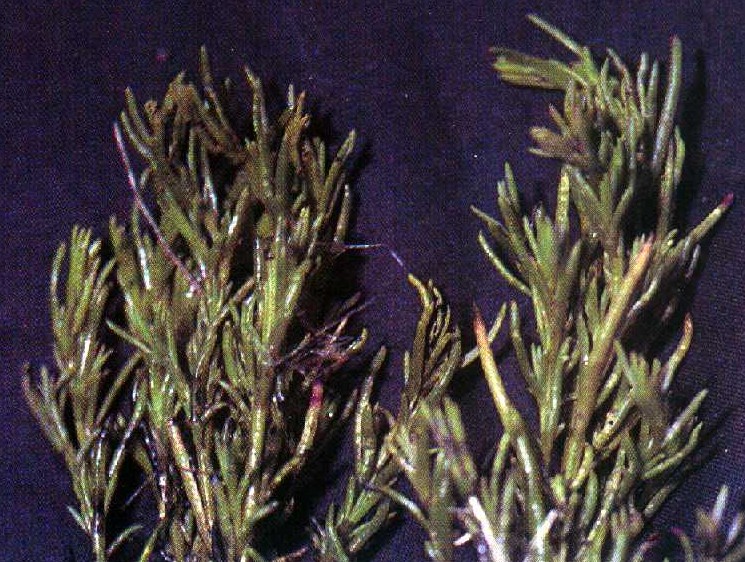
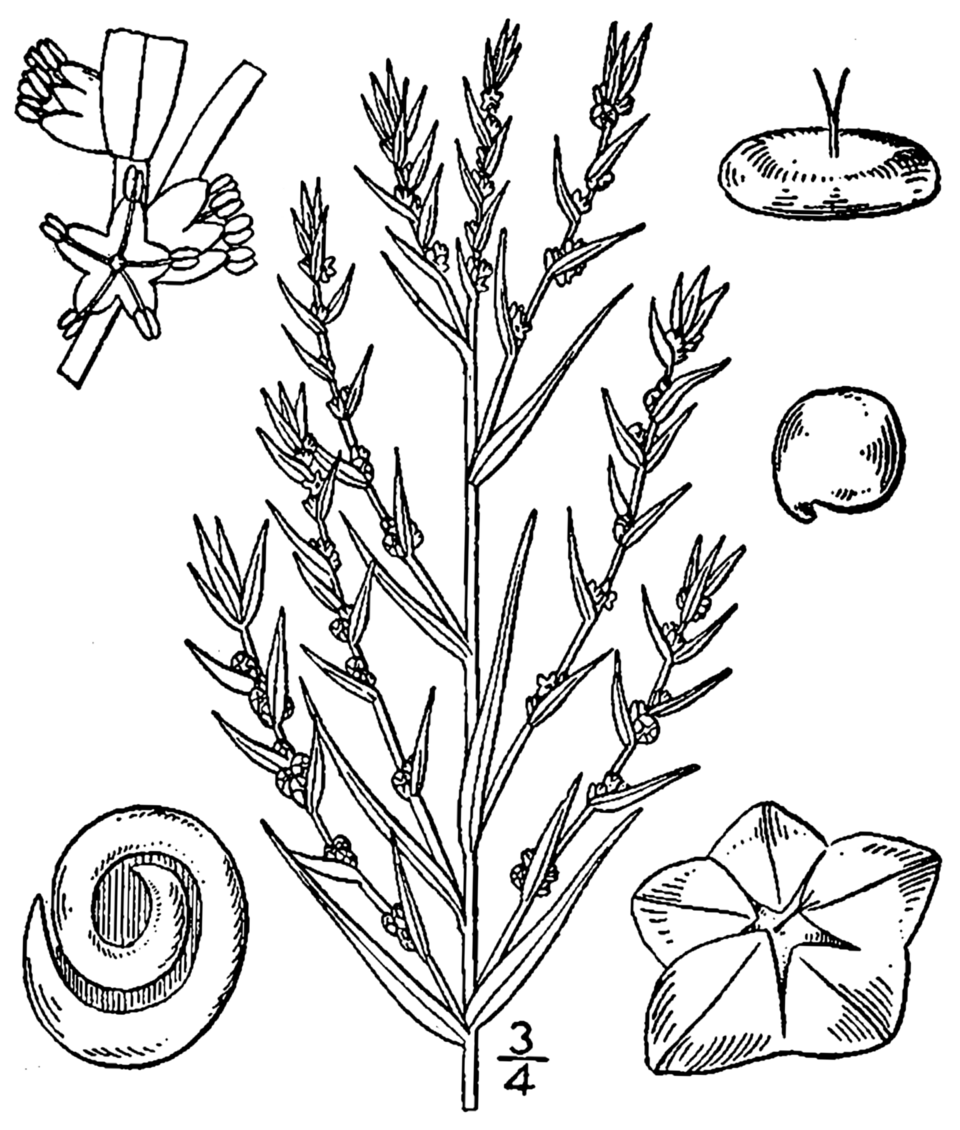
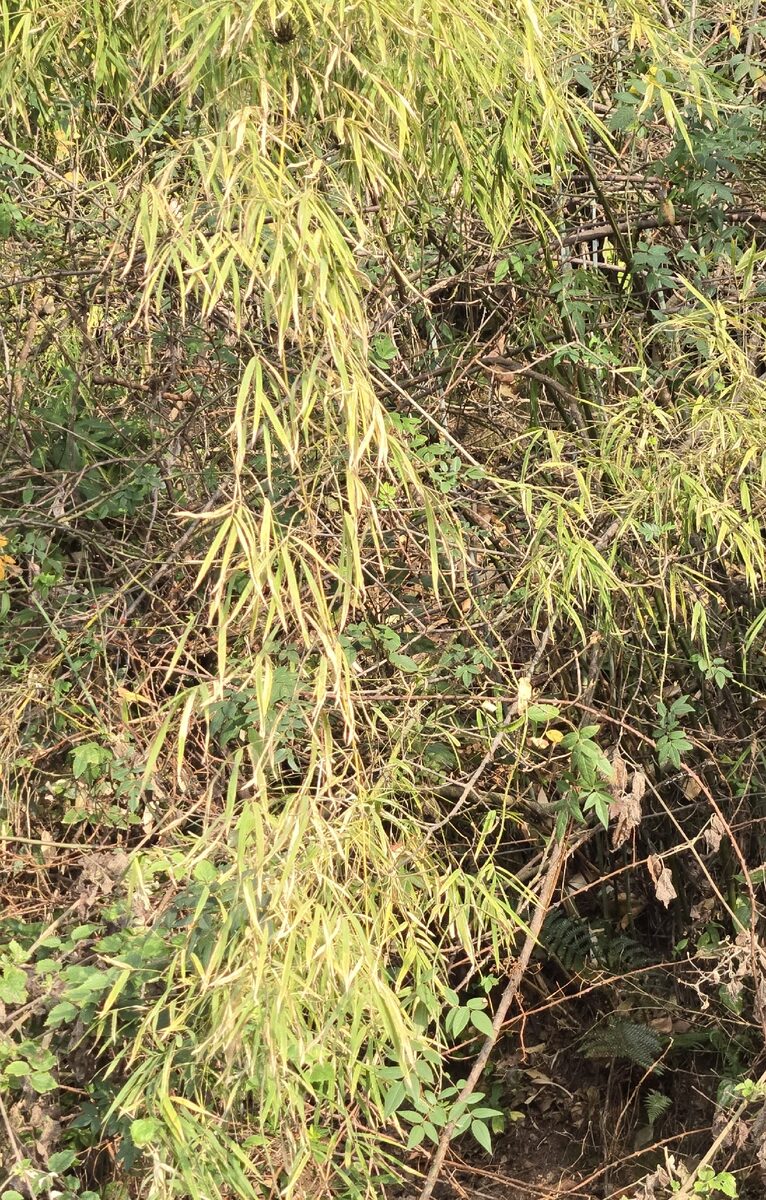
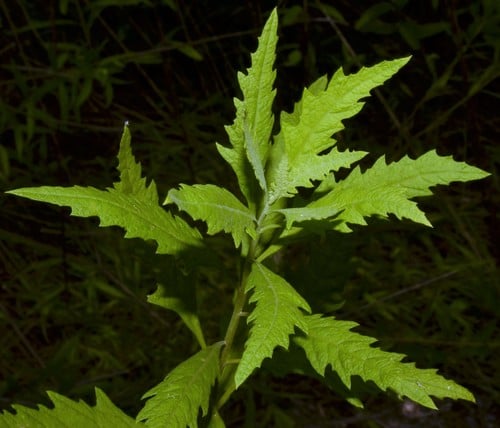
Monolepis nuttalliana - (Schult.)Greene.
(Schult.)Greene.
Poverty Weed, Nuttall's povertyweed
gbif· cc-by-nc
University of Nevada, Reno (UNR) Herbarium (RENO-V)
gbif· cc-by-nc
Arizona State University Vascular Plant Herbarium (ASU-Plants)
Description
Monolepis nuttalliana is a ANNUAL growing to 0.3 m (1ft). It is in flower from June to October, and the seeds ripen from August to October. The species is hermaphrodite (has both male and female organs) and is pollinated by Wind. Suitable for: light (sandy), medium (loamy) and heavy (clay) soils and prefers well-drained soil. Suitable pH: mildly acid, neutral and basic (mildly alkaline) soils and can grow in very alkaline and saline soils. It cannot grow in the shade. It prefers dry or moist soil and can tolerate drought.
Edible Uses
Leaves - cooked until tender. A pleasant mild flavour, they are used as greens. Root - cooked[46, 61, 105, 161, 257]. Small but with an acceptable flavour when young, the older ones are rather tough. Seed. Very small and fiddly, it is used as a piñole. The seed can also be dried, ground into a powder then mixed with water and eaten as a mush.
Medicinal Uses
PoulticeA poultice of moist leaves has been applied to skin abrasions.
Distribution
Western N. America - Manitoba to California, Texas and New Mexico.
Where It Grows
NORTHERN AMERICA: Canada (Northwest Territories, Yukon, Saskatchewan, Alberta, Manitoba, British Columbia), United States (Alaska, Kansas, Minnesota, Nebraska, North Dakota, South Dakota, Oklahoma, Colorado, Idaho, Montana, Oregon, Washington, Wyoming, New Mexico, Texas, Arizona, California, Nevada, Utah), Mexico (Baja California (Norte) (northeast), Sonora)
Cultivation
We have almost no information on this species and do not know if it will be hardy in Britain, though it should be possible to grow it as a half-hardy annual in this country. It is likely to require a well-drained soil in a sunny position.
Propagation
Seed - we have no information on this species but suggest sowing the seed in late spring in situ.