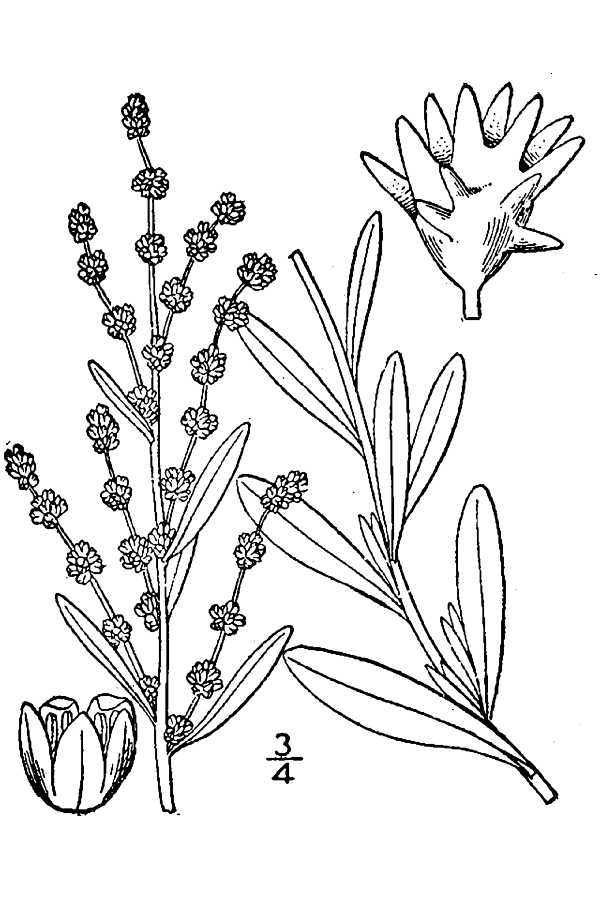
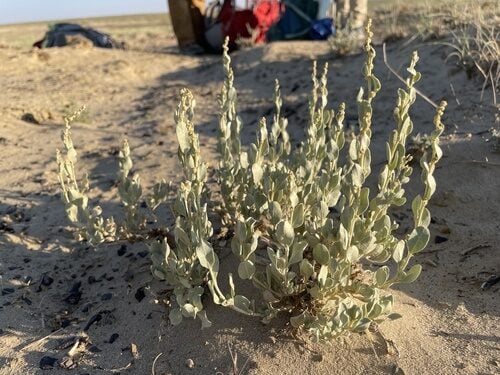
Bassia eriophora
(Schrad.) Asch. & Schweinf.
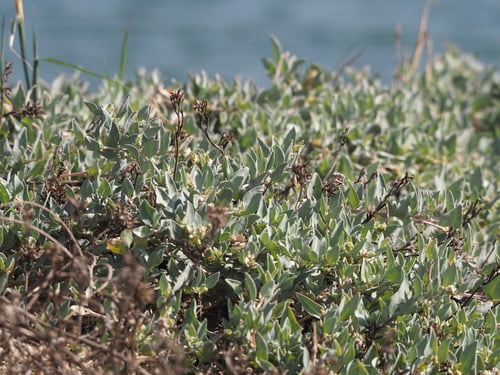
iNaturalist· cc-by-nc
(с) Shahrzad Fattahi, некоторые права защищены (CC BY-NC), загрузил Shahrzad Fattahi
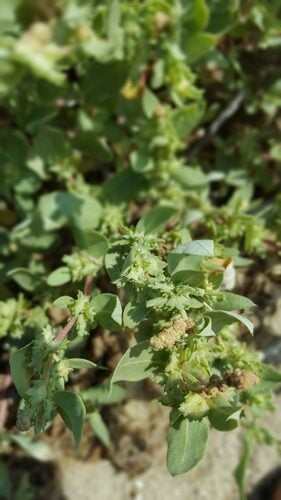
iNaturalist· cc-by-nc
(с) Mohammad Marafi, некоторые права защищены (CC BY-NC), загрузил Mohammad Marafi
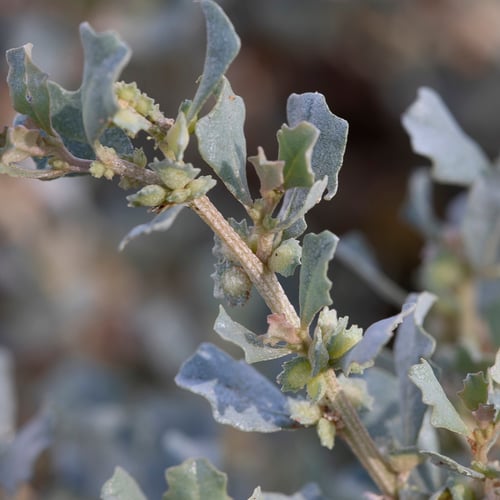
iNaturalist· cc-by-nc
(с) Mohammad Marafi, некоторые права защищены (CC BY-NC), загрузил Mohammad Marafi
Description
An annual herb in the Amaranthaceae family found in Mediterranean and arid regions.
This description is brief — help expand it
Edible Uses
Both the leaves and flowers are edible.
Distribution
A Mediterranean plant. It can grow in arid places.
Where It Grows
Afghanistan, Africa, Asia, Bahrain, Central Asia, Egypt, Iran, Iraq, Israel, Jordan, Kuwait, Mediterranean, Middle East, Nepal, North Africa, Pakistan, Saudi Arabia, Syria, Tajikistan,
Synonyms
Bassia eriantha (Fisch. & C.A. Mey.) PavlovBassia latifolia (Fresen.) Asch. & Schweinf.Chenolea eriophora Aitch. & Hemsl.?
Kochia eriophora Schrad.Kochia latifolia Fresen.Londesia eriantha Fisch. & Mey.
Also Known As
Mahuwa
References (4)
- Dangol, D. R. et al, 2017, Wild Edible Plants in Nepal. Proceedings of 2nd National Workshop on CUAOGR, 2017.
- Gautam, R. S., et al, 2022, Ethnobotanical Review of Wild Edible Plants of Nepal. Journal of Natural History Museum Volume 32, 2021-22 p 101
- Royal Botanic Gardens, Kew (1999). Survey of Economic Plants for Arid and Semi-Arid Lands (SEPASAL) database. Published on the Internet; http://www.rbgkew.org.uk/ceb/sepasal/internet [Accessed 8th April 2011]
- World Checklist of Useful Plant Species 2020. Royal Botanic Gardens, Kew