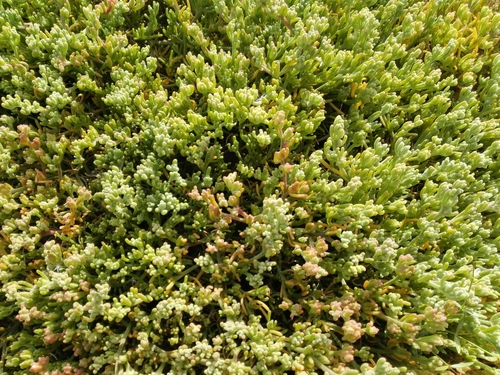
Axyris amaranthoides
Linn.
Upright axyris
iNaturalist· cc-by-nc
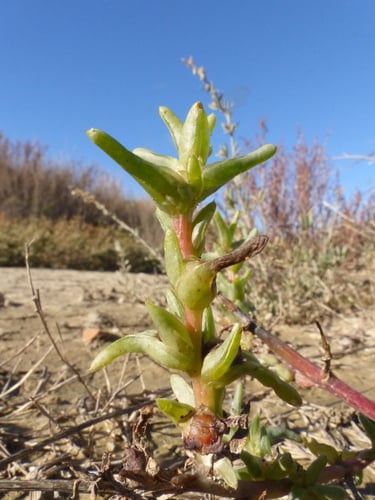
(c) Matthias Buck, some rights reserved (CC BY-NC), uploaded by Matthias Buck
iNaturalist· cc-by-nc
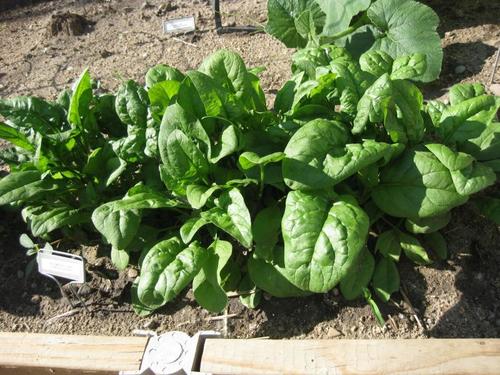
(c) Matthias Buck, some rights reserved (CC BY-NC), uploaded by Matthias Buck
iNaturalist· cc-by-nc
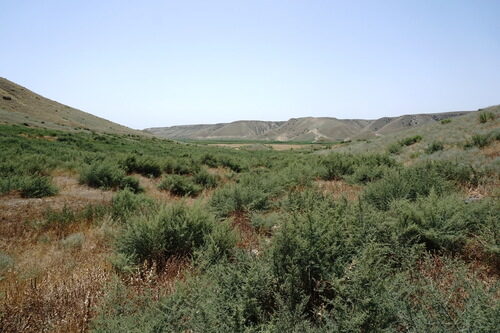
(c) Павел Голяков, some rights reserved (CC BY-NC), uploaded by Павел Голяков
Summary
Source: WikipediaAxyris amaranthoides, commonly known as Russian pigweed and upright axyris, is a species of flowering plant in the family Amaranthaceae, that has been introduced to North America. It was introduced into Manitoba in 1886 and has since spread to other provinces in Canada and the United States.
Description
An annual herb. It grows 20-80 cm high. The stems are erect and stout. Both male and female flowers are on the same plant. The stems are upright and 20-80 cm tall. The lower leaves have short leaf stalks. They are oval to pointed. The upper leaves are rounded oval shape with leaf stalks. There are teeth along the edge. The male flowers are in narrow spikes at the top and there are one or two female flowers in the leaf axils below the male flowers. The fruit are oval, red and dry.
Edible Uses
Young leaves are used as a vegetable.
Traditional Uses
Young leaves are used as a vegetable.
This uses section is brief — help expand it
Distribution
It is a temperate plant.
Where It Grows
Asia, Canada, Central Asia, China, Europe, India, Japan, Kazakhstan, Korea, Mongolia, North America, Russia, Siberia, USA,
Notes
Also put in the family Chenopodiaceae.
Synonyms
Also Known As
Inu-hokigi, Russian pigweed
References (5)
- Facciola, S., 1998, Cornucopia 2: a Source Book of Edible Plants. Kampong Publications, p 76
- Flora of China.
- Rawat, G.S., & Pangtey, Y.P.S., 1987, A Contribution to the Ethnobotany of Alpine Regions of Kumaon. J. Econ. Tax. Bot. Vol. 11 No. 1 pp 139-147
- Sp. pl. 2:979. 1753 (type species)
- Tanaka,