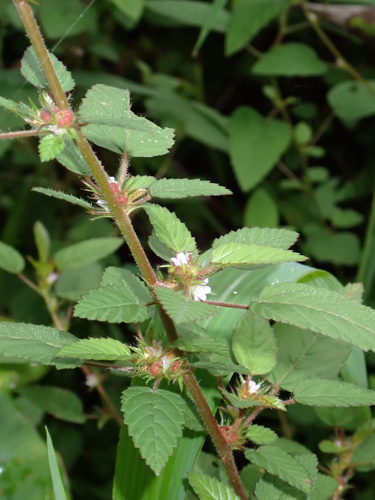
Malva mohileviensis
Donnar.
gbif· cc-by-nc
TU(B) - University of Tartu; Natural History Museum and Botanical Garden; Natural History Museum; Botanical Collections
Description
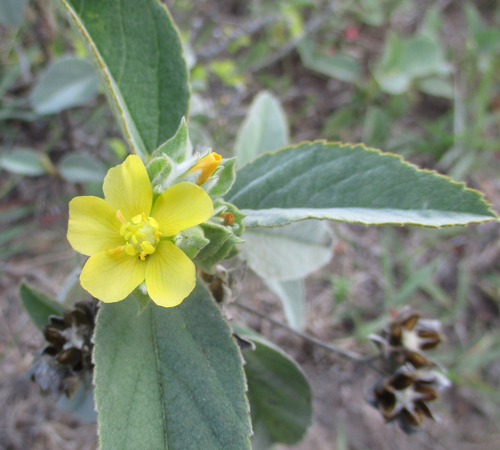
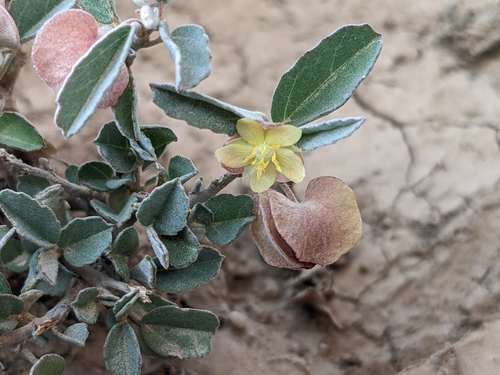
Malva mohileviensis is a ANNUAL growing to 1.2 m (4ft). The species is hermaphrodite (has both male and female organs) and is pollinated by Insects. Suitable for: light (sandy), medium (loamy) and heavy (clay) soils and prefers well-drained soil. Suitable pH: mildly acid, neutral and basic (mildly alkaline) soils. It can grow in semi-shade (light woodland) or no shade. It prefers moist soil.
Edible Uses
Oil. Leaves - raw or cooked. A mild pleasant flavour, they contain 5.5% protein. Seed - raw. Best used before it is fully mature, the seed has a pleasant nutty taste but it is rather small and fiddly to harvest.
Medicinal Uses
Diuretic. Diuretic
Known Hazards
Although we have seen no reports of toxicity for this species, when grown on nitrogen rich soils (and particularly when these are cultivated inorganically), the leaves of some species tend to concentrate high levels of nitrates in their leaves. The leaves are perfectly wholesome at all other times.
Distribution
Europe.
Where It Grows
Coming Soon
Cultivation
A very easily grown plant, succeeding in ordinary garden soil, though it prefers a reasonably well-drained and moderately fertile soil in a sunny position. This species is considered to be no more than a form of M. verticillata by some botanists. Plants seem to be immune to the predations of rabbits. Prone to infestation by rust fungus.
Propagation
Seed - sow early spring in situ. Germination should take place within 2 weeks.
Other Uses
Dye Fibre OilA fibre is obtained from the stems. It is strong but coarse. The seed contains up to 20% oil, it is used for making soap. Cream, yellow and green dyes can be obtained from the plant and the seed heads.