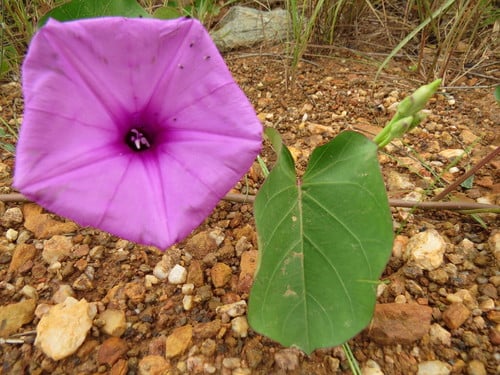
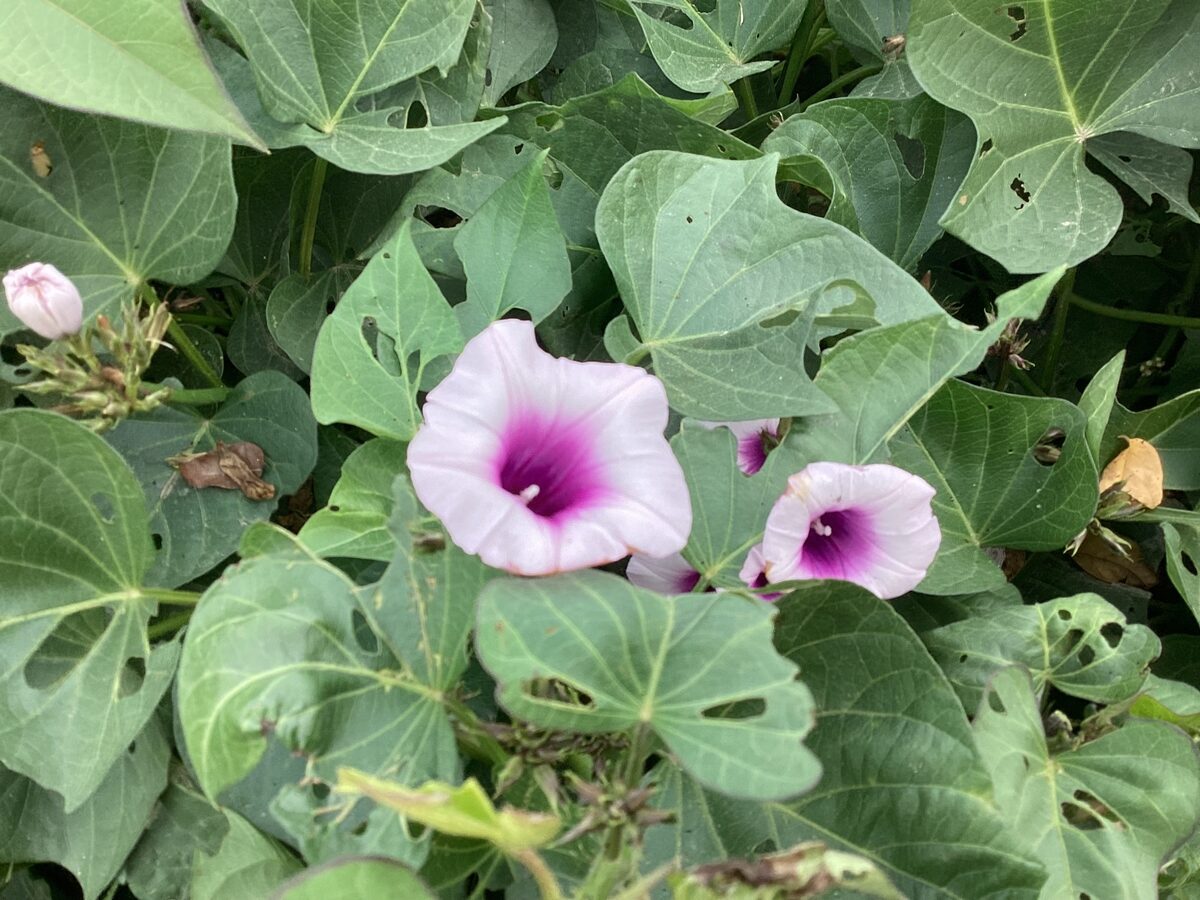
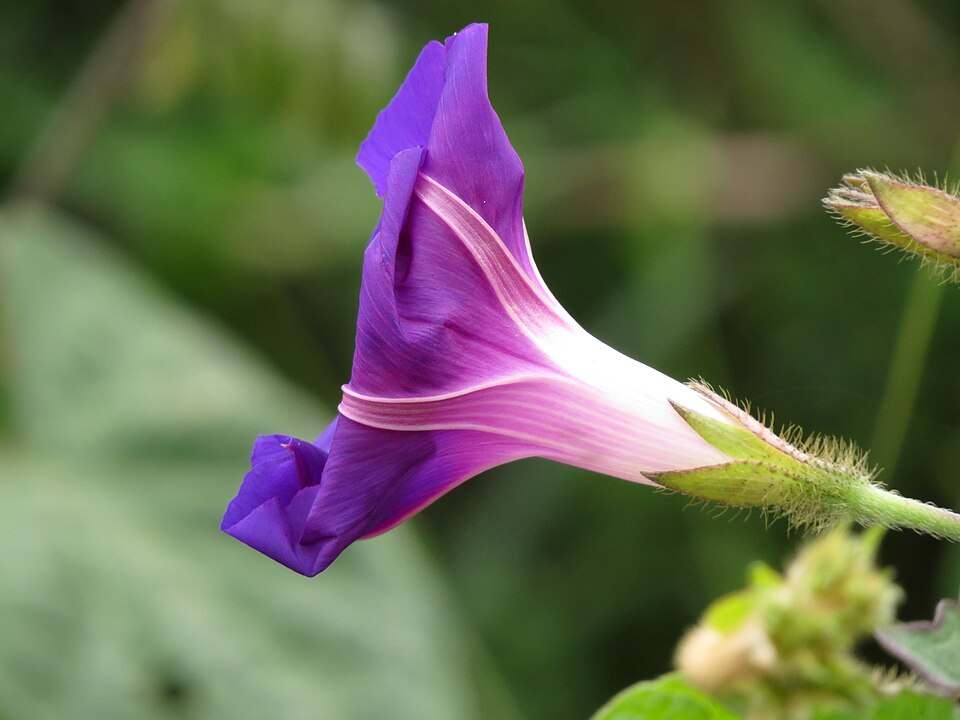
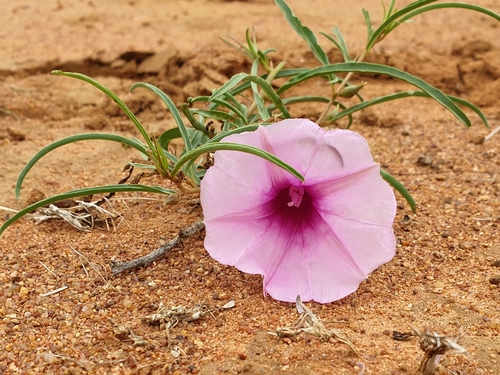
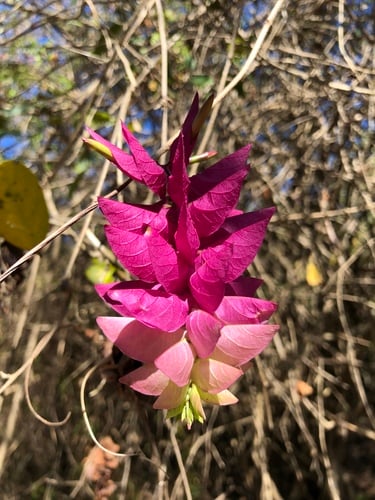
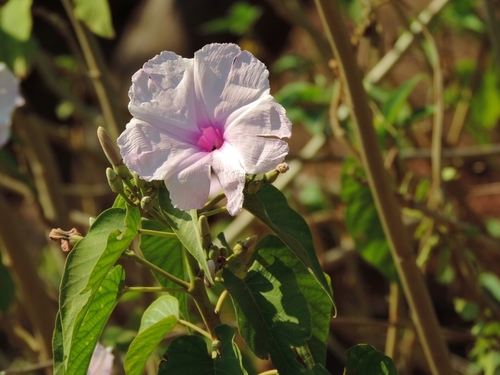
Ipomoea leptophylla
Torr.
Bush Moon Flower
iNaturalist· cc-by-nc
(c) CW Riggs, some rights reserved (CC BY-NC), uploaded by CW Riggs
iNaturalist· cc-by-nc
(c) Steven Mlodinow, some rights reserved (CC BY-NC), uploaded by Steven Mlodinow
Description
Ipomoea leptophylla is a PERENNIAL growing to 1.2 m (4ft). See above for USDA hardiness. It is hardy to UK zone 9. The species is hermaphrodite (has both male and female organs). Suitable for: light (sandy), medium (loamy) and heavy (clay) soils and prefers well-drained soil. Suitable pH: mildly acid, neutral and basic (mildly alkaline) soils. It cannot grow in the shade. It prefers moist soil.
Edible Uses
Root - raw or cooked. Crisp, sweet and tender. Some reports suggest that the root is not very nice and was only used when nothing else was available, this is probably because old roots were tried. Roots should be no more than 3 years old, preferably only 2. The roots can be up to 1.2 metres long and weigh 11 kilos. This report almost certainly refers to roots older than 3 years.
Medicinal Uses
Cardiac Miscellany Salve Stomachic. This plant was used as a cardiac stimulant by some native North American Indian tribes. An infusion of the staminate cones has been used as a stomach tonic. The root has been scraped and eaten raw as a treatment for stomach troubles. The pulverized root has been dusted onto the body as a dressing to ease pain.
Distribution
Southern N. America - South Dakota to Nebraska, Wyoming, New Mexico and Texas.
Where It Grows
NORTHERN AMERICA: United States, Kansas, Nebraska, Oklahoma, South Dakota, Colorado, Wyoming, New Mexico, Texas,
Cultivation
Requires a rich well-drained soil in a warm sunny position. Requires greenhouse protection in Britain. A plant survived 2 winters outdoors in a pot in Cornwall before succumbing to a very wet and cold winter. This does suggest that the plant is hardy enough to survive outdoors at least in the milder parts of Britain. A climbing plant, supporting itself by twining around the branches of other plants.
Propagation
Pre-soak the seed for 12 hours in warm water, or scarify the seed, and sow in individual pots in a greenhouse in early spring. The seed usually germinates in 1 - 3 weeks at 22°c. Plants are extremely resentful of root disturbance, even when they are quite small, and should be potted up almost as soon as they germinate. Grow them on in the greenhouse for at least their first winter then plant them out into their permanent positions in late spring or early summer, after the last expected frosts. Cuttings of side shoots in a peaty soil. Layering.
Other Uses
Miscellany. Some native North American Indian tribes would use the root to store fire in the days before matches. They would start a fire in the root, wrap it up and hang it outside. It was said that the fire would keep for seven months.